911 Dispatcher Assistance Significantly Boosts Bystander CPR Rates for Cardiac Arrest Victims
November 11th, 2024 1:30 PM
By: Newsworthy Staff
A new study reveals that emergency dispatcher guidance dramatically increases the likelihood of bystander CPR during cardiac arrests, potentially reducing gender disparities in lifesaving interventions. This finding highlights the critical role of 911 telecommunicators in improving cardiac arrest outcomes.
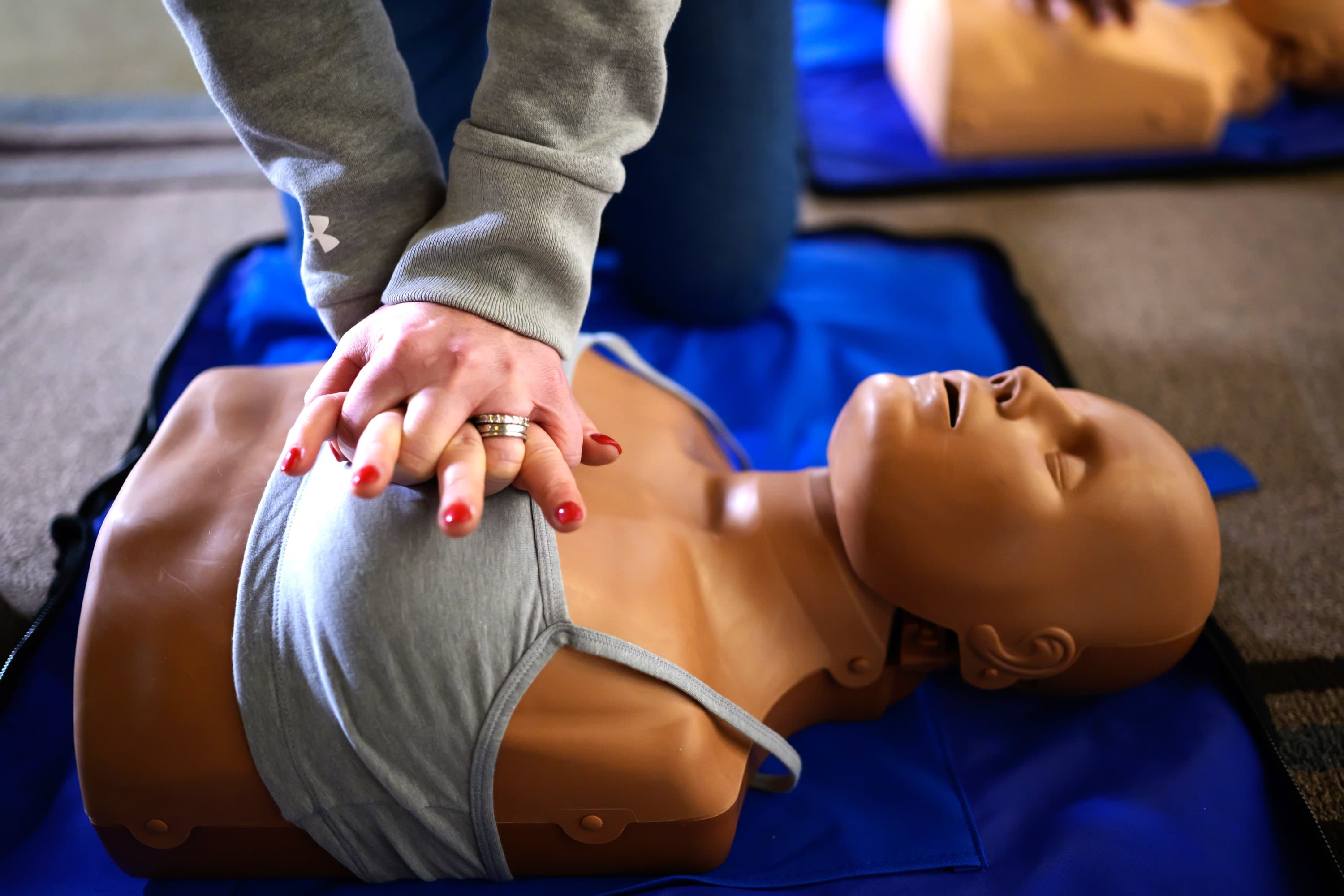
A recent study conducted in North Carolina has shed light on the crucial role of 911 dispatchers in increasing the chances of bystander cardiopulmonary resuscitation (CPR) for cardiac arrest victims. The research, set to be presented at the American Heart Association's Resuscitation Science Symposium 2024, analyzed nearly 2,400 out-of-hospital cardiac arrest cases and found that dispatcher assistance significantly improved the likelihood of bystanders performing CPR on both men and women.
The study's findings are particularly noteworthy as they address a longstanding concern in emergency medicine: the disparity in bystander CPR rates between male and female cardiac arrest victims. When telecommunicators provided CPR instructions to 911 callers, bystander CPR was performed 44% of the time on women and 40% on men. In stark contrast, without dispatcher assistance, these rates plummeted to just 9% for women and 11% for men.
Lead author Dr. Audrey Blewer, an assistant professor at Duke University, emphasized the importance of these findings, stating, "CPR can double an individual's chance of survival." The research underscores the critical role of emergency dispatchers in not only increasing overall bystander CPR rates but also in potentially reducing gender disparities in emergency cardiac care.
The study also revealed that the median time from the initial 911 call to the dispatcher recognizing the need for CPR was 87 seconds for both genders. The time to first chest compression was similarly close, at 204 seconds for women and 207 seconds for men. These findings suggest that with proper guidance, bystanders can quickly initiate lifesaving measures regardless of the victim's gender.
This research has significant implications for public health and emergency response systems. It highlights the need for continued training and support for 911 telecommunicators, who play a pivotal role in the chain of survival for cardiac arrest victims. The study also reinforces the importance of public education on the significance of immediate action in cardiac emergencies.
The impact of this research extends beyond individual survival rates. By improving bystander CPR rates and reducing gender disparities in emergency care, communities can potentially see a decrease in mortality and long-term disability rates associated with cardiac arrests. This, in turn, could lead to reduced healthcare costs and improved overall public health outcomes.
While the study was limited to North Carolina and had a relatively small sample size, its findings align with similar research conducted in other parts of the world. This consistency suggests that the benefits of dispatcher-assisted CPR could be widely applicable across different regions and healthcare systems.
As cardiac arrest remains a leading cause of death worldwide, with over 357,000 out-of-hospital cases occurring annually in the United States alone, these findings offer a promising avenue for improving survival rates. The research underscores the need for continued investment in emergency response systems and public health education to ensure that all cardiac arrest victims have an equal opportunity to receive potentially lifesaving bystander CPR.
In light of these findings, health organizations and policymakers may need to reevaluate and potentially enhance the role of emergency dispatchers in cardiac arrest response protocols. Additionally, public awareness campaigns emphasizing the importance of following dispatcher instructions during emergencies could further improve bystander CPR rates and overall cardiac arrest outcomes.
Source Statement
This news article relied primarily on a press release disributed by NewMediaWire. You can read the source press release here,