AI Integration Transforms Pharmaceutical Compliance from Retrospective Audits to Real-Time Monitoring
April 7th, 2026 2:05 PM
By: Newsworthy Staff
Pharmaceutical companies are adopting AI-driven systems to continuously monitor and optimize manufacturing processes, shifting from traditional quality systems to real-time compliance frameworks that align with evolving Good Manufacturing Practice standards.
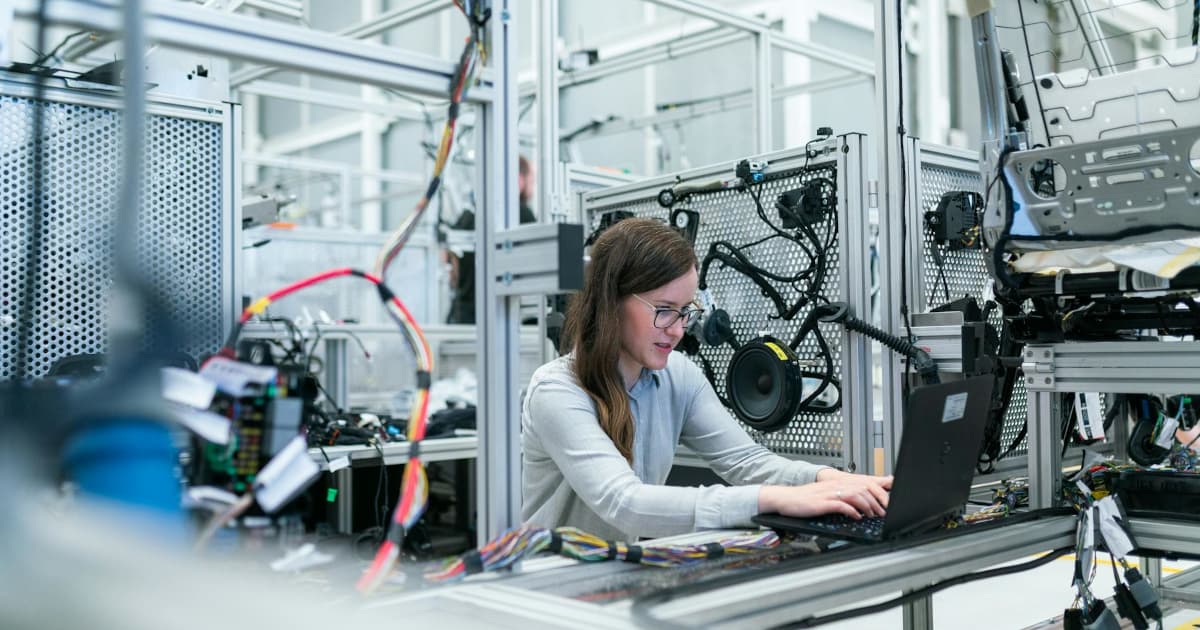
The pharmaceutical industry is undergoing a fundamental transformation in how it approaches regulatory compliance, moving from traditional quality systems that rely on retrospective audits and manual oversight toward embedding artificial intelligence directly into manufacturing operations as a real-time compliance layer. This structural shift addresses intensifying regulatory expectations and growing manufacturing complexity by enabling AI-driven systems to continuously monitor, validate, and optimize production processes to align with evolving Good Manufacturing Practice standards. Rather than identifying compliance issues after they occur, these intelligent systems provide proactive oversight throughout the manufacturing lifecycle.
This paradigm shift is increasingly visible across the industry and aligns with companies operating at the intersection of life sciences and advanced digital technologies. Oncotelic Therapeutics Inc. reflects this broader movement toward intelligent, automated compliance frameworks with its focus on AI integration. The company joins other AI-focused entities leading this transformation, including NVIDIA Corp., Amazon.com Inc., Honeywell International Inc., and Omnicell Inc., that are developing and implementing these advanced systems. The convergence of pharmaceutical manufacturing expertise with cutting-edge AI capabilities represents a significant advancement in how the industry manages quality and compliance.
The implications of this shift extend beyond operational efficiency to fundamentally changing risk management in pharmaceutical production. By embedding AI as a compliance layer, manufacturers can detect deviations from standards in real-time, predict potential quality issues before they occur, and continuously optimize processes to maintain alignment with regulatory requirements. This approach represents a departure from traditional quality systems that often rely on periodic audits and manual documentation review, which can allow compliance gaps to persist between inspections. The continuous monitoring capability of AI systems provides a more robust defense against quality failures that could impact patient safety.
As regulatory bodies worldwide continue to refine and expand GMP requirements, the ability to implement real-time compliance monitoring becomes increasingly valuable. The pharmaceutical industry faces mounting pressure to ensure product quality while managing complex global supply chains and increasingly sophisticated manufacturing technologies. AI-driven compliance systems offer a scalable solution that can adapt to evolving standards and manufacturing innovations. This technological approach enables companies to maintain compliance more consistently while potentially reducing the resource burden associated with traditional quality assurance methods.
The integration of AI into pharmaceutical manufacturing compliance represents more than just technological adoption—it signifies a reimagining of how quality is built into production processes. By moving from retrospective verification to continuous assurance, companies can create more resilient manufacturing systems that better protect patient safety while improving operational efficiency. As this trend continues to develop, it may establish new industry standards for how compliance is achieved and maintained in an increasingly complex regulatory landscape. The transition toward AI-embedded operations marks a significant evolution in pharmaceutical manufacturing quality management that could reshape industry practices for years to come.
Source Statement
This news article relied primarily on a press release disributed by InvestorBrandNetwork (IBN). You can read the source press release here,