Apple's MacBook Neo Challenges Budget Laptop Market Dynamics in Emerging Economies
March 6th, 2026 8:00 AM
By: Newsworthy Staff
Apple's new $599 MacBook Neo represents a strategic entry into price-sensitive markets, potentially reshaping competition with Chromebooks and low-cost Windows laptops while expanding Apple's ecosystem reach in regions like India, Brazil, and China.
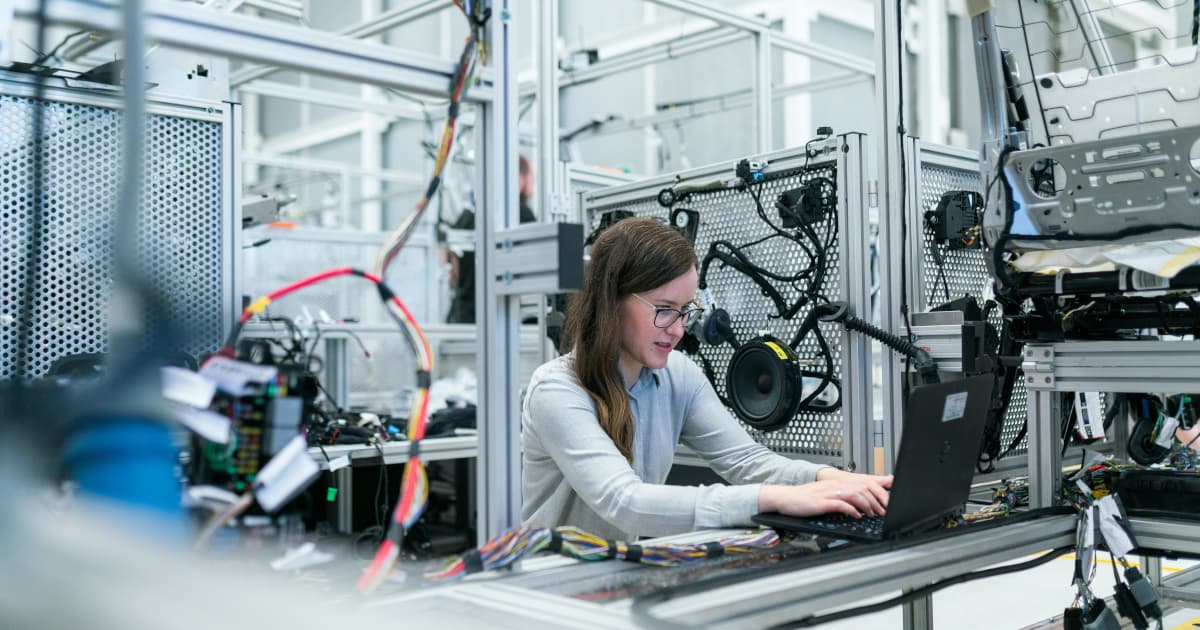
Apple's MacBook Neo, priced from $599 in the United States, brings a full macOS experience to the entry-level laptop segment traditionally led by Chromebooks and basic Windows laptops. According to AppleMagazine market analysis (https://applemagazine.com/apple-macbook-neo-sales/), this repositioning aligns with Apple's broader strategy to expand its footprint in markets where personal computing adoption continues to grow rapidly. The device combines an iPhone-derived A18 Pro chip with up to 512GB of storage, a Liquid Retina display, and long battery life, delivering performance that makes mainstream productivity, multimedia consumption, and school-age tasks feel smooth and responsive.
In India, official pricing for the MacBook Neo begins at approximately ₹69,900, placing it above some Chromebooks and entry-level Windows machines but within reach of growing middle-income segments and aspirational first-time buyers. Brazil represents another critical emerging market where the Neo's starting price around R$7,299 challenges earlier perceptions of Apple products as luxury goods too distant from average disposable incomes. According to AppleMagazine's regional pricing analysis, this price positioning makes the Neo a realistic consideration for professionals, educators, and families seeking a durable device that spans work and personal use.
Chromebooks have dominated the affordable laptop landscape for years, particularly in education and budget-oriented segments, but often rely on online connectivity and limited local processing power. MacBook Neo addresses those limitations by offering a full desktop operating system with offline capabilities, native productivity apps, and strong performance even when multiple tasks are underway. The Neo's integrated design and Apple silicon deliver consistently better responsiveness and energy efficiency compared to low-end Windows notebooks that suffer from slow storage, limited RAM, and poor battery life.
Beyond raw performance, the Neo's integration with existing Apple devices can accelerate its adoption through continuity features such as Universal Clipboard, shared iCloud storage, and synchronized notifications. This seamless transition between devices reinforces the value of choosing a Mac over a standalone laptop with fragmented services. According to AppleMagazine (https://applemagazine.com/apple-macbook-neo-sales/), buyers migrating from mobile to laptop often value coherence in their digital experience, and the Neo removes a barrier that previously existed between mobile and desktop Apple products.
Emerging economies continue to exhibit potential for increased computing adoption as households that previously bypassed personal computers in favor of mobile devices now consider laptops for education, remote work, and household connectivity. By positioning the MacBook Neo within reach of more buyers, Apple broadens its addressable market and creates opportunities for buyers to later purchase additional Apple services or accessories, contributing to longer-term revenue stability and ecosystem lock-in. The MacBook Neo does not replace higher-end MacBook Air or Pro models but creates a new entry tier that pulls buyers into macOS earlier than before.
Apple's ecosystem strategy plays a supporting role in the Neo's market impact, with macOS receiving regular updates that maintain compatibility with existing hardware, reducing perceived obsolescence risk. Hardware longevity enhances total ownership value, especially in markets where upgrade cycles are longer instead of annual, as frequently highlighted in AppleMagazine (https://applemagazine.com/apple-device-longevity/). Retail and service presence also matters, as buyers gain confidence in after-purchase support through official stores or certified service providers, while education initiatives in specific regions further reinforce momentum as digital learning tools increasingly incorporate laptops and tablets.
Source Statement
This news article relied primarily on a press release disributed by 24-7 Press Release. You can read the source press release here,