Climate Extremes Threaten Europe's Energy Transition as Drought and Heat Disrupt Power Generation
August 20th, 2026 2:05 PM
By: Newsworthy Staff
The shutdown of Hungary's Paks nuclear plant due to record-low Danube River levels highlights how climate change-induced droughts and heatwaves are complicating Europe's shift to clean energy, underscoring the need for innovative solutions.
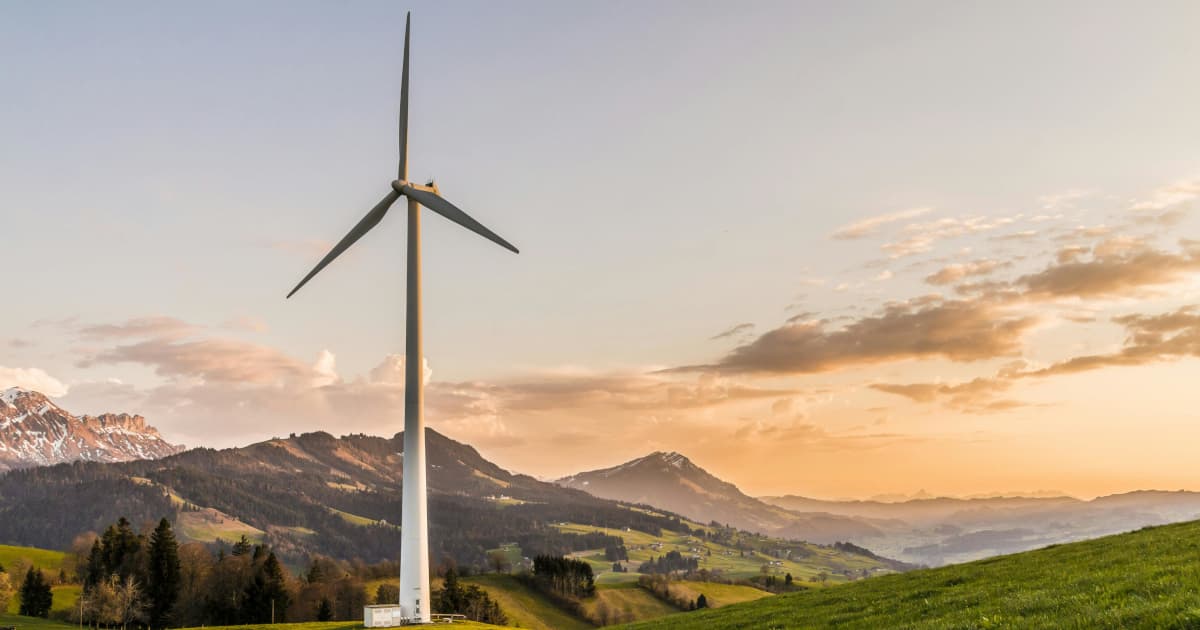
Europe's ambitious plan to transition to clean energy is facing an unexpected adversary: the very climate extremes that the transition aims to mitigate. This month, a nuclear plant in Hungary that supplies roughly half of the country's electricity went dark due to a lack of water. The Danube River, which serves as the facility's cooling source, had dropped to record-low levels after a summer of scarce rainfall and punishing heat.
The shutdown is a stark illustration of a wider problem now confronting the European continent. The same climate extremes—droughts, wildfires, and heatwaves—that clean energy is meant to prevent are making the transition harder to carry out. As adverse weather imposes additional hurdles, the resilience of energy infrastructure is being tested, and the urgency to adapt is becoming increasingly clear.
This situation is not unique to Hungary. Across Europe, nuclear and hydroelectric power plants are struggling with water scarcity and rising temperatures. In France, several nuclear reactors have had to reduce output or shut down temporarily due to high river temperatures, which make it difficult to cool the reactors without harming aquatic life. Similarly, hydroelectric generation in countries like Spain and Italy has been curtailed as reservoirs dry up. Even solar and wind power are not immune; extreme heat can reduce the efficiency of solar panels, and wildfires can damage transmission lines and other infrastructure.
The challenges highlight a paradox at the heart of the energy transition. While the goal is to reduce greenhouse gas emissions and mitigate climate change, the transition itself is vulnerable to the impacts of a changing climate. This has led to a growing recognition that energy systems must be designed to be climate-resilient, incorporating measures such as diversified energy sources, improved storage, and upgraded grids.
As attention focuses on these vulnerabilities, innovative companies are stepping up to offer solutions. For instance, Frontier as North America Inc. is working to commercialize more environmentally friendly ways to produce energy, potentially reducing dependence on water-intensive cooling and making power generation more adaptable to extreme conditions. Such innovations are crucial as Europe grapples with the dual challenge of decarbonizing its economy and ensuring energy security in a warming world.
The implications of these climate disruptions extend beyond immediate power outages. They affect energy prices, economic stability, and public support for the transition. If clean energy sources are perceived as unreliable, there may be pushback against policies aimed at phasing out fossil fuels. Therefore, building resilience into the energy system is not just a technical necessity but also a political imperative.
In response, European governments and utilities are beginning to invest in adaptation measures. These include upgrading cooling systems to use less water, developing energy storage to buffer against supply fluctuations, and expanding cross-border interconnections to share resources. However, such investments take time and capital, and the pace of change may not keep up with the accelerating impacts of climate change.
The shutdown of the Paks nuclear plant serves as a warning that the energy transition must account for the realities of a changing climate. It is a reminder that the path to a clean energy future is not linear but requires continuous innovation and adaptation. As companies like Frontier as North America Inc. push the boundaries of what is possible, the hope is that the energy systems of the future will be both clean and resilient, able to withstand the very challenges they are designed to address.
Source Statement
This news article relied primarily on a press release disributed by InvestorBrandNetwork (IBN). You can read the source press release here,