CRM-Integrated Reference Data Links Customer Proof to Pipeline
May 4th, 2026 7:35 AM
By: Newsworthy Staff
New customer reference and advocacy platforms like RO Innovation by Upland Software transform unstructured reference activity into a structured revenue driver, connecting real customer evidence to active deals to improve win rates and shorten sales cycles.
In modern B2B sales, the deciding factor in late-stage deals is rarely the quality of a sales presentation. It is the credibility of the evidence behind it. Buyers navigating complex purchasing decisions increasingly rely on proof from peer organizations to validate vendor claims. Customer references, case studies, peer reviews, and direct conversations with existing customers have shifted from late-funnel reassurance to central contributors to deal velocity and win rates.
Buyers place considerably more weight on the documented experiences of organizations similar to their own than on vendor-produced content. For sales organizations, the ability to surface the right reference, case study, or peer conversation at the right moment in a deal has become a strategic capability. Yet for most enterprises, customer reference activity remains largely unstructured. Sales teams contact customer success managers to request ad hoc reference calls. Marketing teams maintain static lists of approved references in spreadsheets. Case studies sit in content libraries, frequently outdated and rarely categorized in ways that align with active opportunities. The result is a slow, manual, relationship-dependent process that does not scale across global sales organizations.
The cost of running customer reference activity informally is rarely quantified, but it is material. A small number of reference customers absorb repeated requests, increasing the risk of burnout and churn. Strong potential references go untapped because sales teams are unaware they exist. Deals stall while reference matches take days or weeks to coordinate. The customer evidence sitting inside the business fails to reach the deals where it would have the most impact. For revenue leaders, these gaps have direct consequences: longer sales cycles, lower win rates in competitive evaluations, and unnecessary discounting in deals where credible proof could have moved the buyer to a decision.
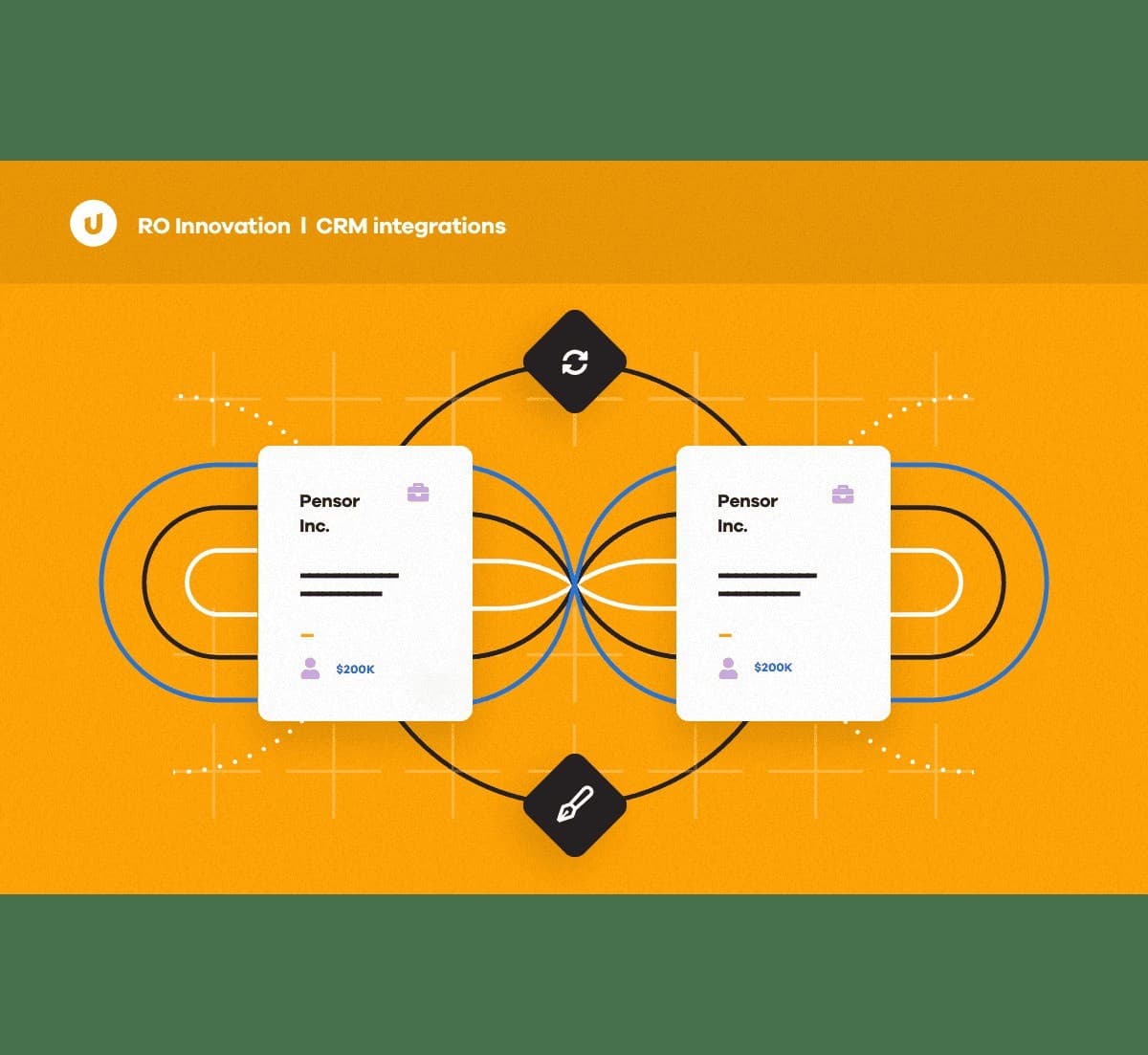
Customer reference and advocacy platforms address these gaps by transforming informal reference activity into a structured, measurable revenue program. Rather than depending on individual relationships, modern platforms maintain an organized database of reference customers, advocates, case studies, quotes, and assets searchable by industry, use case, deal size, geography, and other attributes that correspond directly to active opportunities. The capabilities that distinguish modern reference and advocacy platforms from manual programs include centralized reference and advocate management with usage tracking and load balancing, intelligent matching that aligns reference assets to active opportunities, integration with CRM systems so reference activity is visible within the deals it supports, programmatic management of advocacy activities such as case studies, peer reviews, and speaking engagements, and analytics that connect reference engagement to pipeline progression and win rates.
RO Innovation operates within this category as a customer reference and advocacy platform built for enterprises that need to operationalize customer voice across complex, high-value sales motions. For organizations in industries where buying decisions involve formal evaluations, procurement oversight, and committee-level approvals, the role of customer voice in the sales process has grown considerably. Software, financial services, life sciences, manufacturing, and professional services all share a common dynamic: customers tend to buy from vendors whose existing customers can credibly speak to outcomes relevant to their own situation. Reference and advocacy platforms make that dynamic manageable at scale rather than leaving it dependent on individual relationships.
As marketing and sales teams adopt AI-powered content generation, intelligent recommendations, and predictive deal intelligence, well-organized customer evidence becomes a more valuable foundation. AI tools produce more relevant results when grounded in current, governed, real customer outcomes—precisely what modern reference and advocacy platforms are structured to provide. For revenue organizations reconsidering how they convert customer success into competitive advantage, the opportunity extends beyond producing more case studies. It involves building an always-on advocacy engine that delivers the right proof to the right buyer at the right point in the deal. To learn more about RO Innovation and how customer reference and advocacy software supports modern enterprise sales, visit RO Innovation by Upland Software.
Source Statement
This news article relied primarily on a press release disributed by Press Services. You can read the source press release here,