Digital Lending Market Set to Reach $795 Billion by 2029, ROSHI Report Reveals
October 7th, 2024 7:00 AM
By: Newsworthy Staff
A new report from ROSHI projects significant growth in the digital lending market, with AI-powered models, peer-to-peer lending, and decentralized finance driving major expansion. The findings indicate a transformative shift in financial services that could reshape lending practices globally.
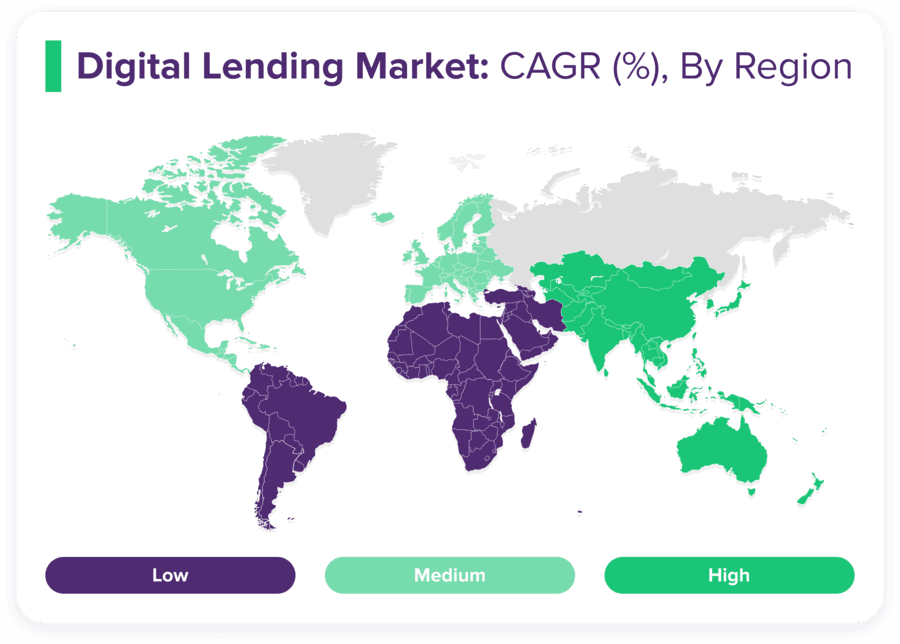
The digital lending landscape is poised for explosive growth, according to a comprehensive report released by Singapore-based fintech company ROSHI. The study projects that the digital lending platforms market will reach a staggering $795.34 billion by 2029, growing at a compound annual growth rate (CAGR) of 11.90%. This forecast underscores the rapid transformation of the financial services sector and highlights the increasing importance of digital solutions in the lending industry.
One of the key drivers of this growth is the adoption of artificial intelligence in lending models. The report suggests that AI-powered systems could enhance credit risk assessment, potentially improving performance by 10-15% compared to traditional models. This advancement could lead to more accurate lending decisions and expanded access to credit for consumers and businesses alike.
Peer-to-peer (P2P) lending is another area expected to see substantial expansion. The global P2P lending market is projected to surpass $705.81 billion by 2030, with a CAGR of 26.7% from 2022 to 2030. This growth reflects the increasing popularity of alternative lending platforms that connect borrowers directly with lenders, often offering more competitive rates and flexible terms than traditional financial institutions.
Decentralized Finance (DeFi) emerges as a major trend in the report, with the market valued at $13.61 billion in 2022 and expected to grow at an impressive CAGR of 46.0% from 2023 to 2030. This rapid expansion of DeFi platforms indicates a growing interest in blockchain-based financial services that operate without traditional intermediaries.
The report also highlights the influence of open banking, noting that by January 2024, 13% of digitally active consumers in key European markets were using open banking services. This trend suggests a shift towards more transparent and interconnected financial ecosystems, potentially leading to innovative lending products and services.
ROSHI Founder and CEO Amir Nada emphasized the significance of these findings, stating, "Our report shows staggering growth across the digital lending sector. With the peer-to-peer market approaching $706 billion by 2030 and DeFi expanding at 46% annually, we're witnessing a seismic shift in financial services."
The implications of this growth are far-reaching. For consumers, the expansion of digital lending platforms could mean increased access to credit, potentially at more competitive rates. Businesses may find new opportunities to secure funding outside of traditional banking channels. Financial institutions will likely face pressure to innovate and adapt their lending practices to remain competitive in an increasingly digital landscape.
However, the report also points to challenges ahead, including regulatory hurdles that the industry must navigate. As digital lending platforms grow in size and influence, policymakers will need to balance fostering innovation with protecting consumers and maintaining financial stability.
The study also explores emerging trends such as the rise of green loans and the impact of personalization on lending practices. These developments suggest that the future of lending will not only be digital but also more tailored to individual needs and environmental considerations.
As the digital lending market continues its rapid expansion, it has the potential to reshape the global financial landscape. The projected growth to nearly $800 billion by 2029 represents not just a shift in how loans are originated and processed, but a fundamental change in how individuals and businesses access and use financial services. This transformation could lead to more inclusive financial systems and drive economic growth by facilitating easier access to capital for a broader range of borrowers.
Source Statement
This news article relied primarily on a press release disributed by 24-7 Press Release. You can read the source press release here,