Dr. Virginia Howard Honored with 2024 Population Research Prize for Groundbreaking Stroke Studies
November 6th, 2024 2:00 PM
By: Newsworthy Staff
Dr. Virginia Howard of UAB will receive the 2024 Population Research Prize at the American Heart Association's Scientific Sessions for her significant contributions to stroke research, particularly in understanding disparities and risk factors across different populations.
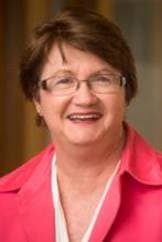
Dr. Virginia J. Howard, a distinguished professor at the University of Alabama at Birmingham (UAB), has been selected to receive the prestigious 2024 Population Research Prize at the American Heart Association's Scientific Sessions. This recognition comes as a result of her extensive research on stroke disparities and risk factors, which has significantly advanced our understanding of cardiovascular health across diverse populations.
Dr. Howard's work, spanning over three decades, has been instrumental in uncovering critical insights into stroke epidemiology. Her research has particularly focused on the long-term factors contributing to the unequal burden of stroke among different racial groups and geographic regions in the United States. As the lead stroke epidemiologist for the REasons for Geographic And Racial Differences in Stroke (REGARDS) study, Dr. Howard has been at the forefront of investigating why Black adults and residents of the southeastern U.S. 'Stroke Belt' experience higher rates of stroke mortality.
One of Dr. Howard's most significant findings, published in 2013, revealed that living in the Stroke Belt during one's teenage years was associated with a higher risk of stroke later in life. This discovery highlighted the importance of early life exposures in determining long-term health outcomes. Furthermore, her 2020 research suggested that childhood and young adult residence in the Stroke Belt might be linked to increased risks of cognitive impairment in later life, regardless of subsequent relocation.
The implications of Dr. Howard's research extend beyond academic circles, potentially influencing public health policies and interventions. By identifying critical periods in life where stroke risk factors may have the most significant impact, her work paves the way for more targeted and effective prevention strategies. This could lead to improved public health initiatives aimed at reducing stroke incidence and cognitive decline, particularly in high-risk populations.
Dr. Howard's contributions to the field are not limited to the REGARDS study. She has played a crucial role in several major stroke prevention clinical trials, including the ongoing Carotid Revascularization and Medical Management for Asymptomatic Carotid Stenosis Trials (CREST-2) and the Coordinated, Collaborative, Comprehensive, Family-Based Integrated, and Technology-Enabled Care (C3FIT) trial. These studies are exploring innovative approaches to stroke prevention and post-stroke care, which could significantly impact patient outcomes and healthcare practices.
The recognition of Dr. Howard's work by the American Heart Association underscores the importance of population-based research in addressing health disparities. Her findings on how factors such as race, sex, and geographic location influence stroke risk have the potential to inform more personalized and effective prevention strategies. This could lead to earlier interventions at both the community and individual levels, potentially reducing the overall burden of stroke and its associated cognitive impairments.
As the author of over 450 peer-reviewed journal articles and a member of editorial boards for prestigious medical journals, Dr. Howard's influence extends across the scientific community. Her work not only contributes to the body of knowledge on stroke but also helps shape the direction of future research in the field. The Population Research Prize acknowledges the far-reaching impact of her studies and their potential to improve public health outcomes.
Dr. Howard's recognition comes at a critical time when health equity is at the forefront of medical research and public health initiatives. Her work exemplifies how rigorous scientific inquiry can shed light on complex health disparities and guide efforts to address them. As the medical community continues to grapple with issues of health equity, Dr. Howard's research provides a valuable framework for understanding and tackling the multifaceted challenges of stroke prevention and treatment across diverse populations.
Source Statement
This news article relied primarily on a press release disributed by NewMediaWire. You can read the source press release here,