Fall Learning Activities That Reinforce IEP Goals for Students
October 31st, 2025 8:00 AM
By: Newsworthy Staff
Seasonal fall activities provide meaningful opportunities for students with Individualized Education Programs to practice academic, social, and behavioral skills in engaging, real-world contexts that support measurable progress toward their educational goals.
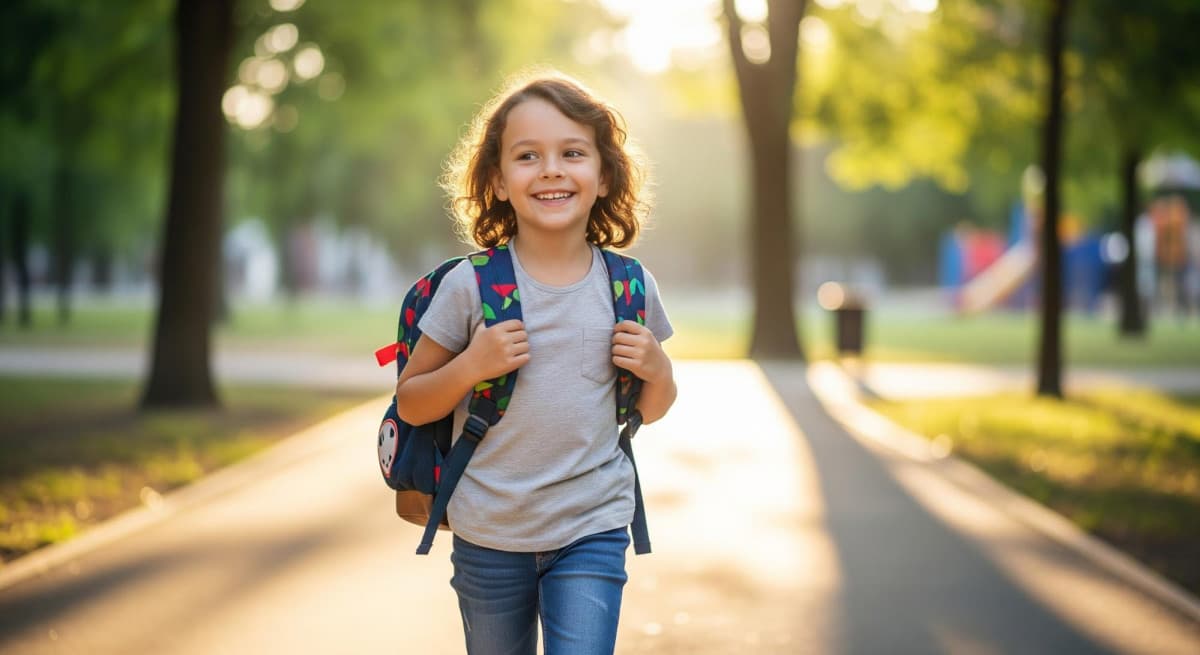
Autumn brings a burst of color, cooler air, and endless learning opportunities for children of all abilities. For students with Individualized Education Programs (IEPs), the season can be a perfect time to connect academic goals with hands-on experiences. Leaves, pumpkins, apples, and even falling temperatures become teaching tools – helping students master math, reading, sensory, and social-emotional skills in real-world ways. Whether at home or in the classroom, integrating fall-themed learning supports both engagement and progress toward IEP goals.
Children learn best when lessons feel relevant, engaging, and concrete. Seasonal themes like fall offer natural motivation and multi-sensory experiences – perfect for reinforcing IEP goals. Math goals can come alive through counting leaves, weighing pumpkins, or measuring ingredients for apple crisp. Reading and writing goals can be practiced with fall poems, nature journals, or sensory word games. Social-emotional goals can be strengthened through group art projects, outdoor teamwork, or community service. These small, structured activities give students the chance to practice skills in new contexts – building confidence, independence, and carryover into everyday life.
For reading and literacy development, autumn offers a treasure trove of sensory-rich reading experiences. Fall story time hunts using picture books about the season allow for comprehension-building questions. Nature word sorts using collected fall items like leaves, acorns, and pinecones help connect vocabulary with real objects. Sequencing stories based on fall walks helps strengthen reading comprehension and recall. Students working toward IEP goals for reading fluency or comprehension can make rapid progress when stories connect to the real world and their interests.
Writing and fine motor skills development can be supported through creative fall activities. Leaf rubbing journals combine art with labeling and sentence writing. Pumpkin poetry encourages brainstorming fall-themed words to create short poems that reinforce sentence structure and expressive language. Recipe writing for simple fall treats like apple cider or trail mix builds sequencing and handwriting skills. Parents tracking IEP progress at home can use these hands-on projects to document how skills are transferring beyond the classroom. For guidance on how to monitor and record that growth, visit Special Education Resource’s IEP progress tracking page.
Math and problem-solving skills become tangible through fall activities that help students see, touch, and manipulate mathematical concepts. Pumpkin patch math uses mini pumpkins for counting, grouping, or simple addition and subtraction. Apple graphing activities reinforce data collection and interpretation skills by tasting different types of apples and graphing preferences. Measuring fall objects like leaf lengths, pumpkin circumferences, or acorn weights connects hands-on exploration with math goals. These exercises strengthen numeracy, logic, and reasoning while also encouraging communication about results – supporting both academic and social growth.
Speech, language, and social skills development benefit from fall's sensory appeal. Sensory storytelling encourages children to describe how fall looks, feels, smells, and sounds, building expressive vocabulary and supporting IEP communication goals. Team leaf art projects pair students to create collages from natural materials, practicing turn-taking and sharing to reinforce social cooperation. Scavenger hunts with verbal or picture-based clues encourage following directions and comprehension. By using seasonal contexts, speech and language learning becomes both natural and fun, making significant differences in meeting IEP targets.
Behavior, focus, and emotional regulation can be supported through fall's slower pace and calming colors. Sensory walks encourage quiet observation of colors, sounds, and textures, helping students regulate energy and reduce anxiety. Gratitude trees have students write or draw thankful thoughts on paper leaves daily, supporting emotional expression and perspective-taking. Routine transitions become easier with visual schedules or social stories to help students anticipate new environments or activities as seasons change. These activities reinforce self-awareness and coping strategies, which are essential components of many behavioral and social IEP goals.
Not every activity fits every student, but nearly all can be modified by matching the complexity of the task to the student's current skill level. For younger learners, directions should be kept simple with visuals and hands-on participation emphasized. Older students benefit from built-in choice and self-direction opportunities like designing fall science experiments or planning class events. Students with sensory sensitivities need options to touch, smell, or observe from a distance, engaging in ways that feel safe and comfortable. This flexibility aligns with Universal Design for Learning principles and mirrors individualized strategies outlined in most IEPs.
Source Statement
This news article relied primarily on a press release disributed by Press Services. You can read the source press release here,