Galveston's $100M Cruise Terminal and 9M Visitors Drive Tourism Economy While City Battles Sea-Level Rise
February 24th, 2026 1:10 PM
By: Newsworthy Staff
Galveston, Texas is investing $100 million in a new cruise terminal expansion that will make it the fourth-largest cruise port in the U.S. while simultaneously implementing critical infrastructure measures to combat increasing sea-level rise and flooding threats on the barrier island.
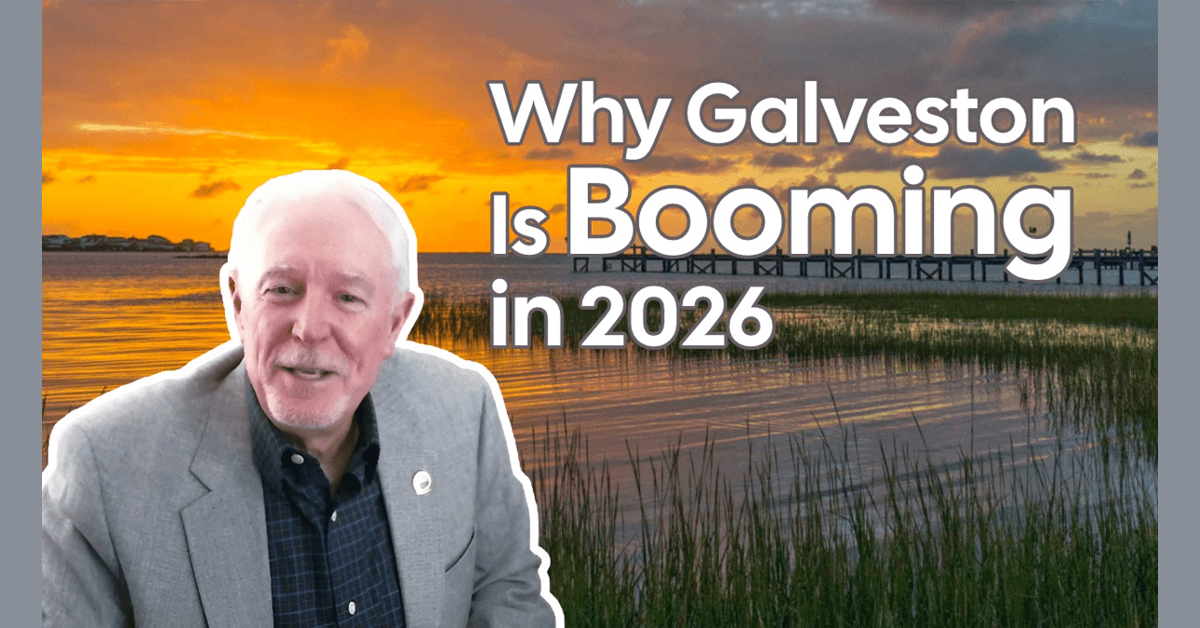
Galveston's cruise industry is expanding with a new $100 million terminal, part of a strategic growth plan that positions the city as the fourth-largest cruise port in the U.S. The expansion supports an expected 2 million cruise passengers in 2026, contributing to an overall annual visitor count of 9 million people—making tourism the city's primary economic driver. Mayor Craig Brown emphasized this economic reality, stating, "Tourism is really our number one economic engine. We're a city of 53,000 people, but we'll have close to 9 million visitors this year." This massive influx of visitors represents a significant economic opportunity but also presents infrastructure challenges for the coastal community.
As a barrier island, Galveston faces escalating threats from sea-level rise, high tides, and stormwater flooding. The city is implementing a stormwater master plan and investing in advanced pump stations to address "nuisance flooding" that now occurs even on sunny days. Brown explained the city's approach, stating, "The future of our island from a flooding standpoint is pumps. We're putting emphasis on developing pump stations to help drain water in different areas." This infrastructure investment is critical for protecting both residents and the tourism economy that depends on accessible beaches, attractions, and cruise facilities.
The city's educational ecosystem plays a vital role in supporting long-term economic resilience. Institutions including Texas A&M University at Galveston, the University of Texas Medical Branch, and Galveston College help retain graduates in key sectors like healthcare, maritime sciences, and port operations. This talent pipeline supports the cruise industry expansion and other economic sectors while providing a skilled workforce to address complex challenges like sea-level rise adaptation. The educational institutions create a foundation for sustainable growth beyond tourism alone.
Galveston's dual focus on economic expansion through tourism and infrastructure investment for climate resilience represents a balancing act common to coastal communities. The cruise terminal expansion at https://buildingtexasshow.com demonstrates confidence in the city's future despite environmental challenges. Meanwhile, the stormwater management investments address immediate flooding concerns while planning for long-term sea-level rise. This comprehensive approach acknowledges that economic success depends on environmental stability, particularly for a barrier island community where tourism and maritime industries dominate the local economy.
The city's strategy highlights how coastal communities can pursue economic growth while addressing climate-related threats. By investing in both tourism infrastructure and flood protection systems, Galveston aims to maintain its appeal to visitors while ensuring resident safety and business continuity. The educational institutions provide additional stability by creating employment opportunities outside the tourism sector and developing expertise in fields relevant to the city's geographic and economic context. This multi-pronged approach represents a model for other coastal cities facing similar challenges of balancing development with environmental resilience.
Source Statement
This news article relied primarily on a press release disributed by Newsworthy.ai. You can read the source press release here,