Global Outcry Over South Korean Government's Cancellation of Major Religious Event
December 6th, 2024 8:00 AM
By: Newsworthy Staff
A joint statement signed by over 1,700 global organizations and individuals condemns the South Korean government's last-minute cancellation of an international religious event, raising concerns about religious freedom and administrative overreach.
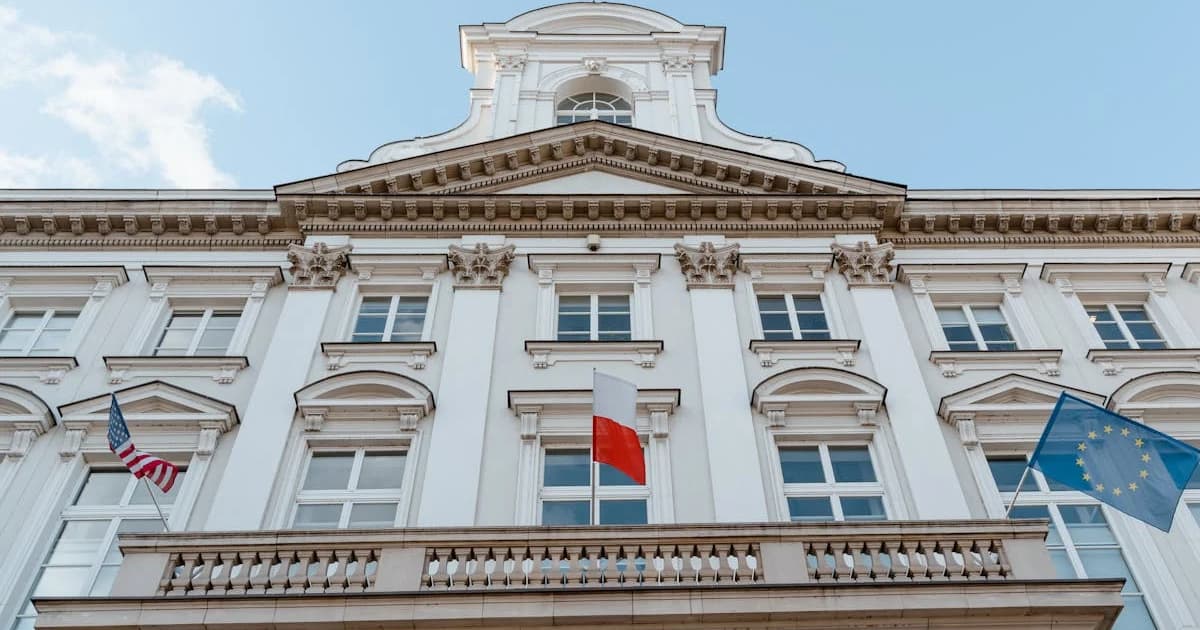
A decision by South Korean authorities to cancel a major international religious event has sparked widespread condemnation and raised serious questions about religious freedom in the country. On November 27, a coalition of religious leaders and opinion makers from around the world delivered a joint protest statement to the South Korean government, decrying the October 29 cancellation of a venue rental for the "Religious Leaders Forum and Graduation Ceremony" as an act of biased religious oppression through public power.
The event, organized by two prominent religious organizations, was set to take place in Paju, South Korea on October 30. It was expected to draw over 30,000 participants from 78 countries, including 1,000 religious leaders representing various faiths such as Christianity, Buddhism, Islam, and Hinduism. However, the Gyeonggi Tourism Organization (GTO), a public entity under Gyeonggi Province, abruptly cancelled the venue rental at 11 pm on the day before the event, when preparations were already underway.
The joint statement, signed by 402 organizations, 758 religious representatives, and 977 individuals from across the globe, emphasizes the psychological and financial damage caused to international participants. It also highlights the need for accountability and argues that the cancellation constitutes an unconstitutional act of discrimination against a specific religion, violating religious freedom, human rights, and due process of law.
The controversy surrounding this cancellation has significant implications for South Korea's international reputation and its commitment to religious freedom. The first clause of Article 20 of the South Korean Constitution guarantees freedom of religion for all citizens, making this incident particularly concerning for human rights advocates and religious communities worldwide.
The joint protest statement demands an official apology from the Gyeonggi Provincial Government and the Gyeonggi Tourism Organization to both domestic and international religious organizations and the global community. It also calls for appropriate disciplinary actions against the officials responsible for handling this matter and for strengthening fair and transparent venue reservation procedures and preliminary consultation systems.
This incident has drawn attention from global leaders, including international law experts, religious leaders, education experts, heads of organizations, and journalists from around the world. Over 88 such leaders have sent official documents and protest letters to the Republic of Korea, expressing shock and disappointment at the administrative action and demanding prompt and appropriate measures.
The cancellation's timing and circumstances have raised suspicions about potential external pressures influencing the decision. Organizers allege that pressure from opposing groups, including vested religious interests, may have played a role in the cancellation. This claim is supported by the fact that a rally urging the cancellation of the venue rental was hosted by a Christian council just a day before the event was due to take place.
The controversy has also highlighted potential inconsistencies in the government's approach to security concerns. While officials cited security issues related to recent North Korean actions as a reason for the cancellation, other events in the same area proceeded without disruption both before and after the cancelled religious event.
As the situation continues to unfold, it serves as a reminder of the delicate balance between security concerns and the protection of fundamental rights such as religious freedom. The international response to this incident underscores the global community's commitment to safeguarding religious liberties and holding governments accountable for actions that may infringe upon these rights.
The cancellation of this event and the ensuing controversy pose significant challenges for the South Korean government. How it responds to the demands for accountability and addresses concerns about religious discrimination will likely have far-reaching implications for its international standing and its relationships with religious communities both domestically and abroad.
Source Statement
This news article relied primarily on a press release disributed by 24-7 Press Release. You can read the source press release here,