Groundbreaking Clinical Trial Offers New Hope for Advanced Prostate Cancer Patients
February 5th, 2025 1:35 PM
By: Newsworthy Staff
A pioneering Phase 2 clinical trial will explore combining two drugs to potentially overcome treatment resistance in metastatic castrate-resistant prostate cancer, offering a promising approach for patients with limited therapeutic options.
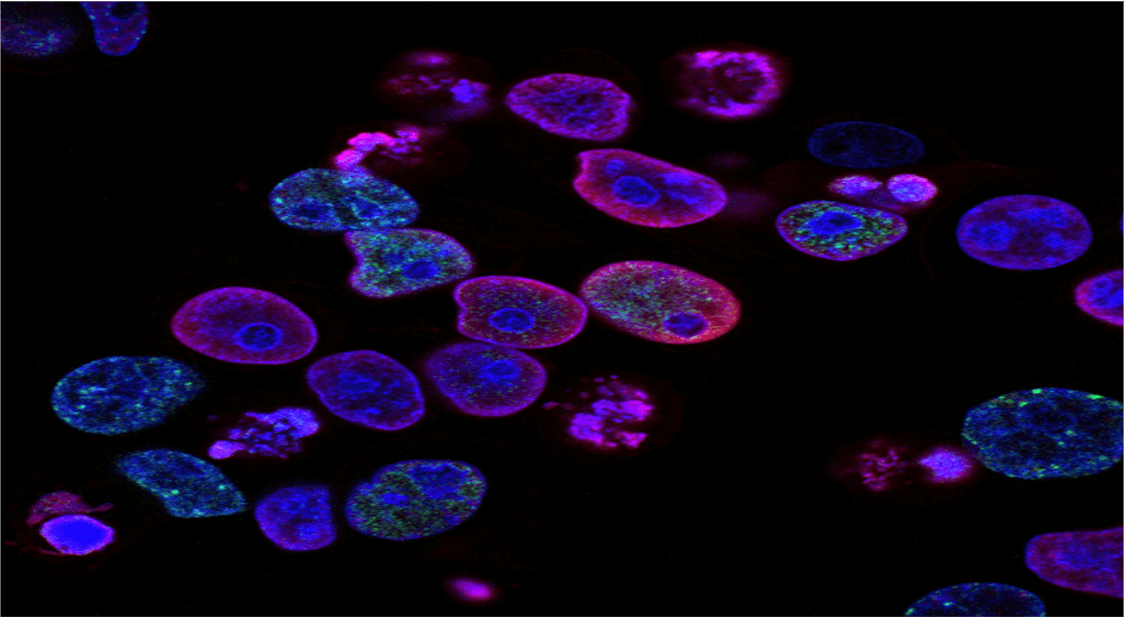
A collaborative research effort between RedHill Biopharma, Bayer AG, and Australian cancer researchers aims to tackle one of the most challenging aspects of prostate cancer treatment: drug resistance in advanced stages of the disease. The upcoming clinical trial will investigate a novel combination therapy targeting metastatic castrate-resistant prostate cancer (mCRPC), a condition with historically poor patient outcomes.
With global prostate cancer prevalence expected to double to 2.9 million cases by 2040, the study addresses a critical medical need. Approximately 20% of prostate cancer patients do not respond to standard androgen receptor signaling inhibitor therapies or develop resistance, leaving them with minimal treatment options and a bleak prognosis.
The Phase 2 clinical trial will evaluate the potential synergistic effects of RedHill's opaganib and Bayer's darolutamide. Opaganib, a novel sphingosine kinase-2 inhibitor, has demonstrated anti-inflammatory and anti-cancer properties. Researchers hypothesize that the drug could enhance darolutamide's effectiveness by inducing metabolic stress in tumor cells and potentially overcoming treatment resistance.
A unique aspect of the study is the implementation of PCPro, a companion lipid biomarker test designed to identify patients most likely to benefit from the combination therapy. This personalized approach could significantly improve treatment selection and patient outcomes. The 80-patient placebo-controlled trial will primarily assess radiographic progression-free survival over 12 months.
The clinical significance of this research is underscored by the current five-year relative survival rate of just 28% for stage 4 prostate cancer patients. If successful, the combination therapy could offer new hope for hundreds of thousands of men facing limited treatment options and poor prognoses.
Leading prostate cancer researchers, including Professor Lisa Horvath from Sydney's Chris O'Brien Lifehouse, emphasize the study's innovative approach to targeting metabolic processes in cancer cells. By potentially enabling apoptosis—programmed cell death—the combination therapy could provide a critical mechanism for interrupting cancer progression.
The trial, supported by Bayer and the Ramsay Hospital Foundation, will be conducted by the Australian and New Zealand Urogenital and Prostate Cancer Trials Group. As global prostate cancer diagnoses are expected to surge with an aging population, this research represents a potentially transformative approach to managing advanced prostate cancer.
Source Statement
This news article relied primarily on a press release disributed by News Direct. You can read the source press release here,