Gyeonggi Province's Cancellation of Shincheonji Church Event Ignites Controversy and Massive Protests
November 21st, 2024 8:00 AM
By: Newsworthy Staff
The abrupt cancellation of a Shincheonji Church event by Gyeonggi Province authorities has sparked a heated debate on religious freedom and discrimination in South Korea, leading to protests by over 25,000 people and raising questions about the balance between security concerns and constitutional rights.
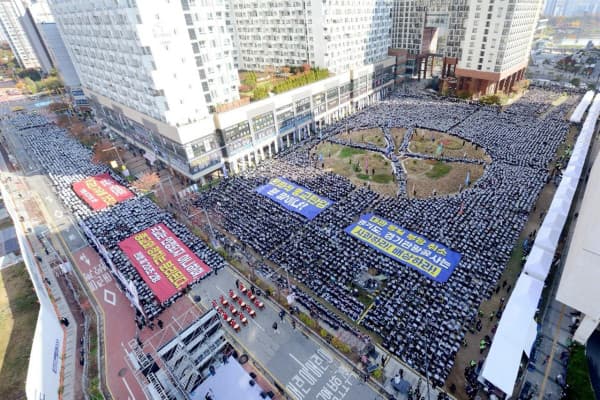
In a move that has ignited widespread controversy and protests, Gyeonggi Province authorities in South Korea canceled a major event organized by the Shincheonji Church just one day before it was scheduled to take place. The decision, citing unspecified security concerns, has led to accusations of religious discrimination and constitutional violations, with over 25,000 protesters demanding accountability and an official apology.
The "Religious Leaders Forum and Completion Ceremony," planned for October 30 at Paju Imjingak Peace Nuri, was abruptly called off on October 29. While provincial authorities and the Gyeonggi Tourism Organization expressed regret over the short notice, they maintained that the cancellation was necessary to prevent potential security risks. However, the lack of detailed information regarding these concerns has fueled skepticism and outrage among Shincheonji Church members and supporters.
Shincheonji Church officials have vehemently contested the province's explanation, arguing that the decision was politically motivated and influenced by pressure from other religious groups, particularly the Metropolitan Christian Council of Korea (MCCK). The church claims that venue management had assured them of no cancellation plans up until the day before the event, further intensifying suspicions of foul play.
The controversy has escalated into a broader debate about religious freedom and potential discrimination in South Korea. Shincheonji Church representatives argue that the cancellation violates Article 20 of the South Korean Constitution, which guarantees freedom of religion. This assertion has resonated with many protesters who view the government's actions as an infringement on their rights as citizens and a violation of the constitutional separation of religion and politics.
In response to the cancellation, Shincheonji Church organized a peaceful protest rally on November 15 outside the Gyeonggi Provincial Office. During a meeting with provincial officials, Chief Public Relations Officer Song Jae-Woong expressed dissatisfaction with the lack of a public response from government bodies and called for an official statement of responsibility from the governor. The church is also seeking compensation for financial damages incurred due to the event's cancellation.
The incident has raised significant concerns about the protection of religious freedoms in South Korea and the potential for discrimination against minority religious groups. It has also highlighted the delicate balance between ensuring public safety and upholding constitutional rights, a challenge that governments worldwide often face.
As Shincheonji Church announces plans for continued protests, the controversy shows no signs of abating. The situation underscores the need for transparent communication between government authorities and religious organizations, as well as the importance of clear guidelines for event cancellations that respect both security concerns and constitutional rights.
The outcome of this dispute could have far-reaching implications for religious freedom and civil liberties in South Korea. It may prompt a reevaluation of policies regarding religious events and potentially lead to more robust protections for minority religious groups. Additionally, the controversy could influence public perception of government accountability and the relationship between state and religious institutions in the country.
As the protests continue and Shincheonji Church pursues its demands for an apology and accountability, the eyes of religious freedom advocates and civil rights organizations both within South Korea and internationally will be closely watching the developments. The resolution of this conflict may set important precedents for how similar situations are handled in the future, not only in South Korea but potentially in other countries grappling with the complex interplay of security, religious freedom, and constitutional rights.
Source Statement
This news article relied primarily on a press release disributed by 24-7 Press Release. You can read the source press release here,