Haltom City Business Alliance Calls for Urban Renewal Strategies to Revitalize Older Neighborhoods
September 17th, 2024 7:00 AM
By: Newsworthy Staff
The Haltom United Business Alliance urges city officials to adopt policies that encourage private investment and small business growth in declining areas, emphasizing the need for code reform and streamlined processes to attract new businesses.
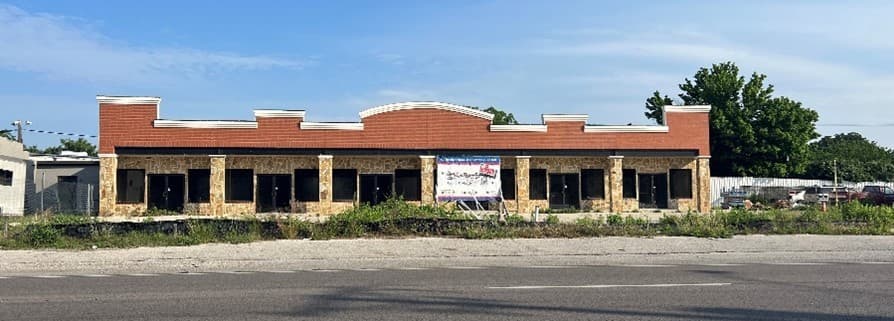
The Haltom United Business Alliance (HUBA) is advocating for significant changes in city policies to spur revitalization in the south and central areas of Haltom City, Texas. The group's push for urban renewal strategies highlights a growing concern over the decline of older neighborhoods and the barriers that prevent their economic rejuvenation.
HUBA members have compiled a list of research-backed ideas that have proven successful in other cities, focusing on code and policy changes to make these areas more attractive to private investors and small businesses. The alliance points to the work of Strong Towns, a non-profit organization that promotes financial stability and neighborhood livability through common-sense reforms.
One of the key issues identified by HUBA is the costly and time-consuming process of complying with current building codes and regulations. Joe Palmer, HUBA's Communications Director, explained that requirements such as installing sprinklers, adding parking spaces, and making other expensive modifications are significant barriers to progress. These obstacles often lead potential investors to look elsewhere, leaving buildings vacant for extended periods.
Ron Sturgeon, a founding member of HUBA, shared his personal experience with the lengthy approval process for a low-cost events center, which took over a year to gain approval and another year to complete improvements. Sturgeon emphasized the impracticality of such delays for small businesses, stating, "What small business can wait two years to open?"
The alliance is particularly concerned about the declining population in Haltom City, contrasting it with the rapid growth in the Dallas-Fort Worth metroplex. They argue that without a comprehensive plan to improve the south and central portions of the city, the vacancy rate in the main corridor, which is reportedly close to 30%, will continue to increase.
HUBA is calling for code reform in an overlay district encompassing key areas such as Denton Highway, Carson, NE 28th Street, and Belknap. The group believes that making the process easier for investors to renovate properties, change their use, or open small businesses is crucial for competing with other cities and driving revitalization in inner-city areas.
The alliance's vision extends beyond mere policy changes. HUBA aspires to see Haltom City become known as "the friendliest city in Tarrant County for small businesses." However, they argue that this goal is unattainable if prospective investors continue to face zoning obstacles, rigid code requirements, unnecessary parking mandates, and excessive bureaucratic red tape.
The implications of HUBA's proposals are significant for Haltom City and potentially for other municipalities facing similar challenges. By lowering barriers to entry for businesses and simplifying regulatory processes, the city could potentially attract more investment, reverse population decline, and revitalize struggling neighborhoods. This approach aligns with urban development trends that prioritize adaptive reuse of existing structures and the cultivation of diverse, small-scale economic activity in urban cores.
However, the resistance from city leadership, as described by HUBA members, suggests that implementing such changes may face political hurdles. The tension between maintaining the status quo and pursuing aggressive revitalization strategies reflects a broader debate in urban planning circles about how best to address the challenges of aging infrastructure and changing economic landscapes in American cities.
As Haltom City grapples with these issues, its experience could serve as a case study for other municipalities seeking to balance preservation, growth, and economic development in their older neighborhoods. The outcome of HUBA's advocacy efforts may provide valuable insights into the effectiveness of grassroots initiatives in shaping urban renewal policies and the potential for business-friendly reforms to drive community revitalization.
Source Statement
This news article relied primarily on a press release disributed by 24-7 Press Release. You can read the source press release here,