Haltom City Loses Collector Car Museum to Fort Worth Due to Zoning Challenges
December 10th, 2024 8:00 AM
By: Newsworthy Staff
Ron Sturgeon's DFW Elite Toy Museum is relocating from Haltom City to Fort Worth after facing zoning and parking obstacles in its attempts to expand within Haltom City. This move highlights potential issues with the city's approach to business development and revitalization.
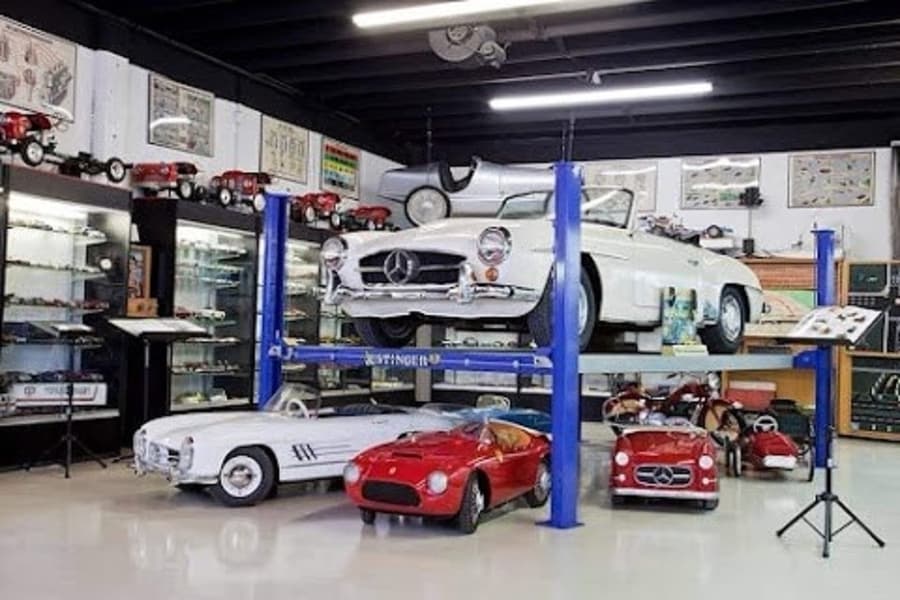
Haltom City, Texas, is set to lose a significant cultural attraction as the DFW Elite Toy Museum, founded by local entrepreneur Ron Sturgeon, announces its relocation to Fort Worth. The move comes after unsuccessful attempts to find a suitable expansion site within Haltom City, raising questions about the city's ability to retain and nurture local businesses.
Sturgeon, who has been a fixture in Haltom City's business community for five decades, began his search for a new location to house his growing collection of antique automotive toys and collector cars six months ago. Despite his preference to remain in Haltom City, where he has deep roots, Sturgeon encountered significant obstacles in his efforts to repurpose existing buildings for the museum's expansion.
The entrepreneur's attempts to utilize the former Haltom City State Bank building on Belknap Street were thwarted by the city's lack of a specific zoning classification for museums. This resulted in an excessive parking space requirement that was incompatible with the proposed site. Sturgeon's suggestion to add a museum classification to the city's use and parking matrix was dismissed, leaving him with the option of a lengthy variance process that did not align with his real estate contract timeline.
A second attempt to revitalize the long-vacant Kroger center at Denton Highway and Broadway also met with bureaucratic hurdles. Despite the city's stated desire to improve the site, officials were not enthusiastic about supporting Sturgeon's request for rezoning from C2 light commercial to C3, which would have allowed for an event center alongside the museum.
These setbacks led Sturgeon to ultimately purchase a 150,000-square-foot distribution center in Fort Worth, where the museum will relocate and rebrand as the DFW Car & Toy Museum. The move represents a lost opportunity for Haltom City to retain a unique attraction that could have contributed to the revitalization of its aging corridors.
The relocation of the museum underscores broader concerns about Haltom City's approach to business development and urban renewal. Sturgeon, through his involvement with the Haltom United Business Alliance (HUBA), has been advocating for improvements in the city's south and central areas. He argues that city management's focus on large businesses in the north has led to neglect of the declining parts of the city.
Sturgeon's experience highlights the potential consequences of rigid zoning regulations and a lack of flexibility in accommodating unique business propositions. The loss of the museum to Fort Worth may serve as a wake-up call for Haltom City officials to reconsider their strategies for attracting and retaining businesses, particularly those that could contribute to cultural enrichment and economic revitalization.
As the DFW Elite Toy Museum prepares for its move to Fort Worth, with an anticipated reopening in the first quarter of 2025, Haltom City is left to reflect on the missed opportunity. The situation raises important questions about how smaller cities can balance regulatory requirements with the need to foster business growth and community development.
The relocation of this significant cultural asset serves as a cautionary tale for other municipalities, emphasizing the importance of creating a business-friendly environment that can adapt to unique opportunities. It also highlights the need for cities to be proactive in addressing decline in older areas and to be open to innovative solutions for urban revitalization.
As Haltom City moves forward, the loss of the museum may prompt a reevaluation of its approach to zoning, business development, and community engagement. The challenge now lies in learning from this experience to create more flexible and supportive policies that can attract and retain diverse businesses, ultimately contributing to the city's growth and cultural vibrancy.
Source Statement
This news article relied primarily on a press release disributed by 24-7 Press Release. You can read the source press release here,