Hawaii Hotel Pro Formas Demand Localized Inputs to Avoid Costly Underwriting Errors
September 9th, 2026 7:15 PM
By: Newsworthy Staff
Hawaii hotel investments require pro forma adjustments for higher expense escalation, shipping costs, union labor, and long entitlements, or buyers risk 15-25% performance gaps by year two.
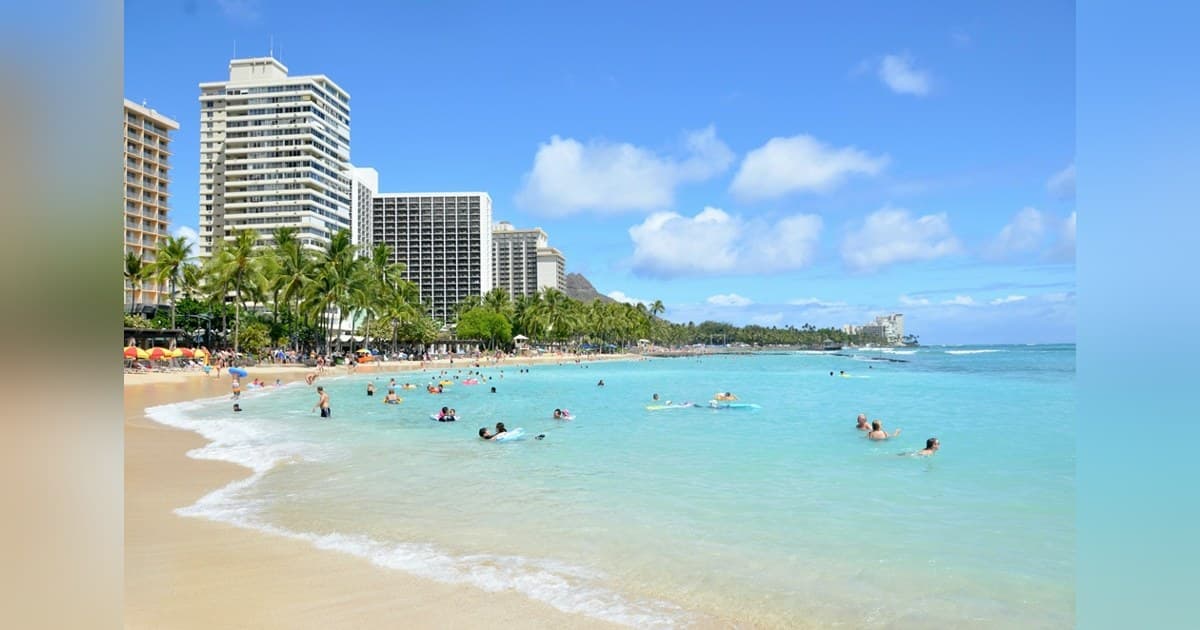
Hotel acquisition models built for mainland U.S. markets often rely on assumptions that do not hold in Hawaii, and buyers who fail to adjust them can significantly overpay or misjudge returns. The most consequential difference lies in how expense lines escalate over time. A typical mainland pro forma applies a three percent annual increase across operating expenses, but in Hawaii several categories rise at six to seven percent. "When we do a three percent annual increase on a mainland pro forma, some elements are six to seven percent here," says Mike Perkins of The Bratton Team at Colliers International Hawaii. Labor, insurance, shipping, and deferred capital all behave differently, and the cumulative effect is substantial. Perkins estimates the gap between a mainland-built pro forma and actual performance at fifteen to twenty-five percent by year two, meaning underwriting must incorporate a premium from the outset rather than adjusting after closing.
Hawaii's dependence on inbound logistics amplifies costs across nearly every operating category. Inter-island shipping recently saw a cost increase of around twenty-six percent, yet carriers still operated at a loss, indicating structural cost pressures rather than opportunistic pricing. Food represents another exposure, as Hawaii imports over ninety percent of what it consumes, adding a freight component to food and beverage cost of sales that mainland comparables lack. Lead times also stretch: items that take six weeks to arrive on the mainland commonly take ten to fourteen weeks in Hawaii. These delays affect everything from supplies to capital projects, and they must be reflected in both operating budgets and renovation schedules.
Labor is the largest single operating expense for hotels, and in Hawaii two features shape it. First, the union framework sets a base of roughly thirty dollars an hour, with further increases anticipated, and it limits operational flexibility because staffing cannot be easily reduced during soft periods. However, the framework is more negotiable than many buyers assume. Perkins describes a client whose entitlement approvals required union construction and union hotel operations, while restaurants within the property remained outside that scope, showing that terms are settled deal by deal. Second, experienced hospitality staff are scarce, especially on the Neighbor Islands, so quality carries a premium simply because fewer workers are available.
On the development side, Hawaii's entitlement process runs long enough to materially affect financial models. A pro forma that assumes a mainland approval timeline understates carry costs and pushes stabilization earlier than realistic. For buyers evaluating development or income-producing opportunities, the entitlement position of an asset can be as important to value as its physical condition.
When reviewing Hawaii hotel numbers, Perkins focuses first on average daily rate, revenue per available room, and expenses as a percentage of RevPAR. The third metric reveals the Hawaii premium most clearly, because rate and occupancy can look comparable to a mainland asset while the expense ratio tells a different story. Owners tracking Hawaii market statistics have a reference point for where those figures sit across the market.
None of this argues against Hawaii hotel investment. It argues for building the model correctly, and there are established ways to reduce the premium. Planning is the largest lever, especially working with locally established groups that hold supplier relationships and can source from Asia as well as the mainland, which compresses lead times. Tariff changes have prompted some developers to re-source across countries, and those with existing relationships have adapted faster. Operating efficiencies developed during the pandemic, such as housekeeping on request and technology deployed to reduce costs, have proved durable. The market is also showing a K-shaped pattern in which luxury properties have absorbed cost increases through rate, while mid and lower tiers compete harder and innovate faster. Perkins advises anyone building a first Hawaii hotel model to avoid aggressive assumptions, stay realistic, and apply a premium over the comparable mainland asset. Buyers who start from that position find the market more predictable than its reputation suggests, and Hawaii has historically been able to recapture cost increases through rates in a way few markets can.
Source Statement
This news article relied primarily on a press release disributed by Keycrew.co. You can read the source press release here,