How Parents Can Ease Children's Back-to-School Anxiety, According to a Neuroscientist
August 1st, 2026 12:00 AM
By: Newsworthy Staff
A cognitive neuroscientist from NYIT offers practical advice for parents to help children manage back-to-school anxiety, emphasizing preparation, calm reassurance, and gradual exposure to build resilience.
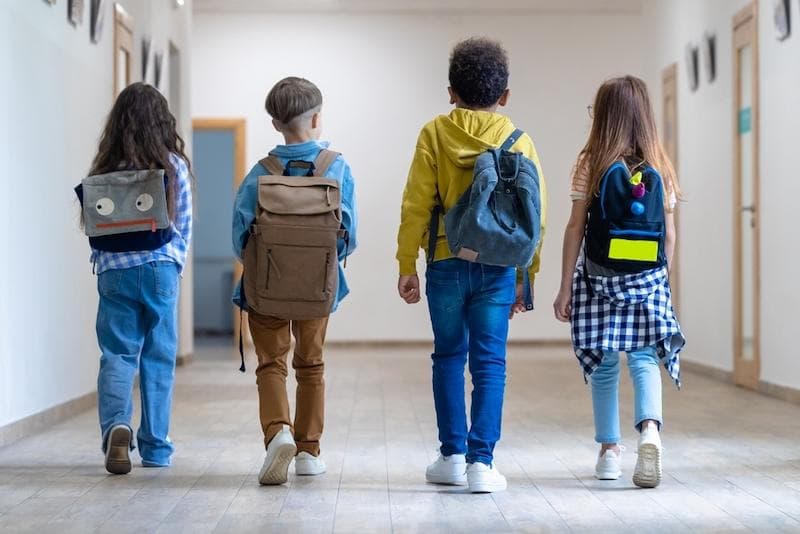
As summer fades, many children eagerly anticipate the start of a new school year, but for others, the transition can trigger significant anxiety. A recent survey found that 64% of children's worries are school-related, and experts say that understanding and addressing these fears is key to a smooth start.
Robert Alexander, Ph.D., a cognitive neuroscientist and assistant professor of counseling and wellness at New York Institute of Technology, explains that "our brains are prediction machines, and our nervous systems constantly try to anticipate what will happen next, so that we can respond appropriately and stay safe. The beginning of a new school year disrupts many of those predictions all at once—old routines are broken, expectations and environments change, children are presented with new classrooms, teachers, classmates, and other daily adjustments."
While some nervousness is normal, children prone to anxiety may find the return overwhelming. Alexander advises parents to recognize the signs, which can be indirect, such as changes in sleep, irritability, difficulty concentrating, appetite changes, clinginess, or social withdrawal. The best strategy, he says, is preparation: "Preparation helps make things more predictable and allows us to adapt to changes. Visiting the school, discussing routines, and gradually re-establishing bedtimes before classes begin can all help children feel more secure. Sleep, in particular, plays a major role in emotional regulation and stress resilience."
Parents also set the emotional tone. "Children often look to adults for cues on how they should respond to a situation. Responding with calm confidence can send a powerful message of safety," Alexander notes. Additionally, children can practice calming techniques like slow breathing—inhaling for four seconds and exhaling for six—to manage overwhelming feelings in the moment.
However, Alexander cautions against eliminating all anxiety, as a healthy amount fosters resilience. "Confidence grows through small wins. Knowing that you can handle a situation can help you deal with future situations more effectively. When children successfully introduce themselves to a new friend, find their new classroom, or survive their first week at a new school, they learn that they are capable in those environments. But children who are prone to anxiety may need some extra help moving through those feelings successfully."
Alexander is one of many New York Tech faculty members applying their expertise to real-world challenges. For more information, visit nyit.edu.
Source Statement
This news article relied primarily on a press release disributed by NewsUSA. You can read the source press release here,