Maryland Watermen Challenge Striped Bass Catch Reduction Proposal
September 26th, 2025 10:04 AM
By: Newsworthy Staff
Eastern Shore watermen strongly oppose a 12% striped bass catch reduction proposal while Maryland implements new veteran benefits and Governor Moore secures rare Republican endorsements, highlighting significant environmental, economic, and political developments across the state.
Eastern Shore watermen packed Chesapeake College on Monday and overwhelmingly opposed draft striped bass rules that would trim total removals by 12 percent in 2026 and could add more closures. The public hearing was organized by the Atlantic States Marine Fisheries Commission and the Maryland Department of Natural Resources, reflecting ongoing tensions between conservation efforts and commercial fishing interests in the Chesapeake Bay region.
Meanwhile, veterans and current members of the military are expected to reap new benefits starting October 1, when over 400 bills will become law in Maryland. Among them, the Health Equality for Service Members Act alters provisions of Maryland Code to provide certain benefits or privileges to members of the armed forces. This legislative action represents significant progress in supporting those who have served the nation.
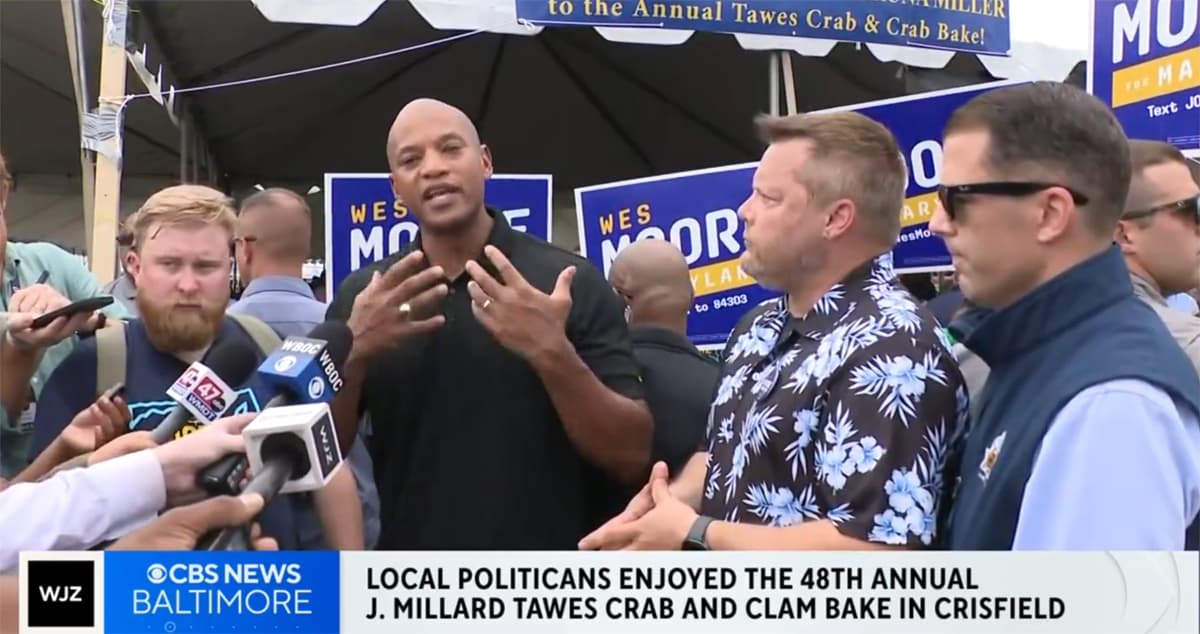
In a notable political development, six local Maryland Republicans crossed party lines to endorse Governor Wes Moore for reelection next year. Current Republican officials who endorsed Moore were the mayors of Lonaconing, Westernport in Allegany County, and Rising Sun in Cecil County. The three towns have fewer than 5,000 residents each, making this bipartisan support particularly meaningful for smaller communities. Jack Coburn, the Republican mayor of Lonaconing, stated, "I've been the mayor here for 27 years, until 2023, we often wondered if the folks in Annapolis remembered us. But, when our water treatment system failed in January of 2023, he was here on his first days in office to ensure that the people of our community had access to clean drinking water."
These developments occur against the backdrop of broader state challenges. As Maryland's workforce continues to shed federal jobs at the fastest rate in the U.S., experts still aren't sure where the bottom is. The number of federal workers in the state declined by 2,500 in August, according to the U.S. Bureau of Labor Statistics. Maryland is down more than 15,000 federal jobs since January—the largest decrease in the country. Economists remain uncertain if the data fully captures the impact of the Trump administration's campaign to slash the federal workforce.
Education issues also surfaced prominently, with the Baltimore City Council facing criticism for failing to deliver on its promise to investigate why thousands of Baltimore children are frequently missing school. Nearly nine months after almost unanimously sponsoring a bill to study the issue, the council hasn't funded the investigation. Simultaneously, Baltimore County schools face scrutiny after district officials reported that science was being neglected in some elementary schools, particularly affecting vulnerable student populations.
Other significant developments include Smith Island finally receiving full high-speed internet and 5G cell service after a $2 million effort, connecting one of Maryland's most remote communities. Montgomery County canceled its second annual Hispanic Heritage Festival due to concerns about community safety amid increased federal immigration enforcement, a decision that has sparked criticism during Hispanic Heritage Month. These events collectively illustrate the complex interplay of environmental policy, economic shifts, educational challenges, and political realignments shaping contemporary Maryland.
Source Statement
This news article relied primarily on a press release disributed by citybiz. You can read the source press release here,