New Book Examines Lasting Impact of 'War of the Worlds' Broadcast on 86th Anniversary
October 29th, 2024 7:00 AM
By: Newsworthy Staff
William Hazelgrove's 'Dead Air' offers fresh insights into Orson Welles' infamous 1938 radio broadcast, exploring its relevance to modern media consumption and the power of perception in shaping reality.
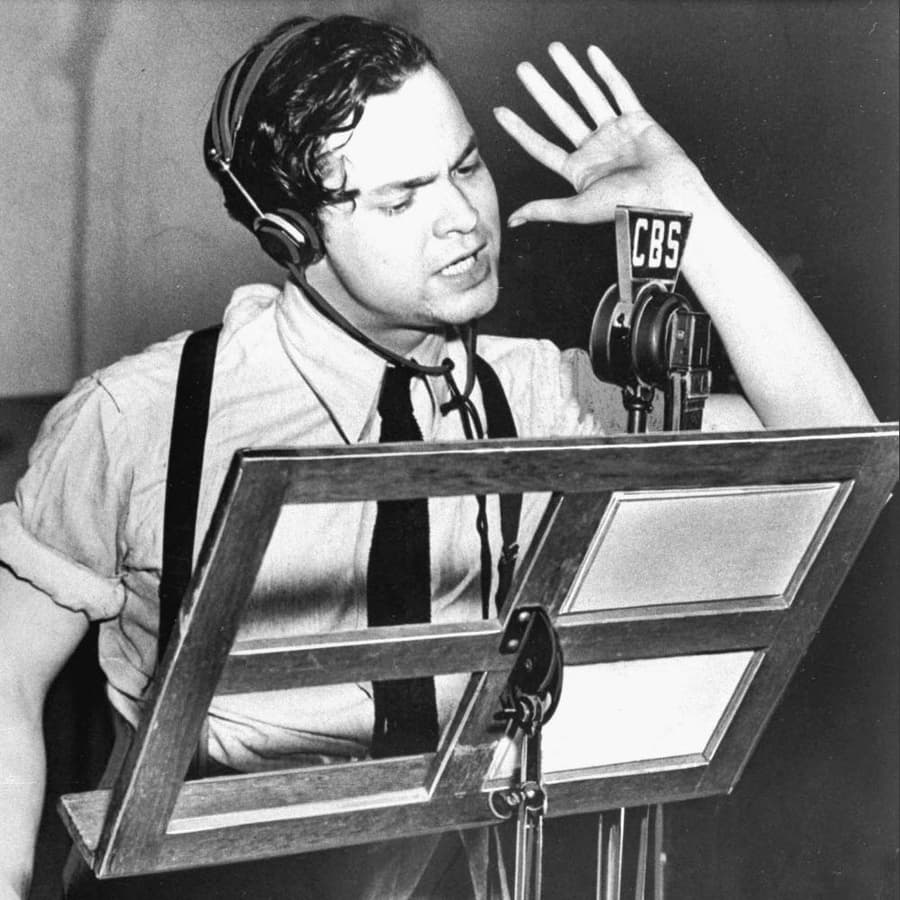
As the 86th anniversary of Orson Welles' infamous 'War of the Worlds' radio broadcast approaches, a new book by William Hazelgrove titled 'Dead Air: The Night Orson Welles Terrified America' provides a timely examination of the event's lasting impact on media and society. Published by Rowman and Littlefield, the book has already garnered critical acclaim, including positive reviews from the Wall Street Journal and Publishers Weekly, as well as a starred review from Booklist.
Hazelgrove's work delves into the circumstances that allowed a fictional alien invasion to spark widespread panic across the United States on October 30, 1938. The author argues that a combination of factors, including war anxiety, economic depression, and the rapid growth of radio as a medium, created the perfect conditions for Welles' broadcast to have such a profound effect on listeners.
The book's release comes at a time when discussions about media literacy and the spread of misinformation are at the forefront of public discourse. Hazelgrove draws parallels between the 1938 broadcast and contemporary challenges in distinguishing fact from fiction in the media landscape. By revisiting this historical event, 'Dead Air' offers valuable insights into the enduring power of media to shape public perception and behavior.
One of the book's key contributions is its exploration of how the broadcast's impact extended far beyond its East Coast origins. Hazelgrove highlights the role of car radios and CBS affiliates in spreading the panic across the country, effectively creating what he describes as the first 'viral moment' of fake news. This perspective challenges previous understandings of the event's scope and emphasizes the broadcast's national significance.
Through anecdotal accounts of people's reactions to the broadcast, Hazelgrove paints a vivid picture of the fear and chaos that ensued. These stories serve to illustrate the very real consequences of what was essentially an elaborate radio drama, underscoring the thin line between fiction and reality in media consumption.
The book's examination of Welles' use of 'dead air' – six seconds of radio silence – as a dramatic device offers a fascinating look at the psychology of media manipulation. By analyzing how this brief moment of silence amplified the broadcast's impact, Hazelgrove provides insights into the subtle yet powerful techniques that can influence audience perception.
'Dead Air' also contextualizes the 'War of the Worlds' broadcast within Welles' career, exploring how this single event catapulted the 23-year-old into national fame. This aspect of the book offers a biographical element that adds depth to the historical analysis.
As concerns about fake news and media manipulation continue to dominate public discourse, Hazelgrove's work serves as a reminder that these issues are not unique to the digital age. By revisiting the 'War of the Worlds' broadcast, the book prompts readers to consider how susceptibility to misinformation has evolved – or perhaps remained consistent – over the past eight decades.
The publication of 'Dead Air' coincides with ongoing debates about media literacy and the responsibilities of both content creators and consumers. As such, it offers a historical perspective that can inform current discussions about the power of media to shape public opinion and the importance of critical thinking in media consumption.
Ultimately, Hazelgrove's book serves as both a historical account and a cautionary tale. By examining how a radio broadcast could convince people that Martians were invading Earth, 'Dead Air' encourages readers to reflect on their own media consumption habits and the potential for manipulation in contemporary media environments. As society grapples with the challenges of discerning truth in an increasingly complex information landscape, the lessons of the 'War of the Worlds' broadcast remain remarkably relevant.
Source Statement
This news article relied primarily on a press release disributed by 24-7 Press Release. You can read the source press release here,