New Book Reveals Untold Nationwide Impact of Orson Welles' 'War of the Worlds' Broadcast
November 18th, 2024 8:00 AM
By: Newsworthy Staff
William Elliott Hazelgrove's 'Dead Air' uncovers the extensive, nationwide panic caused by Orson Welles' 1938 radio broadcast, challenging previous assumptions about its limited impact and drawing parallels to modern concerns about fake news.
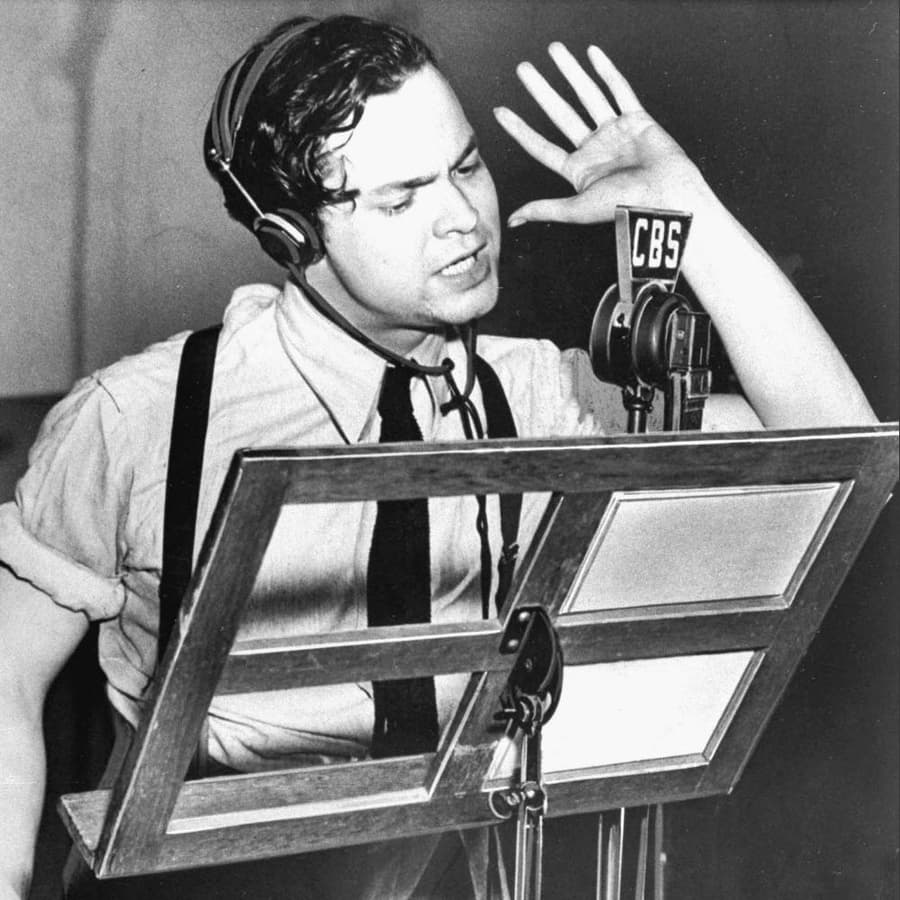
A groundbreaking book released today sheds new light on one of the most infamous moments in American media history, revealing that the panic caused by Orson Welles' 1938 'War of the Worlds' radio broadcast was far more widespread and severe than previously believed. 'Dead Air: The Night Orson Welles Terrified America' by bestselling author William Elliott Hazelgrove presents compelling evidence that the broadcast's impact extended well beyond the East Coast, causing nationwide chaos and fundamentally altering the landscape of radio and media.
Hazelgrove's extensive research, which involved scouring newspapers from across the country, uncovers a litany of dramatic incidents that occurred in response to the broadcast. These range from a woman contemplating suicide to avoid death by Martians, to a man tying crying girls to his car as he fled at high speed. The book details how the broadcast jammed switchboards nationwide, prompted military alerts, and led to widespread panic in churches, bars, and entire towns.
The significance of this revelation extends beyond historical curiosity. In an era where concerns about 'fake news' and media manipulation are at the forefront of public discourse, the 'War of the Worlds' incident serves as a powerful cautionary tale. Hazelgrove's work demonstrates how a single media event can have far-reaching consequences, influencing public behavior and challenging our understanding of truth and reality.
The book's release is particularly timely, coming on the heels of a contentious election cycle where the veracity of news was frequently called into question. By examining the 'granddaddy of all fake news,' Hazelgrove provides valuable context for contemporary debates about media literacy and the power of broadcast journalism.
'Dead Air' also offers insights into the innovative techniques employed by Welles, including the use of a breaking news bulletin format and the strategic deployment of silence – six seconds of 'dead air' that heightened the sense of realism and urgency. These tactics, revolutionary for their time, continue to influence modern media and underscore the enduring power of audio storytelling.
The book's revelations challenge the prevailing narrative that the panic was largely confined to the East Coast, suggesting that historical accounts may have underestimated the broadcast's impact. This reassessment invites a broader conversation about how we understand and remember significant media events, and the long-term effects they can have on society and culture.
Hazelgrove's work has already garnered praise from notable publications, including the Wall Street Journal and Publishers Weekly. As a respected author with a track record of well-received historical narratives, his exploration of this seminal event in media history promises to offer new perspectives and spark fresh discussions about the responsibilities and potential dangers of mass communication.
As we grapple with an ever-evolving media landscape and the challenges of discerning truth in the digital age, 'Dead Air' serves as both a fascinating historical account and a relevant commentary on our current information ecosystem. By revisiting this watershed moment in broadcasting history, Hazelgrove invites readers to consider how far we've come in our media sophistication – and how vulnerable we might still be to the power of a compelling narrative, regardless of its veracity.
Source Statement
This news article relied primarily on a press release disributed by 24-7 Press Release. You can read the source press release here,