New Study Shows Edoxaban as Effective as Warfarin for Post-Heart Valve Surgery Patients
November 17th, 2024 2:35 PM
By: Newsworthy Staff
A recent clinical trial reveals that edoxaban, an oral anticoagulant, is as effective as warfarin in preventing stroke and blood clots in patients who have undergone heart valve replacement surgery. This finding could simplify post-surgery treatment for many patients.
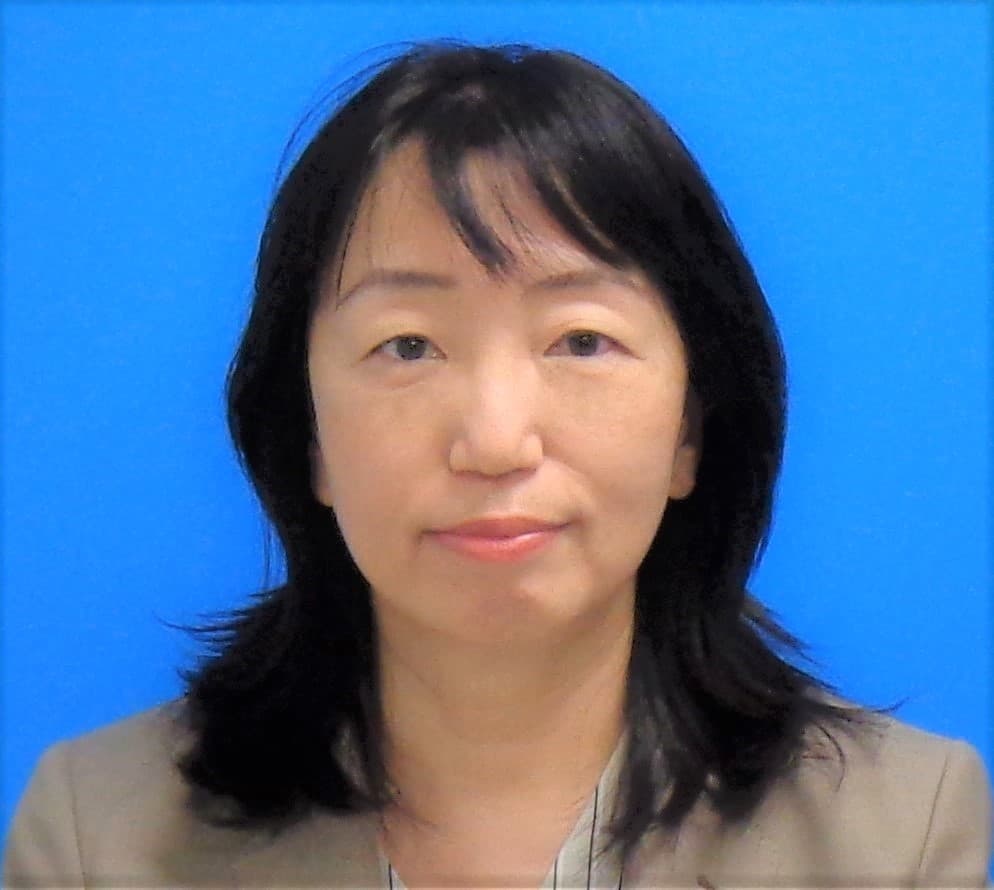
A groundbreaking study presented at the American Heart Association's Scientific Sessions 2024 in Chicago has revealed that edoxaban, an oral anticoagulant, is as effective as warfarin in reducing the risk of stroke and blood clots for patients who have undergone heart valve replacement surgery. This finding could potentially revolutionize post-operative care for thousands of patients worldwide.
The ENBALV trial, led by Dr. Chisato Izumi of the National Cerebral and Cardiovascular Center in Suita, Japan, compared the efficacy and safety of edoxaban to warfarin in approximately 400 adult patients who had received bioprosthetic heart valve replacements. The study found that only 0.5% of patients receiving edoxaban experienced a stroke or systemic embolism, compared to 1.5% of those on warfarin.
While the edoxaban group did experience a higher rate of major bleeding (4.1% vs 1% in the warfarin group), no fatal bleeding or intracranial hemorrhage was observed in patients treated with edoxaban. In contrast, one fatal cerebral hemorrhage occurred in the warfarin group. Importantly, no intracardiac thrombus was observed in the edoxaban group, while 1% of patients in the warfarin group experienced this complication.
The implications of this study are significant for both patients and healthcare providers. Unlike warfarin, which requires frequent blood tests to monitor clotting activity and has numerous food and drug interactions, edoxaban can be taken in a fixed dose without these complications. This could greatly improve the quality of life for patients recovering from heart valve surgery, particularly in the crucial first few months post-operation.
Dr. Izumi emphasized the potential benefits of edoxaban, stating, 'Our findings show that edoxaban could help prevent blood clots and stroke as effectively as warfarin, indicating it is a viable post-surgery treatment alternative to consider for patients who have received a bioprosthetic heart valve replacement.'
The study does have limitations, including its open-label design and the exclusion of patients undergoing transcatheter valve replacements. Additionally, the higher incidence of gastrointestinal bleeding in the edoxaban group (2.1% vs 0% in the warfarin group) warrants further investigation.
Despite these limitations, the results of the ENBALV trial represent a significant step forward in the management of patients following heart valve replacement surgery. The potential for a simpler, equally effective anticoagulation regimen could lead to improved patient compliance and outcomes.
As the medical community continues to seek ways to enhance patient care and reduce complications following cardiac procedures, the findings of this study offer a promising avenue for future research and clinical practice. The use of edoxaban could potentially become a new standard in post-operative care for heart valve replacement patients, offering a more convenient and equally effective alternative to warfarin.
While further research is needed to fully understand the long-term implications and to identify patients who may be at higher risk for bleeding complications with edoxaban, this study marks an important advancement in the field of cardiac care. As we move forward, it will be crucial for healthcare providers to carefully consider the individual needs and risk factors of each patient when choosing between anticoagulation options.
The results of the ENBALV trial underscore the ongoing progress in medical research and the potential for improved patient outcomes through innovative approaches to treatment. As more data becomes available and further studies are conducted, the medical community will be better equipped to make informed decisions about the use of edoxaban and other direct oral anticoagulants in post-operative care for heart valve replacement patients.
Source Statement
This news article relied primarily on a press release disributed by NewMediaWire. You can read the source press release here,