NYC Luxury Real Estate Shifts Focus from Status to Investment Value in 2026
February 24th, 2026 10:25 PM
By: Newsworthy Staff
Luxury buyers in New York City are prioritizing investment potential and privacy over status symbols, with data-driven approaches and off-market opportunities becoming essential in a historically tight market.
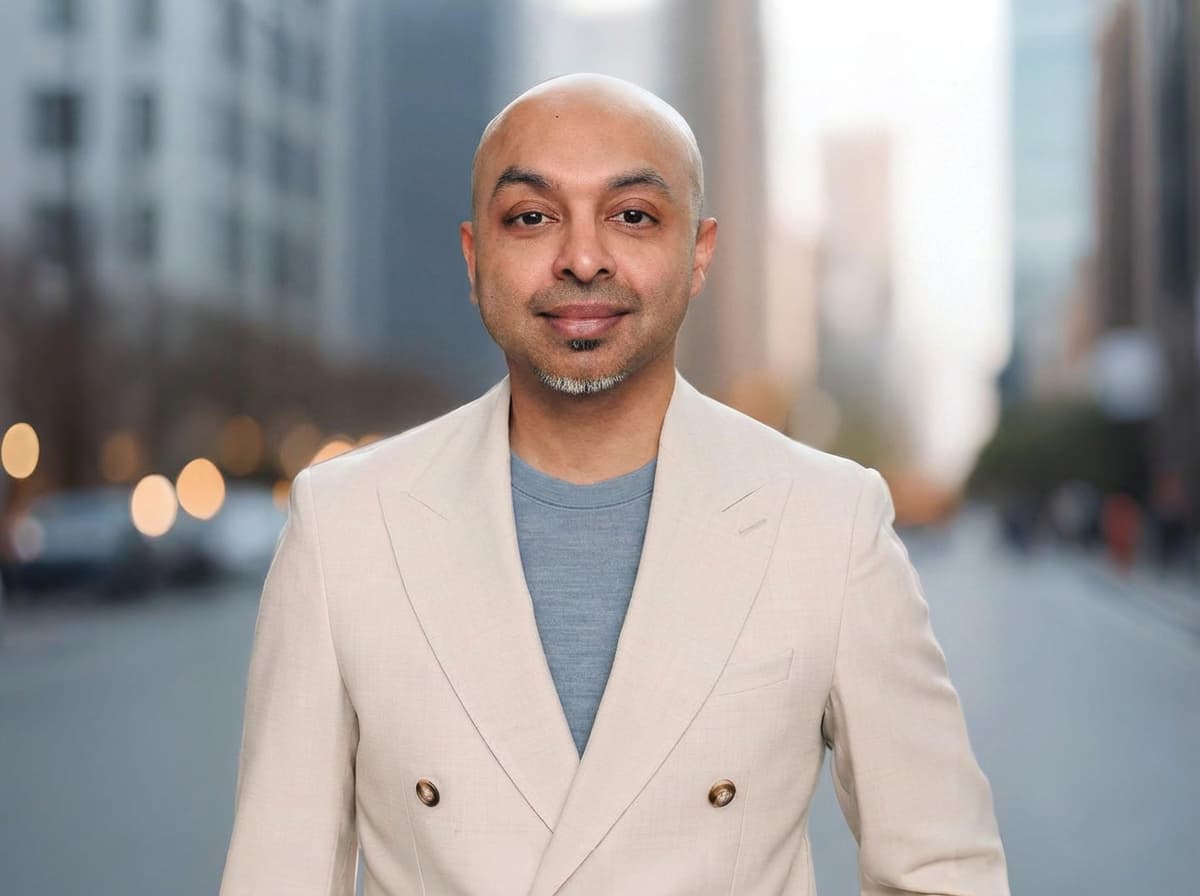
Contrary to assumptions that luxury buyers in New York City are motivated by status, current market dynamics reveal a focus on investment value and rigorous financial analysis. Mukul "Micky" Lalchandani, founder and managing broker of Undivided, notes that clients in the $5 million-plus tier—including tech founders, finance executives, physicians, and global investors—model exit returns before considering aesthetic features. These buyers prioritize data on absorption rates and price per square foot, walking away from deals that don't hold up under scrutiny regardless of the address's prestige.
Lalchandani advises clients to purchase based on marketability for future buyers rather than personal taste, treating residential property as a financial asset. He tracks resale performance, absorption rates, and supply pipelines in specific buildings, emphasizing that "bigger numbers mean bigger problems, potentially." This philosophy is crucial in 2026, as inventory above the $4 million threshold remains historically tight, with cash buyers moving quickly on limited options. The gap between publicly listed and actually available properties is significant, making early access to off-market opportunities essential.
Lalchandani spends considerable energy tracking developer inventory, building sellouts, and when sponsor units might re-enter the market. He warns that buyers not on his radar for off-market opportunities may miss perfect homes that never appear on platforms like Zillow. Since COVID, luxury buyer preferences have shifted meaningfully, with private outdoor terraces, home-office-ready floor plans, and single-unit elevator landings moving from preference to near-requirement. Privacy in daily living and transaction handling has become a defining market feature, with features enhancing privacy and flexibility outperforming in resale.
Lalchandani recalls a $17 million Central Park property sale where the owner refused press coverage, making the transaction invisible online—a level of discretion now standard at high price points. For buyers new to NYC, he steers them away from televised neighborhoods toward areas delivering value, citing a client who purchased a Gramercy penthouse for $7 million, $1 million below asking, in a new building with amenities. Four years later, comparable units trade near $8.6 million, highlighting opportunities in building sales cycles where developers prioritize absorption over pricing.
With 900,000 buildings in New York City, Lalchandani notes that two apartments side by side can sell at very different prices per square foot based on timing, sponsor inventory, and resale positioning. Understanding these nuances separates assets from liabilities. "In New York, the hardest part isn't finding an apartment," he says. "It's knowing which apartment will still make sense five years from now. Most properties look similar today. Their future performance won't be."
Source Statement
This news article relied primarily on a press release disributed by Keycrew.co. You can read the source press release here,