Oshkosh Reveals Electric Aviation's True Market: Beyond Flying Cars
August 10th, 2026 5:05 PM
By: Newsworthy Staff
The largest gathering of electric aircraft at Oshkosh Air Venture shows the market is broader than eVTOLs, with conversions and diverse applications driving immediate infrastructure needs.
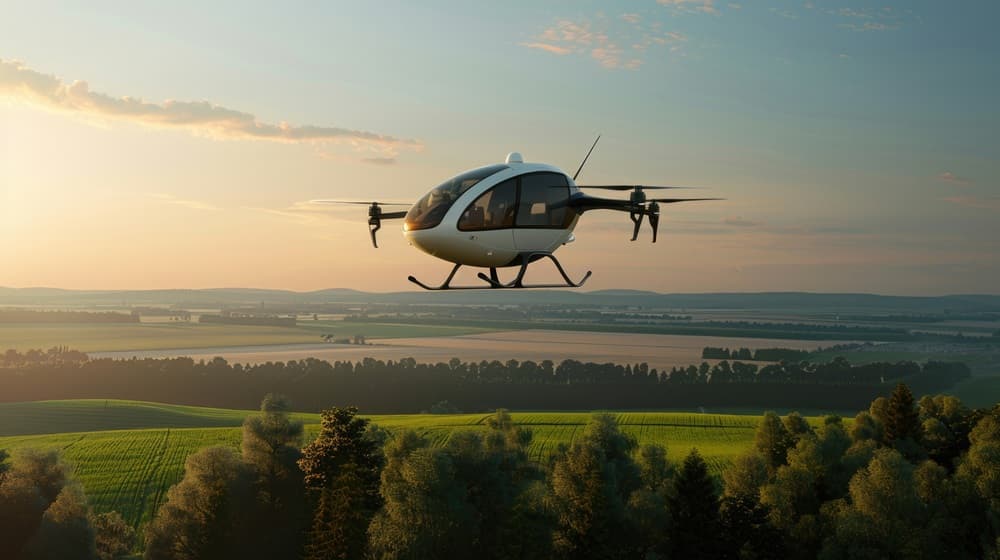
The recent Oshkosh Air Venture, drawing 700,000 attendees and 20,000 campers, showcased the largest assembly of electric aircraft ever, revealing that the electric aviation revolution extends far beyond the hype of flying cars and urban air taxis. Lisa Wright, founder of Landings, observed a diverse ecosystem of electric aircraft, including conversions of traditional planes like Cessna Caravans and Pipistrels, alongside the expected eVTOL prototypes. This signals a market that is already operational across multiple segments, from emergency services to agriculture.
Wright highlighted the presence of electrified Cessna Caravans and the eBeaver, a converted de Havilland Beaver, which are flying commercially now. These conversions expand the use case ecosystem immediately, providing real-world data and operational experience that pure eVTOL startups cannot yet match. The industry's focus on certification timelines for passenger eVTOLs, such as Joby and Archer, is overshadowed by the immediate viability of converted aircraft.
The event also featured companies like Air EV, an Israeli firm, aiming to produce 30,000 aircraft annually, a scale comparable to automotive manufacturing. This approach, enabled by the new Mosaic rule for light sport aircraft, targets a broader market than urban air mobility, including rural and regional applications. Similarly, Skyfly is pursuing Mosaic-level approvals, which free them from restrictive commercial certification, allowing for faster deployment.
A defining moment occurred when a Beta aircraft flew overhead during a presentation by Tim Jackson, author of "Dude, Where's My Flying Car?" The audience rushed out to watch, highlighting that these aircraft are not just concepts but are accumulating significant flight hours. Beta's test fleet has flown 175,000 miles, demonstrating operational readiness and generating data crucial for certification.
Oshkosh underscored that innovation in aviation thrives on diversity. With thousands of aircraft of different ages and designs, it's clear there is no single right approach to electric aviation. This diversity is a strength, as the industry experiments with various designs and standards, much like the early days of aviation.
For infrastructure developers and commercial property owners, the message is clear: the electric aviation market is arriving now, not in the distant future. The need for charging and landing infrastructure extends beyond urban vertiports to rural networks supporting converted aircraft, emergency services, and logistics. Landings is already planning a network of 2,000+ rural locations to meet this demand, taking an infrastructure-first approach through revenue-sharing partnerships.
As the industry evolves, the opportunities for investment and development are vast. The electric aviation revolution is not just about flying cars; it's about transforming all of aviation, and the time to prepare is now.
Source Statement
This news article relied primarily on a press release disributed by Keycrew.co. You can read the source press release here,