Redmond Residents Demand Parking for Proposed Plymouth Housing Development
November 25th, 2024 8:00 AM
By: Newsworthy Staff
Community members in Redmond, Washington, are pushing back against Plymouth Housing's request to waive parking requirements for a new homeless housing development. The controversy highlights tensions between affordable housing needs and local zoning regulations.
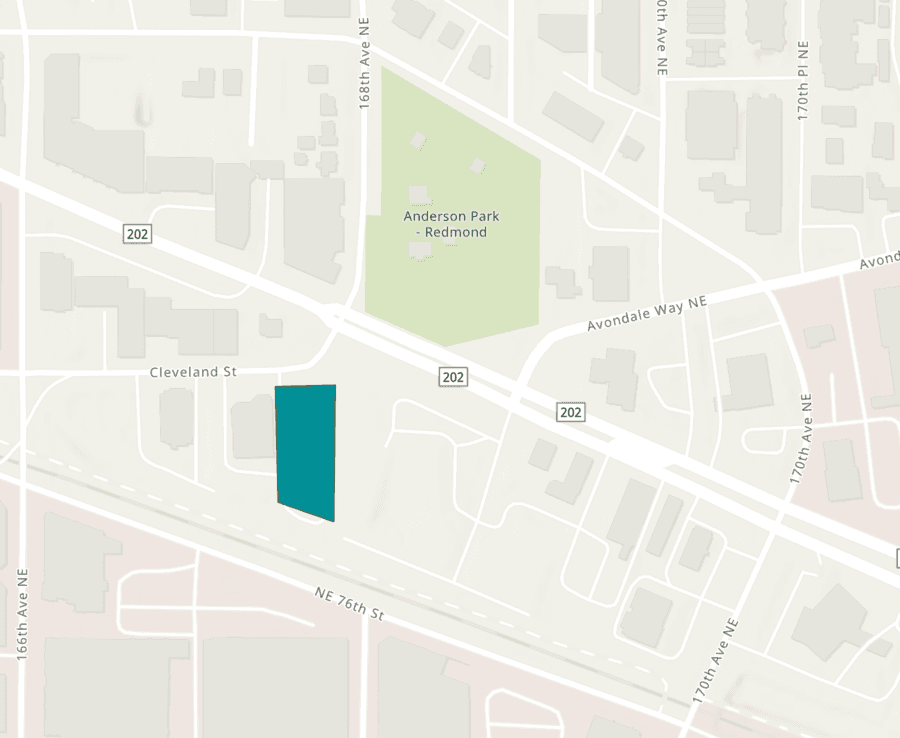
Residents of Redmond, Washington, are voicing strong opposition to Plymouth Housing's proposal to build a mixed-use homeless housing development with minimal parking in the city's downtown area. The project, which includes 100 residential units and commercial space, has requested a waiver from the city to provide only four parking spaces, sparking concerns about the impact on the local community and setting a precedent for future developments.
Plymouth Housing's request stands in stark contrast to Redmond's zoning code, which typically requires a minimum of 1.25 parking stalls per residential unit and 2 stalls per 1,000 square feet of commercial space. Attorney Mark Lamb, representing concerned citizens, argues that the proposal is "entirely inconsistent" with the city's zoning code and best practices for mixed-use developments.
The controversy extends beyond parking issues, as community members are also calling for a more thorough environmental review. Lamb has challenged the city's plan to issue a Determination of Non-Significance (DNS), asserting that a project of this scale with such limited parking will inevitably have significant impacts. He argues that a Determination of Significance (DS) should be issued, necessitating a full Environmental Impact Statement (EIS).
This situation underscores the complex challenges cities face in balancing affordable housing needs with existing zoning regulations and community concerns. The Plymouth Housing project aims to provide much-needed supportive housing for homeless individuals, but residents fear it may exacerbate parking problems in the already congested Anderson Park area.
Comparisons have been drawn to other recent developments in the area. The adjacent AMLI residential buildings were required to provide a parking ratio of 0.8 stalls per unit, while the Together Center, another affordable housing project, has a ratio of 0.44 stalls per unit. Plymouth Housing's own Plymouth Crossing project in nearby Bellevue offers a parking ratio of 0.37 stalls per unit, significantly higher than what is proposed for the Redmond development.
Community group Safe Eastside suggests a compromise, proposing that the project should at least match the parking ratio of Plymouth Crossing, which would result in a minimum of 41 parking spaces. This proposal aims to strike a balance between the developer's cost-saving measures and the community's parking concerns.
The controversy has broader implications for urban planning and affordable housing development. It raises questions about how cities can accommodate supportive housing projects while maintaining consistency in zoning enforcement and addressing legitimate community concerns. The outcome of this dispute could set a precedent for future developments in Redmond and potentially influence similar projects in other municipalities.
Beyond parking, residents have expressed concerns about seismic and water contamination risks, given the site's location in an area susceptible to liquefaction and within a Critical Aquifer Recharge Area. The community is calling for these environmental factors to be thoroughly addressed before any permits are issued.
The situation is further complicated by the city's rapid approval of the land transfer to Plymouth Housing without public comment, a decision that has eroded trust between some residents and city officials. This has led to increased scrutiny of the project and demands for greater transparency in the development process.
As the Technical Review Committee, led by Planning and Community Development Director Carol Helland and Public Works Director Aaron Bert, considers the proposal, they face the challenge of balancing the urgent need for supportive housing with the concerns of existing residents and businesses. Their decision will likely have lasting impacts on Redmond's urban landscape and could influence how other cities approach similar housing projects in the future.
Source Statement
This news article relied primarily on a press release disributed by 24-7 Press Release. You can read the source press release here,