San Marcos Buys 200 Acres to Extend Runway, Eyes Aerospace Future
September 21st, 2026 1:00 PM
By: Newsworthy Staff
San Marcos is investing in aviation and aerospace infrastructure by purchasing 200 acres to extend its airport runway and developing a 2,000-acre mega site, aiming to attract aerospace, defense, and manufacturing companies.
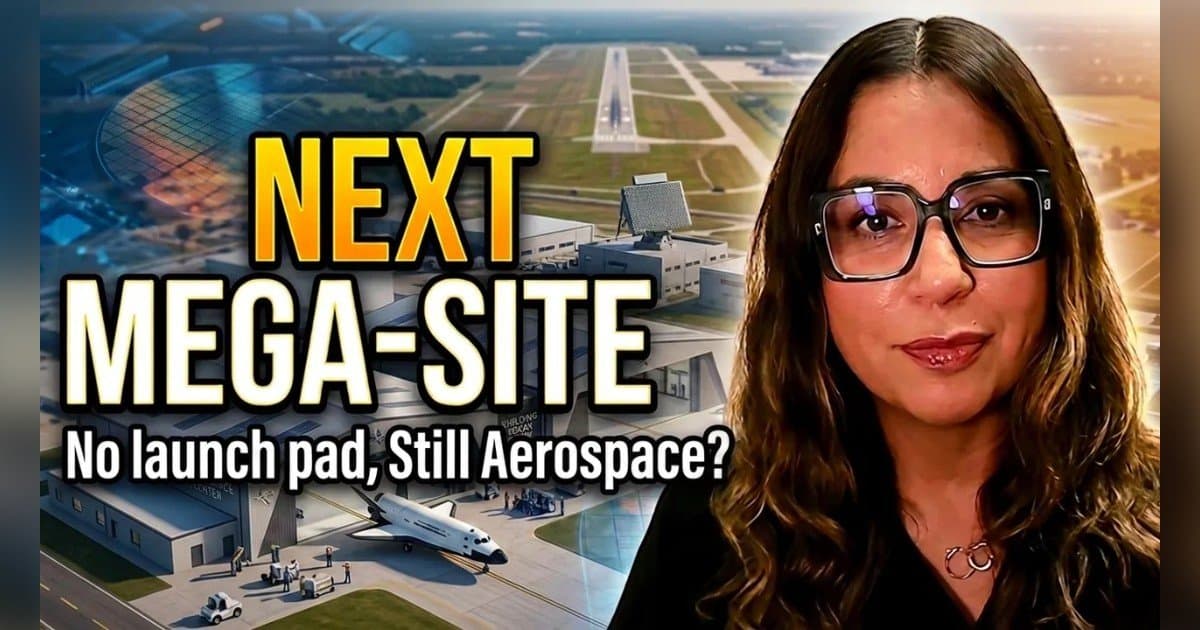
San Marcos is making a significant push into aerospace and defense manufacturing, anchored by the city's purchase of nearly 200 acres from the U.S. Department of Labor to extend the runway at San Marcos Regional Airport. The move, detailed by Helen Ramirez, economic development director for the City of San Marcos, on a recent episode of The Building Texas Show, signals the city's intent to capitalize on its location between Austin and San Antonio and build an ecosystem around aviation and advanced manufacturing.
The runway extension is being funded by FAA and Texas Aviation grants, and the airport already hosts more than 18 tenants, including Berry Aviation, now owned by publicly traded Bristow Group (NYSE: VTOL). That existing base provides a foundation for attracting aerospace and defense companies. Ramirez points to Hawthorne, California—home to Raytheon, Boeing, and Northrop Grumman—as a model. "We are looking at that future of space. It is not necessarily launching rockets," she says. "You can have it in Starbase, SpaceX, but that's not what we're looking for. But we can be part of the intelligence of creating that ecosystem." The implication is clear: San Marcos is not chasing a spaceport but rather the high-value engineering, manufacturing, and supply-chain jobs that support the aerospace industry.
Adjacent to the airport lies TriTexas, a 2,000-acre, rail-served mega site with regional detention and utilities already built, even before a single tenant has signed. That infrastructure readiness reduces risk for companies looking to expand quickly. The city's economic development survey of 98 companies found that more than 90% reported stable or growing operations, and about 40% are actively expanding. Epic Piping is adding 100 employees, Amazon continues to grow its footprint, and Collins Aerospace, which also operates in California, told Ramirez that business is better in San Marcos. Nabaco, a Texas State University spinout that went through a Rice University accelerator, now operates in Spain but still hires Texas State grad students. US Aviation trains active-duty Air Force cadets at the airport.
The ecosystem extends beyond the airport. Star Park, Texas State's incubator, is home to the Innovation Corridor Defense Accelerator, run with Starburst Aerospace and the Hays Caldwell Economic Development Partnership. Downtown, a 130-key boutique hotel is coming on land Texas State donated, with a minimum-wage requirement tied to inflation written into the incentive deal. Texas State is also adding a hospitality program tied to the hotel. These moves show a coordinated effort to align education, workforce development, and industry needs.
Ramirez's staff has direct access to the city's permitting software, allowing real-time answers to permit questions. Texas Building Supply, on track for roughly $40 million a year in sales tax once fully ramped, with no incentive package attached, benefits from this responsiveness. That efficiency could be a competitive advantage as San Marcos seeks to attract aerospace and defense companies.
For viewers interested in the full conversation, the episode is available on YouTube at youtube.com/@thebuildingtexasshow.
Source Statement
This news article relied primarily on a press release disributed by Newsworthy.ai. You can read the source press release here,