Seraph's Season0 Marks Milestone with $2 Million Revenue and Record Player Engagement
October 2nd, 2024 4:00 PM
By: Newsworthy Staff
Web3 game Seraph concludes a highly successful competitive season, generating over $2 million in revenue and attracting 90,000 active players. The game's growth signals a significant shift in the GameFi sector and demonstrates the increasing popularity of blockchain-based gaming.
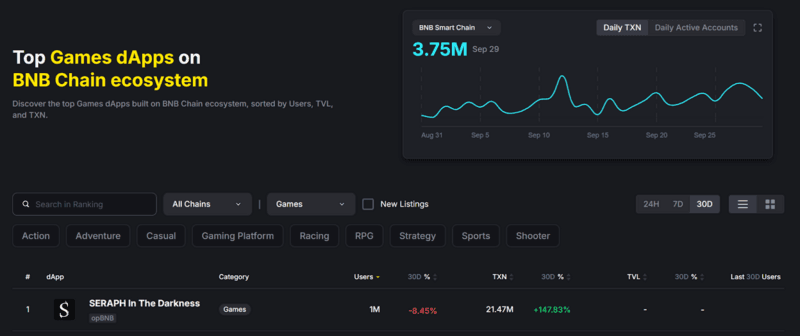
The Web3 gaming landscape is witnessing a seismic shift as Seraph, a prominent AAA blockchain game, reports unprecedented success in its recent competitive season. The game's Season0, which ran from August 22 to September 25, has set new benchmarks in player engagement and revenue generation, potentially reshaping the future of the GameFi sector.
Seraph's latest season has yielded impressive results, with over $2 million in total game revenue and more than 90,000 active players participating. The game reached a new pinnacle with 7,500 concurrent players at its peak, underlining its growing appeal in the competitive gaming market. These figures not only represent a significant milestone for Seraph but also indicate a broader acceptance of blockchain-based gaming among mainstream audiences.
The success of Seraph extends beyond mere player numbers. The game's NFT ecosystem has shown remarkable vitality, with over 2,600 ETH in trading volume and more than 52,000 NFT transactions processed during the season. This robust NFT activity suggests a deepening integration of blockchain technology in gaming, where digital assets hold tangible value and contribute to the overall gaming experience.
Since its inception, Seraph has consistently demonstrated its potential to lead the Web3 gaming revolution. The game has facilitated a total of 17,000 ETH in NFT trading volume and surpassed 163,000 NFT trading transactions, cementing its position as a key player in the blockchain gaming space. These figures reflect not just the game's popularity but also the growing liquidity and market depth of in-game assets in the Web3 ecosystem.
Earlier phases of Seraph's development have also shown promising results. The pre-season test attracted 61,000 players who engaged with the game for an average of 7 hours daily, generating $3 million in fiat revenue and 360 ETH in cryptocurrency revenue. The total transaction volume exceeding $90 million during this phase indicates the substantial economic activity that Web3 games can generate.
Seraph's integration with the BNB Chain ecosystem marks another significant development. This partnership is expected to enhance the game's infrastructure and expand its player reach. Tobin, CEO of Seraph, emphasized the importance of this collaboration in driving community expansion and gameplay innovation. The full integration of Seraph's assets into BNB Chain positions the game for sustained growth and sets the stage for more immersive gaming experiences in future seasons.
The implications of Seraph's success extend beyond the game itself. It serves as a proof of concept for the viability of blockchain technology in creating engaging, economically robust gaming ecosystems. The high player retention rates and substantial economic activity within the game suggest that Web3 gaming could become a significant sector in both the gaming and blockchain industries.
As Seraph continues to evolve and attract more players, it may pave the way for broader adoption of blockchain technology in mainstream gaming. The success of Season0 demonstrates that players are not only ready to engage with blockchain-based games but are also willing to participate in their economies actively. This trend could lead to new business models in the gaming industry, where players have more ownership and control over their in-game assets and experiences.
The achievements of Seraph in its recent season represent more than just numbers; they signify a potential paradigm shift in how games are developed, played, and monetized. As the lines between traditional gaming and blockchain technology continue to blur, Seraph's success may be viewed as a harbinger of the future of interactive entertainment, where digital ownership and decentralized economies play central roles in the gaming experience.
Source Statement
This news article relied primarily on a press release disributed by BlockchainWire. You can read the source press release here,