South Korean Government Agency's Abrupt Cancellation of Religious Event Raises Concerns Over Religious Freedom
November 1st, 2024 7:00 AM
By: Newsworthy Staff
A last-minute cancellation of a major international religious event in South Korea has sparked controversy and debate about religious freedom and discrimination. The incident has led to significant financial losses and accusations of unconstitutional behavior.
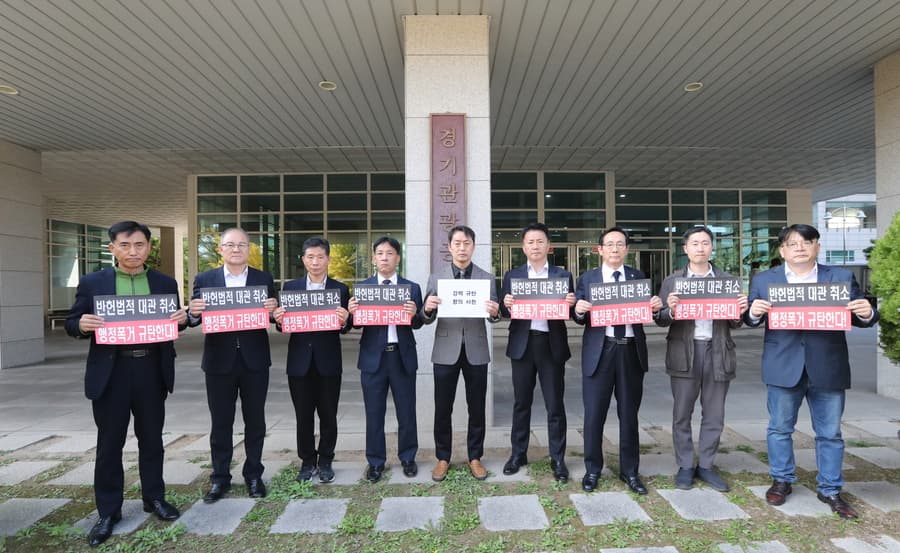
A recent administrative decision by a South Korean government agency has ignited an international controversy, raising serious questions about religious freedom and tolerance in the country. On October 29, 2024, the Gyeonggi Tourism Organization, a public entity under Gyeonggi Province, South Korea, abruptly canceled the venue rental for the "Religious Leaders Forum and Graduation Ceremony," a joint initiative by two prominent religious organizations.
The event, which was set to take place in Paju, South Korea, was expected to draw over 30,000 participants from 57 countries, including 1,000 religious leaders representing Christianity, Buddhism, Islam, and Hinduism. The last-minute cancellation has resulted in significant financial damage to the international event and has been met with strong criticism from the organizers.
The hosting organizations, the Association for Buddhist National Unification of Korea and Shincheonji Church of Jesus, have stated that the cancellation constitutes an unconstitutional act of discrimination against a specific religion, violating religious freedom, human rights, and due process of law. They emphasized that they had received official confirmation on October 23rd and 28th that there was no plan of cancellation, making the sudden reversal particularly troubling.
The Gyeonggi Tourism Organization cited security concerns related to recent North Korean actions and the planned activities of a North Korean defector group as reasons for the cancellation. However, the organizers pointed out that other events, such as civilian bike rides and foreign tourist visits to the DMZ, were permitted within the same designated area on the same day, suggesting that the cancellation was specifically targeting their religious event.
This incident has reignited international debate about religious freedom and tolerance in South Korea. It comes in the context of previous concerns raised by the U.S. State Department's International Religious Freedom Report, which has highlighted issues such as the prosecution of Shincheonji Church of Jesus and the government's refusal to approve mosque construction in the country.
The implications of this cancellation extend beyond the immediate financial losses and disruption to the event. It raises important questions about the state of religious freedom in South Korea and the government's commitment to upholding constitutional principles of separation of church and state. The incident may also have diplomatic repercussions, potentially affecting South Korea's international reputation and relationships with countries whose religious leaders were set to participate in the event.
Furthermore, this controversy highlights the ongoing challenges faced by religious minorities in many parts of the world. It serves as a reminder of the importance of vigilance in protecting religious freedom and the need for governments to ensure fair and equal treatment of all religious groups, regardless of their size or influence.
As the situation unfolds, international human rights organizations and religious freedom advocates are likely to closely monitor developments in South Korea. The response of the South Korean government to this controversy and any steps taken to address the concerns raised by the event organizers will be crucial in determining the long-term impact of this incident on religious freedom and tolerance in the country.
The Association for Buddhist National Unification of Korea and Shincheonji Church of Jesus have called upon the South Korean government to respect religious freedom, uphold human rights, and rectify this decision. The resolution of this issue may set an important precedent for how religious events and minority religious groups are treated in South Korea in the future, potentially influencing policies and practices in other countries as well.
Source Statement
This news article relied primarily on a press release disributed by 24-7 Press Release. You can read the source press release here,