Spiral Staircases: Balancing Form and Function in Modern Architecture
November 12th, 2024 8:00 AM
By: Newsworthy Staff
The design and installation of spiral staircases require careful consideration of space, safety, and aesthetics. This article explores the key factors in determining dimensions and layout, highlighting the importance of professional expertise in creating these functional yet visually striking architectural elements.
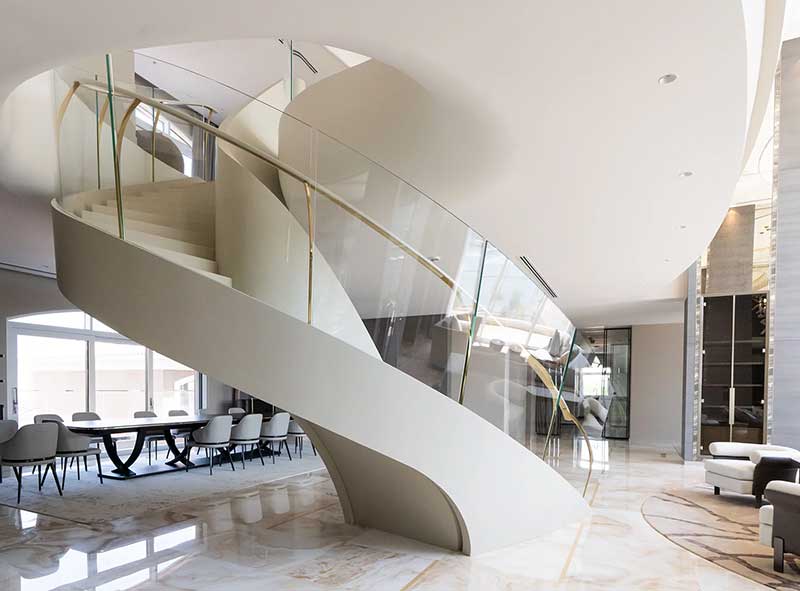
Spiral staircases have emerged as a popular choice in both residential and commercial architecture, offering a compelling blend of space efficiency and aesthetic appeal. As architects and homeowners increasingly seek innovative solutions for maximizing space without compromising on style, the demand for well-designed spiral staircases continues to grow.
The process of designing and installing a spiral staircase is complex, requiring a delicate balance between form and function. The first crucial step involves accurate measurement and planning of the space where the staircase will be located. This includes determining the floor-to-floor height and the diameter of the staircase, which is dictated by the available floor space. Professional designers play a vital role in this phase, utilizing advanced tools like CAD software to visualize the staircase within its intended environment.
Safety is paramount in spiral staircase design, with strict adherence to design principles and regulations necessary to ensure user safety. Key considerations include appropriate step height and depth, proper handrail height, and minimizing gaps that could pose risks to children or pets. Compliance with local building codes is also essential, underscoring the importance of working with knowledgeable professionals who can navigate these regulatory requirements.
The choice of materials significantly impacts both the functionality and aesthetics of spiral staircases. Wood, metal, and glass are common options, each offering distinct advantages. Wood can provide warmth and traditional elegance, while metal offers durability and a contemporary aesthetic. The selection of materials should complement the overall architectural style of the building, creating a harmonious integration with the surrounding space.
Technological advancements have revolutionized the design and manufacturing processes of spiral staircases. The use of 3D modeling enables designers to create precise, customized staircases that fit perfectly within designated spaces. Innovative manufacturing techniques, such as laser-cutting and the use of modular components, have streamlined installation processes, often resulting in superior outcomes compared to traditional construction methods.
The aesthetic potential of spiral staircases should not be underestimated. When thoughtfully designed, these structures can become striking focal points within a space, enhancing the overall appeal and value of a property. The challenge lies in balancing this visual impact with practical considerations, ensuring that the staircase serves its primary function without overwhelming the space.
As the architectural landscape continues to evolve, the role of spiral staircases in modern design is likely to expand. Their ability to combine space-saving functionality with aesthetic appeal makes them an attractive option for a wide range of projects, from compact urban dwellings to expansive commercial spaces. However, the success of a spiral staircase installation hinges on careful planning, expert design, and precise execution.
The importance of professional expertise in spiral staircase design cannot be overstated. From initial conceptualization to final installation, experienced designers and builders play a crucial role in ensuring that these complex structures meet all safety standards, comply with local regulations, and fulfill the aesthetic vision for the space. As spiral staircases continue to gain popularity, the demand for skilled professionals in this niche area of architectural design is likely to increase.
In conclusion, the process of determining the dimensions and layout of spiral staircases represents a fascinating intersection of art, science, and engineering. By carefully considering factors such as space constraints, safety requirements, material selection, and aesthetic goals, it is possible to create spiral staircases that are not only functional but also serve as stunning architectural features. As buildings continue to evolve to meet changing needs and preferences, the versatility and appeal of well-designed spiral staircases ensure their enduring relevance in modern architecture.
Source Statement
This news article relied primarily on a press release disributed by 24-7 Press Release. You can read the source press release here,