Stigma and Treatment Resistance Prolong Head Lice Outbreaks in Atlanta Schools
March 31st, 2026 4:30 PM
By: Newsworthy Staff
A significant rise in head lice cases across Georgia schools in 2026 is being exacerbated by social stigma and pesticide-resistant lice, leading to prolonged outbreaks and increased school absences despite available effective treatment options.
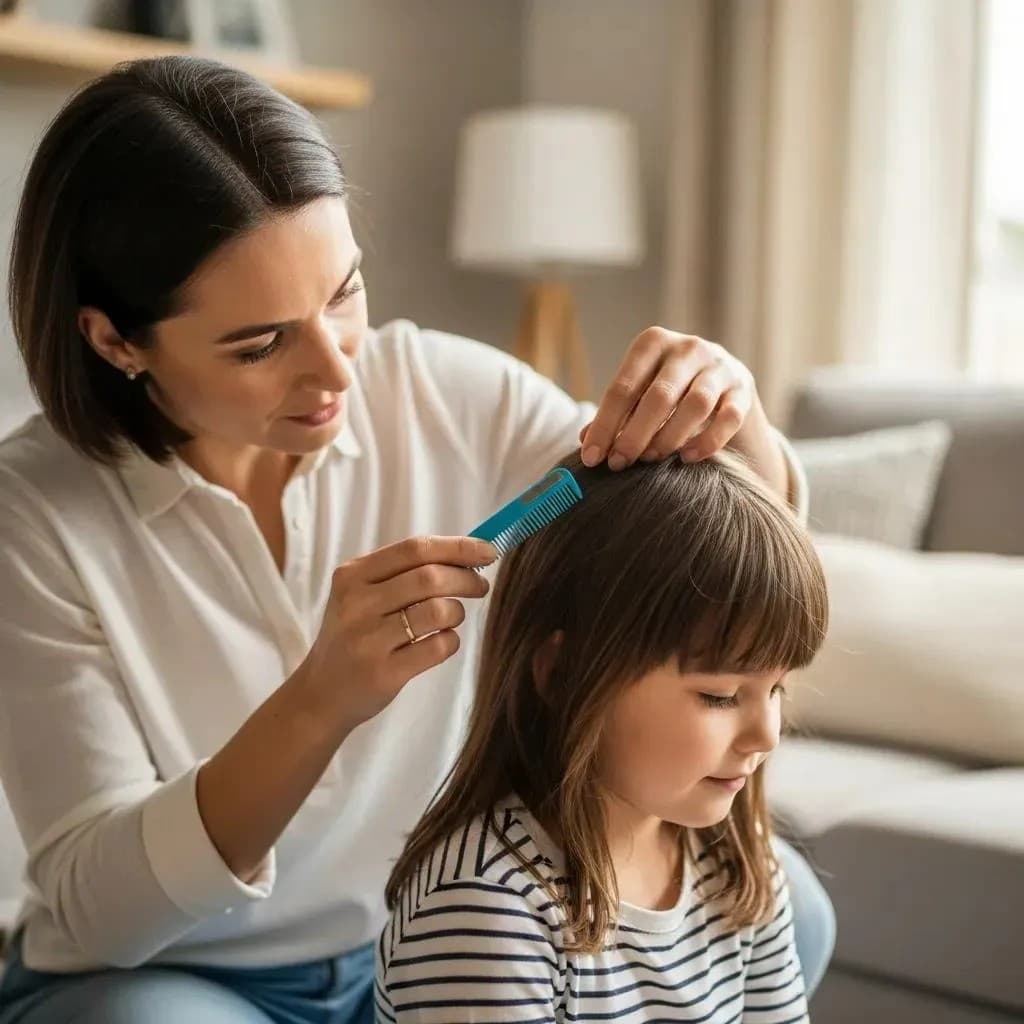
Lice Happens Atlanta, a lice treatment clinic serving the greater Atlanta metropolitan area, reports a measurable rise in head lice cases throughout Georgia schools in 2026. Data compiled from district health reports and school nurse documentation across the state shows the 2025-2026 academic year has produced a notable increase in confirmed infestations compared to previous years. Multiple metro Atlanta school districts reported higher-than-average case numbers per classroom during the first and third quarters, periods that historically see elevated activity following summer camps, holiday gatherings, and extracurricular events. Statewide figures indicate lice-related referrals to school health offices rose by an estimated 20 to 25 percent compared to the same reporting windows two years earlier.
While head lice infestations do not constitute a public health emergency, the emotional impact on families and disruption to school schedules remain considerable. Children identified with active infestations are routinely sent home, causing lost instructional time. Parents then navigate an often confusing market of over-the-counter products, many relying on chemical pesticides such as permethrin or pyrethrin. A growing body of scientific research confirms lice populations across many U.S. regions, including Georgia, have developed resistance to these compounds, significantly reducing effectiveness compared to prior decades.
This resistance issue is central to understanding why outbreaks persist and sometimes spread more broadly before being controlled. When treatment fails to fully eliminate an infestation, the child returns to school still carrying active lice or viable eggs, perpetuating transmission. School-based data from campuses across Fulton County and DeKalb County reflects this pattern, with repeat cases surfacing within weeks of initial reports. Independent research published in peer-reviewed dermatology and pediatric journals confirms widespread "super lice," genetically adapted populations carrying a mutation known as knockdown resistance (kdr). Studies tracking this mutation found it present in lice populations across more than 40 states, with Southern states including Georgia showing particularly high prevalence rates.
In response, Lice Happens Atlanta positions itself as an evidence-based provider of chemical-free treatment, employing thorough manual removal techniques combined with tools and conditioners that work through mechanical action rather than pesticide exposure. This method avoids concerns linked to repeated chemical application on young children, making it relevant for families whose children have sensitive skin, neurological considerations, or other health factors. Practitioners emphasize chemical-free treatment is not simply a lifestyle preference but increasingly the clinically supported path when addressing resistant lice strains.
Prevention strategies recommended by the clinic include avoiding head-to-head contact during group activities, refraining from sharing combs, brushes, hats, helmets, or hair accessories, keeping long hair tied back during school hours, and performing routine visual checks. The clinic collaborates with school administrators to offer structured guidance on managing confirmed cases, recommending a response framework built around prompt effective treatment combined with targeted screening of immediate classmates and household contacts rather than blanket "no-nit" policies that contribute unnecessarily to absences.
Stigma remains one of the most significant barriers to effective lice management, with many families delaying help or avoiding school notification out of embarrassment, directly prolonging outbreaks. Lice Happens Atlanta reinforces that lice infestations carry no association with personal hygiene or socioeconomic background, spreading exclusively through direct head-to-head contact with no preference for clean or dirty hair. Reducing stigma makes it easier for families to act quickly and transparently, benefiting entire school communities.
The broader takeaway from 2026 Georgia school lice data is that communities investing in education and access to professional, effective treatment experience shorter, less widespread outbreaks. Head lice prevention requires accessible, reliable, expert-led treatment backed by consistent communication among clinics, schools, and families. More information about treatment approaches and prevention strategies is available at https://licehappensga.com/.
Source Statement
This news article relied primarily on a press release disributed by Press Services. You can read the source press release here,