Strategic Approaches to Affordable Dental Implants in 2026
April 9th, 2026 1:25 PM
By: Newsworthy Staff
This guide outlines practical strategies for obtaining affordable dental implants in 2026, emphasizing cost-saving methods without compromising quality, including comparing providers, exploring financing, and considering alternatives like dental schools or mini implants.
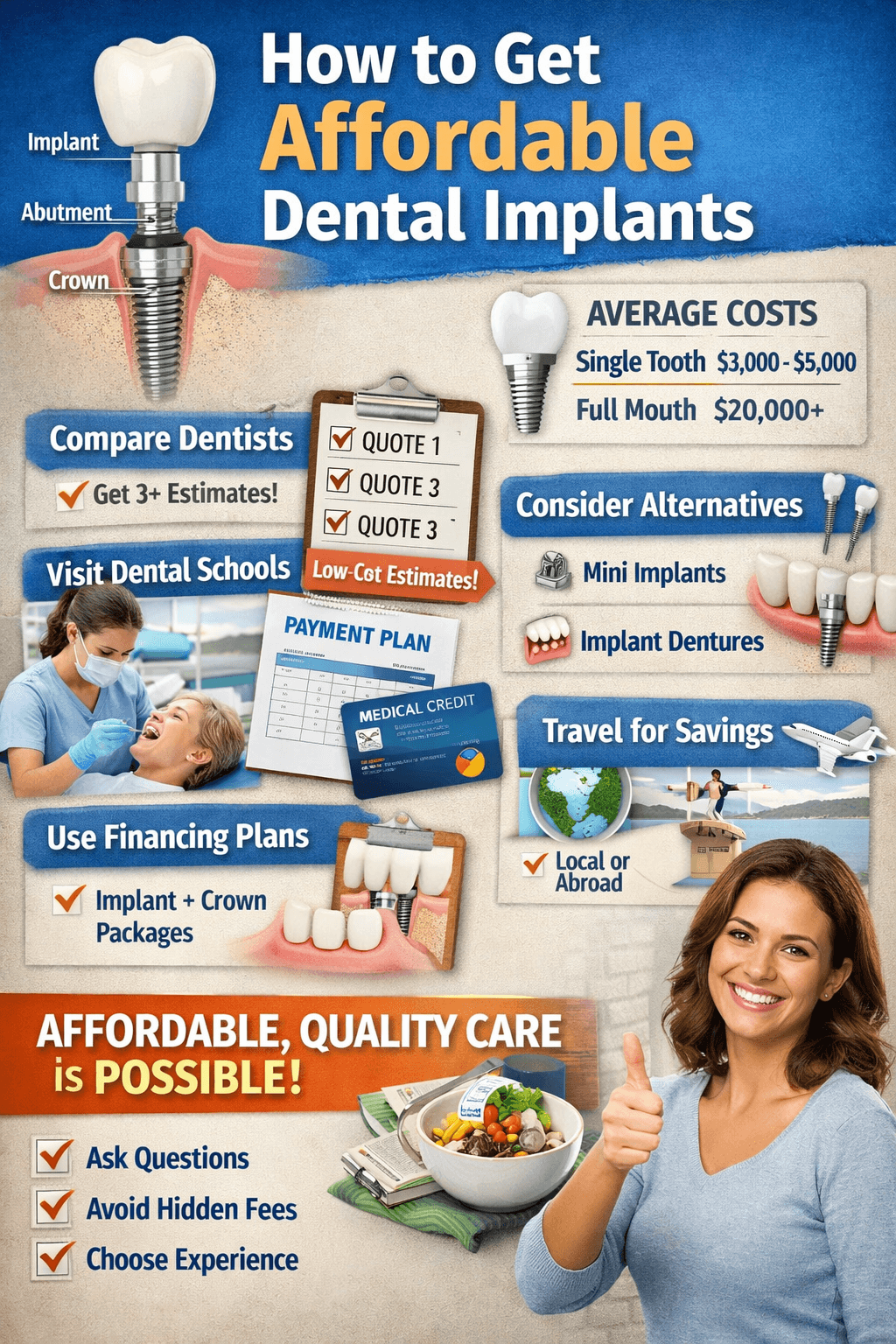
Dental implants represent a significant investment in oral health, often costing thousands of dollars per tooth due to the complexity of the surgical procedure and the long-term durability they offer. Unlike dentures or bridges, implants are surgically placed into the jawbone, involving multiple steps from consultation to final crown placement, which contributes to the higher cost but ensures better, customized results. The total expense typically includes the implant post, abutment, and crown, with potential additional costs for procedures like bone grafting or extractions, making it crucial to understand the breakdown to identify savings opportunities.
In 2026, average costs vary widely: single tooth implants range from $3,000 to $5,000, multiple implants from $6,000 to $15,000, and full mouth implants from $20,000 to $50,000 or more. Location significantly impacts pricing, with urban areas often charging more than smaller cities or dental hubs, prompting some patients to travel for better deals. To reduce these costs, comparing multiple dentists is essential, as prices can differ substantially between clinics, even within the same city. Many clinics offer bundled packages that include all components, which are often cheaper than paying separately, and specialized implant centers may provide lower prices due to higher efficiency and in-house labs.
For budget-conscious individuals, dental schools offer treatments at reduced rates, sometimes up to 50% less than private clinics, with procedures performed by students under professional supervision, though appointments may take longer. Financing options, such as monthly payment plans or medical credit cards like CareCredit, make implants accessible by spreading costs over time. Dental insurance may cover preliminary procedures or part of the crown, while in-house membership plans provide discounts on treatments, helping to lower overall expenses.
Alternative solutions include mini dental implants, which are smaller and less invasive, and implant-supported dentures that use fewer implants to support a full set, both offering cost savings. Traveling domestically or abroad for dental care can also reduce costs, but requires careful research to ensure safety and quality. To avoid hidden fees, patients should ask dentists about all-inclusive pricing and potential follow-up costs, prioritizing quality over cheap deals to prevent complications like infections or implant failure. By employing these strategies, affordable dental implants are achievable, balancing cost with long-term health benefits and improved quality of life.
Source Statement
This news article relied primarily on a press release disributed by Press Services. You can read the source press release here,