Strategies for Obtaining Affordable Dental Implants While Maintaining Quality
January 29th, 2026 5:05 AM
By: Newsworthy Staff
This article outlines practical approaches to securing cost-effective dental implant treatments without sacrificing quality, emphasizing comparison shopping, alternative financing, and careful provider selection.
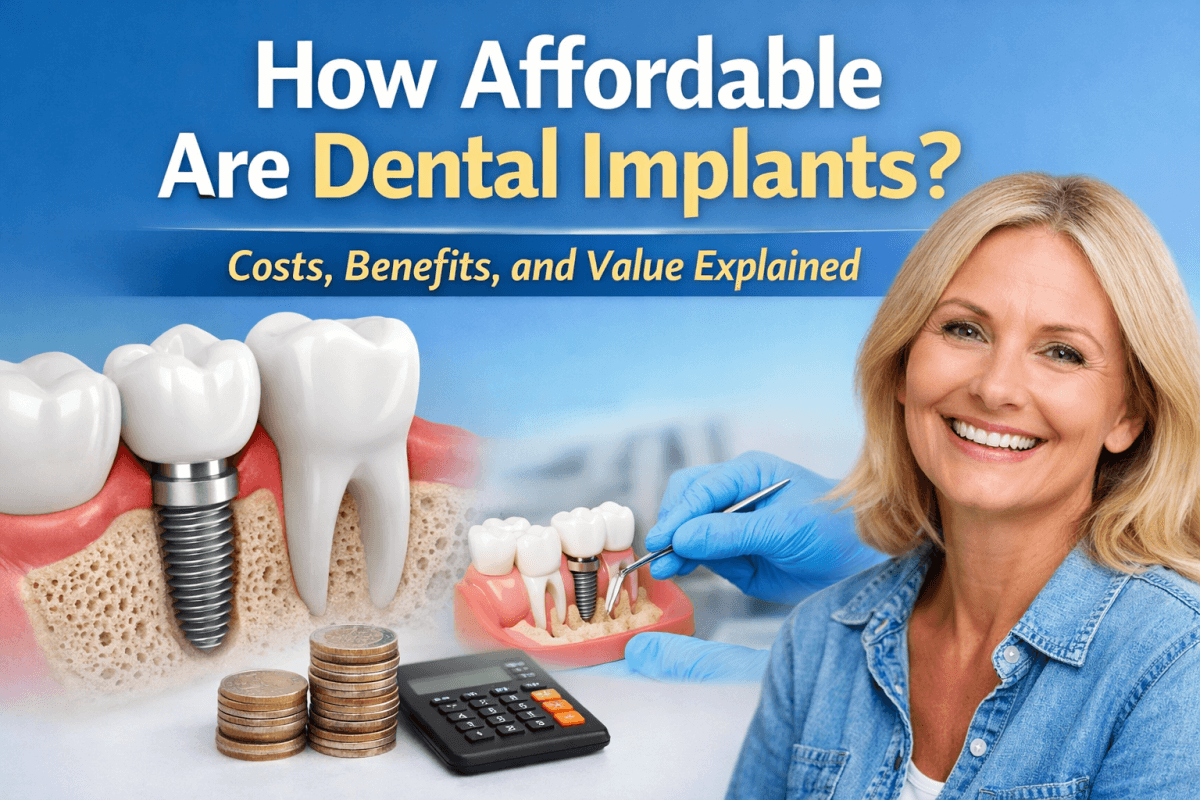
Dental implants can represent a significant financial investment, but there are strategies to obtain them affordably without compromising on quality. The procedure involves multiple components including advanced imaging, surgical placement, high-quality materials, and skilled dental expertise, which collectively contribute to the cost. However, affordable options exist through careful planning and informed decision-making.
Location and the specific dental clinic play crucial roles in pricing, with clinics in major metropolitan areas typically charging more due to higher overhead costs compared to those in smaller towns or suburbs. The dentist's experience level also affects cost, as more experienced practitioners may charge higher fees but often reduce the risk of complications. Material choice is another factor, with titanium implants generally being more affordable than zirconia alternatives.
Patients seeking affordability should obtain multiple consultations and compare all-inclusive prices from different providers. Dental schools frequently offer implant treatments at reduced rates, with procedures performed by advanced students under expert supervision, though treatment timelines may be longer. Many clinics provide payment plans through in-house financing or third-party lenders, making the expense more manageable through monthly payments.
Dental tourism presents another option, with some patients traveling abroad for implants at lower costs, though this approach requires careful consideration of travel expenses, follow-up care challenges, and potential variations in medical standards. Most dental insurance plans do not fully cover implants but may cover associated procedures like tooth extractions, crowns, or X-rays, which can reduce overall expenses.
Alternative financing options include health savings accounts (HSAs), flexible spending accounts (FSAs), and medical credit programs. For those who cannot pursue implants immediately, alternatives like modern dentures or dental bridges offer more affordable short-term solutions, though they typically require replacement every 5-10 years compared to implants that can last decades with proper care.
To avoid hidden costs, patients should clarify whether consultations, scans, bone grafts, follow-up appointments, medications, and adjustments are included in quoted prices. When evaluating providers, patients should be wary of prices that seem unrealistically low, lack of clear treatment plans, or absence of credentials and reviews. Proper vetting includes reading verified reviews, inquiring about implant success rates, and requesting before-and-after photos.
Affordable implants do not mean exceptionally low prices but rather represent fair costs for quality materials and proper care. The investment should be viewed as long-term value rather than merely a one-time expense. By thoroughly comparing options, understanding all cost components, and selecting reputable providers, patients can achieve both quality outcomes and financial accessibility for dental implant treatments.
Source Statement
This news article relied primarily on a press release disributed by Press Services. You can read the source press release here,