Student Housing Operators Prioritize Wellness and Retention Strategies for 2026
December 19th, 2025 2:21 PM
By: Newsworthy Staff
Student housing operators are shifting focus toward retention strategies and comprehensive wellness programming as pre-leasing patterns stabilize, recognizing that experience-driven amenities and partnership management models create competitive advantages in university markets.
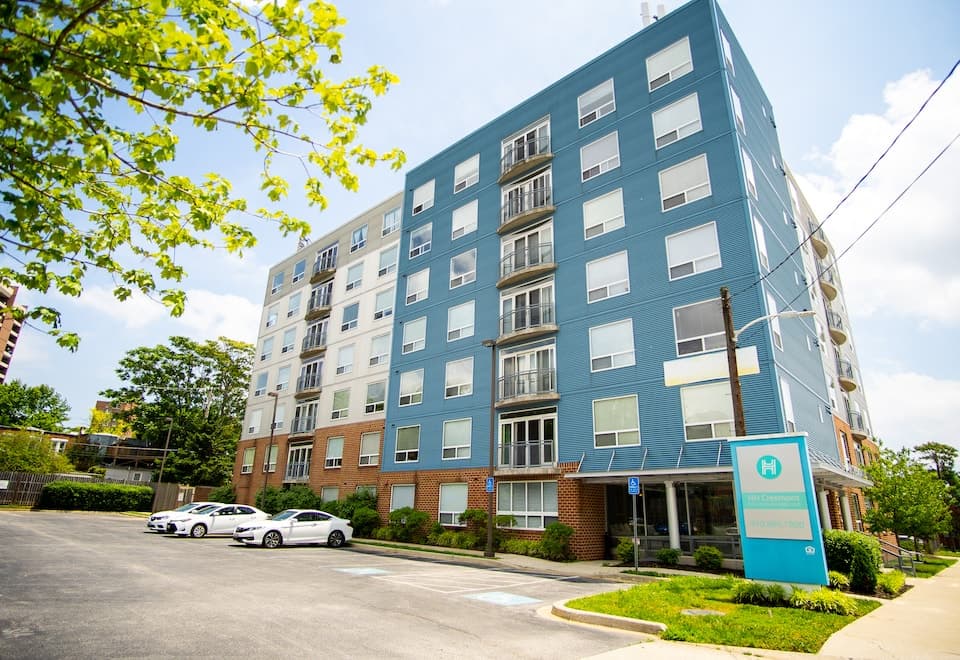
Student housing operators entering 2026 are prioritizing renewal foundations and wellness-focused amenities as pre-leasing momentum for fall 2026 shows consistency with previous years despite earlier holiday period timing. HH Red Stone, which manages student housing properties across university markets, reports that retention strategies have become central to lease-up success as operators navigate market conditions requiring more sophisticated approaches than pre-pandemic cycles. Early fall 2026 pre-leasing activity reached 47% in December, up from 40% the previous year, though Senior Vice President Teddy Abdelmalek notes the current post-holiday period represents a natural lull in leasing velocity before activity accelerates in early 2026.
Beyond standard fitness centers and technology integration, student housing operators are discovering differentiation through comprehensive wellness programming that addresses both physical and mental health. Wellness-focused amenities now extend beyond equipment provision to include strength and functional training zones, cardio spaces in open areas, and community fitness programming, including Pilates and yoga. Some properties offer virtual fitness classes, providing residents access to guided instruction without requiring on-site staff for every session. The wellness approach encompasses mental health considerations through intentional space design. Individual study pods, 24/7 access to quiet work areas, and collaborative conference spaces serve academic performance while addressing the social isolation concerns that emerged during pandemic remote learning.
Design elements contributing to wellness include natural lighting through strategic window placement, living plants, noise control systems, and sensory-friendly materials. Meditation areas and decompression spaces provide alternatives to high-energy social zones. The shift toward wellness programming reflects the broader repositioning of student housing from an accommodation provider to an experience creator. Properties compete not merely on unit quality and location but on lifestyle delivery. This experience-driven approach recognizes that students increasingly evaluate housing decisions based on community quality and lifestyle support rather than solely on price and proximity to campus. The COVID-19 pandemic accelerated this trend by demonstrating the importance of social infrastructure and mental health support within residential environments.
HH Red Stone’s operational philosophy centers on alignment with property ownership rather than traditional fee-based management incentive structures. The approach contrasts with conventional property management, where success metrics focus on occupancy and revenue generation without direct exposure to investment performance. HH Red Stone’s model creates what Abdelmalek describes as managing as if you have an equity stake in the game. This alignment manifests through hands-on operational involvement, disciplined systems, and accountability structures that tie management performance to overall property investment returns rather than isolated operational metrics. The philosophy addresses industry dynamics where property management companies can generate consistent fees while underlying property investments underperform.
Looking ahead to 2026, HH Red Stone anticipates that operators emphasizing renewal foundations and comprehensive wellness programming will outperform competitors focused solely on acquisition and initial lease-up. The renewal-heavy approach recognizes that returning residents provide both revenue certainty and operational efficiency compared to complete annual turnover. Properties maintaining strong retention rates face lower marketing costs, reduced turnover expenses, and more predictable occupancy throughout lease-up periods. Wellness programming serves retention objectives by creating differentiation that justifies renewal decisions even when competing properties offer comparable units at similar pricing. Students experiencing genuine community and lifestyle benefits develop loyalty that transcends simple price comparison. The combination of being renewal-focused and incorporating operational excellence represents what Abdelmalek characterizes as managing differently rather than simply managing to collect a fee.
Source Statement
This news article relied primarily on a press release disributed by Keycrew.co. You can read the source press release here,