Study Reveals AI Tool Overload Causes Mental Exhaustion in Workplace
March 11th, 2026 2:05 PM
By: Newsworthy Staff
A recent study indicates that excessive use of multiple AI tools at work leads to mental exhaustion among employees, challenging assumptions about AI's productivity benefits.
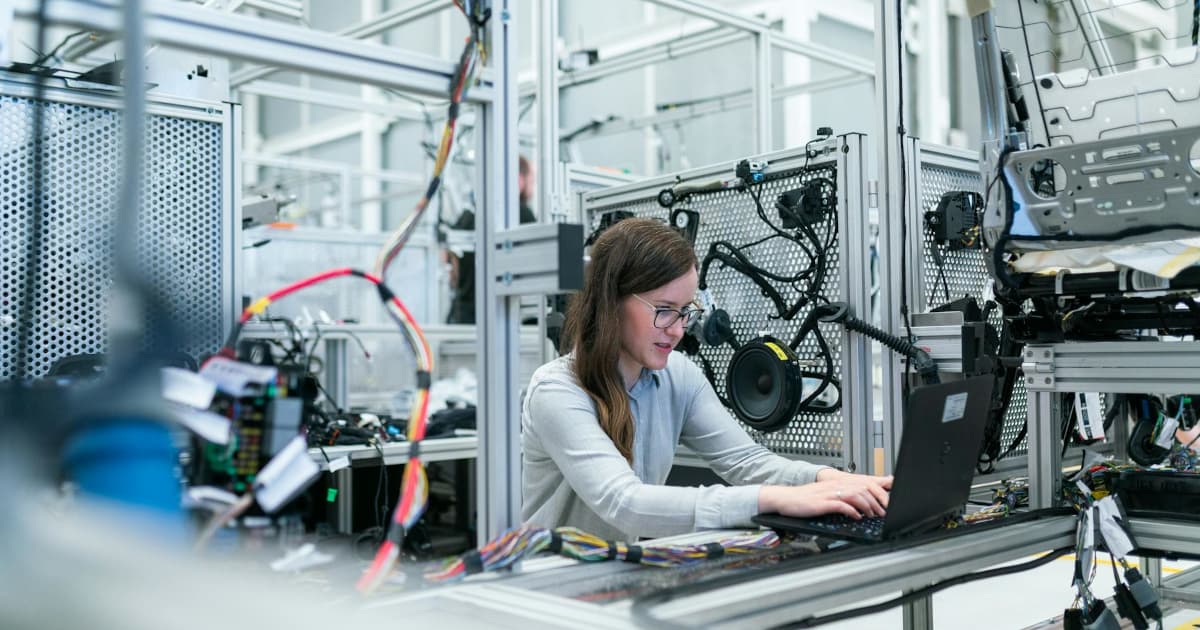
A recent study suggests that using too many artificial intelligence tools at work may create a new kind of mental exhaustion for employees, despite AI often being described as a tool that will make work easier and faster. Many companies are introducing AI systems to help employees complete tasks, analyze information, and improve productivity, but the research indicates potential negative psychological effects from tool overload. As with any new technology, there is always a learning curve as the kinks are ironed out, and businesses on the cutting edge of implementation must consider these human factors.
The phenomenon described as "brain fry" represents a significant concern for workplace wellbeing and productivity management. While AI tools are designed to streamline processes and reduce cognitive load, the study suggests that constantly switching between multiple AI systems, learning new interfaces, and managing AI-generated outputs can actually increase mental fatigue. This finding challenges the common narrative that more technology automatically translates to better efficiency, highlighting instead that implementation strategy and tool integration matter significantly.
Companies implementing AI solutions must consider how tool proliferation affects their workforce's mental resources. The study's implications extend beyond individual employee wellbeing to organizational performance metrics, as mentally exhausted workers typically show decreased productivity, increased error rates, and higher turnover likelihood. This research adds nuance to the conversation about workplace technology adoption, suggesting that a measured, integrated approach to AI implementation may yield better results than simply adding more tools to employees' digital arsenals.
The findings have particular relevance for technology-forward companies and those in rapidly digitizing industries. As businesses like D-Wave Quantum Inc. (NYSE: QBTS) continue developing advanced technological solutions, understanding the human impact of these tools becomes increasingly important. The study serves as a reminder that technological advancement must be balanced with human factors considerations, and that optimal workplace technology ecosystems likely involve careful curation rather than maximal accumulation of available tools.
For more information about technology communications and research dissemination, visit https://www.TechMediaWire.com. Additional details about terms of use and disclaimers can be found at https://www.TechMediaWire.com/Disclaimer. The study's findings contribute to growing research about technology's psychological impacts in workplace settings, suggesting organizations should approach AI adoption with both technological and human considerations in mind to avoid unintended consequences like the mental exhaustion identified in this research.
Source Statement
This news article relied primarily on a press release disributed by InvestorBrandNetwork (IBN). You can read the source press release here,
