Supreme Court Gun Ownership Case Creates Unusual Alliances with Marijuana Industry Implications
March 3rd, 2026 9:25 PM
By: Newsworthy Staff
A U.S. Supreme Court case involving firearm rights for marijuana users has created unexpected political alliances and could significantly impact the cannabis industry's regulatory landscape.
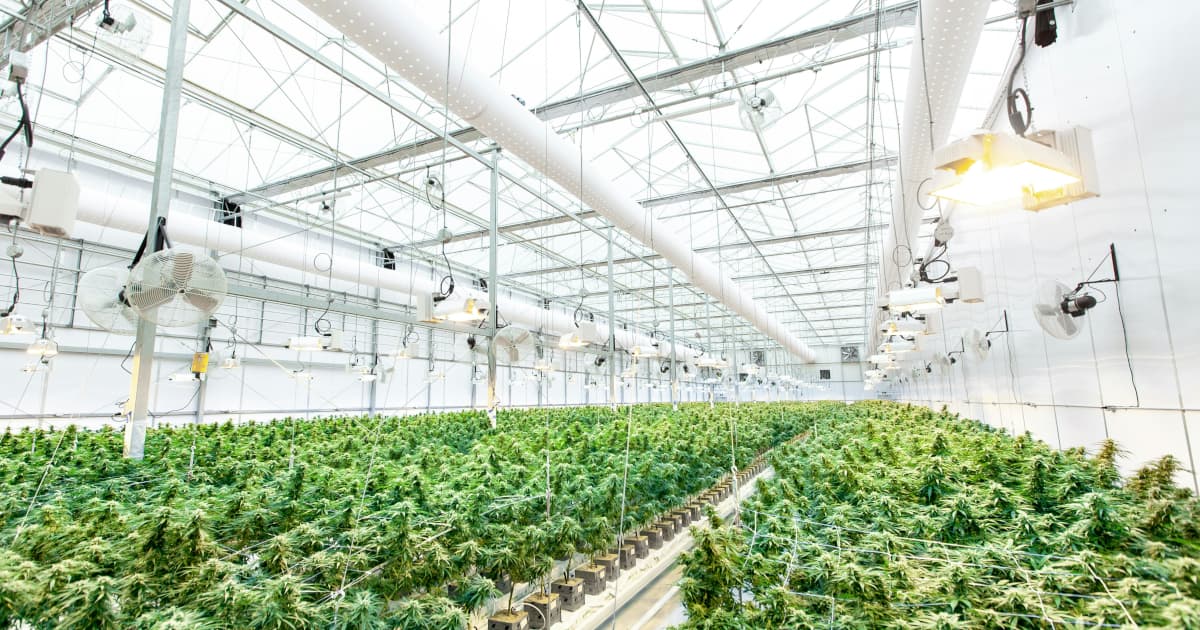
The intersection of firearm rights and marijuana policy has reached the U.S. Supreme Court in a case that has produced unusual political alliances, with implications that could reshape both legal landscapes. Two issues that typically occupy separate political spheres—gun ownership and cannabis regulation—are now colliding at the highest judicial level, creating unexpected partnerships between groups that rarely share common ground. This development represents a significant moment in American jurisprudence where two of the most contentious social policy debates of recent decades converge.
The case before the Supreme Court addresses whether individuals who use marijuana can be prohibited from owning firearms under federal law, despite state-level legalization of cannabis. This legal question has brought together organizations and advocates who normally oppose each other on political matters, creating alliances that defy traditional partisan divisions. The outcome of this case could establish important precedents regarding how federal and state laws interact in areas where they conflict, particularly concerning substances that remain illegal at the federal level but have been legalized by numerous states.
The entire marijuana industry, including major companies like Curaleaf Holdings Inc., is likely to closely monitor this Supreme Court proceeding. The decision could have substantial implications for cannabis businesses and consumers, potentially affecting everything from employment policies to banking relationships and regulatory frameworks. A ruling that restricts firearm ownership for marijuana users could create additional legal complications for the industry, while a decision in the opposite direction might signal greater federal accommodation of state cannabis laws.
This case emerges against the backdrop of a rapidly evolving cannabis industry that has transformed from a largely underground market to a legitimate sector with significant economic impact. The Supreme Court's consideration of this issue reflects how marijuana policy has moved from the margins to the mainstream of American legal discourse. The decision could influence how other federal agencies approach cannabis-related matters, potentially affecting enforcement priorities and regulatory interpretations across multiple government departments.
The unusual alliances formed around this case highlight the complex legal landscape surrounding cannabis in the United States, where state and federal laws frequently conflict. Organizations that typically advocate for expanded gun rights have found themselves aligned with groups supporting marijuana legalization, while some traditional drug policy opponents have joined with gun control advocates. These shifting alliances demonstrate how specific legal questions can create unexpected convergences of interest in American politics and law.
For more information about regulatory developments in the cannabis industry, visit https://www.CannabisNewsWire.com. The terms of use and disclaimers applicable to all content are available at https://www.CannabisNewsWire.com/Disclaimer. The Supreme Court's eventual ruling in this case will likely have lasting consequences for how American society navigates the ongoing tension between state autonomy and federal authority in controversial policy areas.
Source Statement
This news article relied primarily on a press release disributed by InvestorBrandNetwork (IBN). You can read the source press release here,