Tariffs and Infrastructure Demand Drive Concrete Costs Up 3-7% in 2026, Indianapolis Contractor Warns
April 28th, 2026 11:25 AM
By: Newsworthy Staff
Homeowners planning driveway projects in 2026 face 3-7% higher concrete costs due to tariffs on imported cement and competition from federal infrastructure projects, requiring early scheduling and careful budgeting.
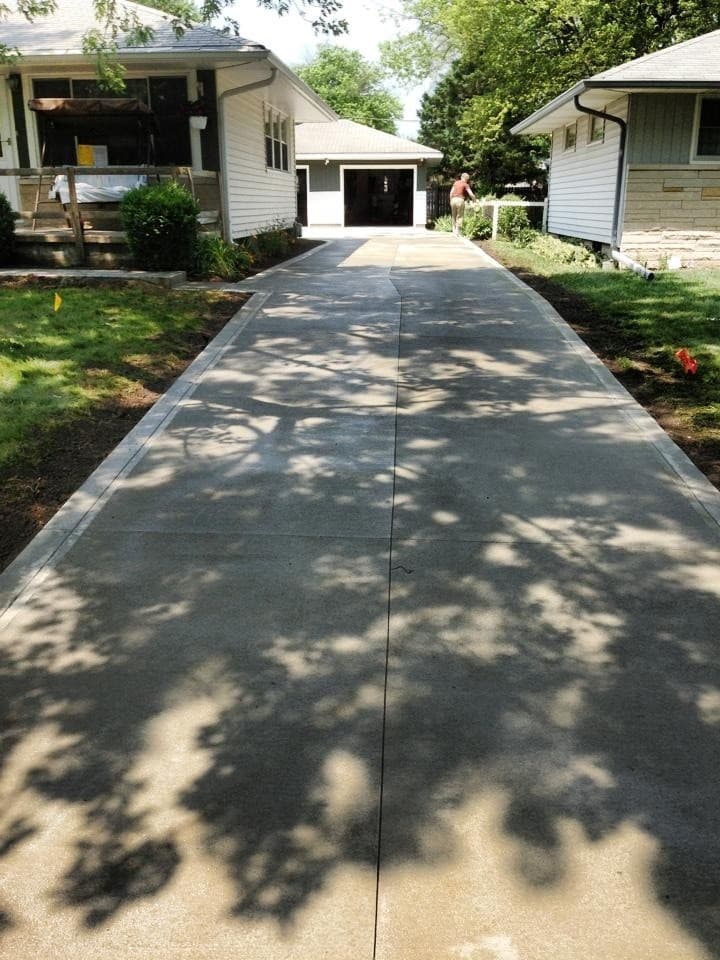
Residential concrete costs have climbed 3 to 7 percent from 2025 levels as tariffs on imported cement and heightened demand from federal infrastructure projects reshape the pricing landscape for homeowners, according to industry data compiled by construction cost analysts. For Indianapolis-area residents planning driveway replacements or new installations this spring and summer, the shift calls for more careful budgeting and earlier scheduling than in previous years.
The cost increase stems primarily from two converging forces. A 25 percent tariff on cement imports from Canada and Mexico — which together supply approximately 7 million metric tons annually to the U.S. market, according to the Portland Cement Association — has tightened supply and raised prices for ready-mix concrete in regions dependent on imported material. Simultaneously, continued spending under the Infrastructure Investment and Jobs Act has directed billions in federal funding toward highway, bridge and municipal projects, creating competition for the same concrete supply, delivery trucks and skilled labor that residential contractors rely on.
The tariff impact on a typical residential project is more nuanced than a blanket 25 percent price increase. Cement accounts for roughly 10 to 15 percent of the total cost of ready-mix concrete. When that tariff ripples through the supply chain — affecting production, transportation and energy costs — the cumulative effect on a standard driveway pour adds between $40 and $375 to the material cost, depending on project size and regional supply dynamics, according to CostFlowAI's 2026 concrete pricing analysis. For homeowners planning a concrete driveway Indianapolis contractors note that material costs in 2026 range from approximately $6,000 to $12,000 for a standard 600-square-foot pour, depending on thickness, finish and reinforcement choices. That range has widened from previous years, driven largely by the tariff-affected price of cement and a 5 to 10 percent increase in rebar costs due to separate steel and aluminum import duties.
Domestically produced cement, however, has remained relatively stable. IBISWorld projects domestic cement prices will rise just 0.6 percent in 2026, to $163.9 per metric ton, following a modest 1.8 percent increase in 2025. The distinction matters: homeowners working with contractors who source domestic cement may see smaller price impacts than those in regions more dependent on imported supply. Indiana, with its proximity to domestic cement plants in the Midwest, is generally better positioned than coastal states that rely more heavily on imports.
Beyond pricing, the competition between public infrastructure and residential projects creates scheduling pressure that many homeowners do not anticipate. When local ready-mix plants prioritize highway or municipal contracts — which carry larger volumes and tighter deadlines — residential pours can be delayed or pushed to less favorable time slots. Weekend delivery premiums of $8 to $10 per cubic yard are standard at most ready-mix plants, and short-load fees of $40 to $60 per cubic yard apply when orders fall below a full 10-yard truckload. For a smaller residential pour requiring only 2 to 3 cubic yards, the short-load surcharge alone can add $100 to $150.
Despite the price increases, concrete remains one of the most cost-effective driveway materials when evaluated over its full lifespan. A properly installed concrete driveway can last 25 to 30 years with basic maintenance, compared to asphalt surfaces that typically require resurfacing every 10 to 15 years. The 2026 U.S. Houzz Renovation Plans Report found that 75 percent of homeowners planning renovations in 2026 expect to spend $10,000 or more on their projects, and 63 percent cited rising costs as their top concern — yet 91 percent said they still plan to move forward.
For homeowners looking to manage concrete project costs in the current market, industry experts recommend obtaining at least three quotes from local contractors, asking about price locks that guarantee pricing for 30 to 60 days, and combining multiple concrete projects into a single pour to avoid duplicate delivery fees and short-load surcharges. Timing also plays a role: spring and early summer remain the preferred pour season in Central Indiana because moderate temperatures between 50 and 70 degrees Fahrenheit create optimal curing conditions.
Industry analysts do not expect a dramatic spike in concrete costs beyond the current 3 to 7 percent range. The Sullivan Report projects 2026 as the trough of the current demand cycle at approximately 100 million tons of domestic cement consumption. If interest rates ease in the second half of 2026 and construction activity rebounds, a modest additional price increase is possible, but the fundamentals point to stabilization rather than runaway cost escalation.
Source Statement
This news article relied primarily on a press release disributed by Press Services. You can read the source press release here,