U.S. Banks Face Mounting Pressure from Rising Operational Costs in 2026
January 23rd, 2026 2:05 PM
By: Newsworthy Staff
The U.S. banking sector is grappling with increasing operational costs that are significantly impacting profits, forcing institutions to innovate in expense management and revenue expansion to navigate a challenging financial environment.
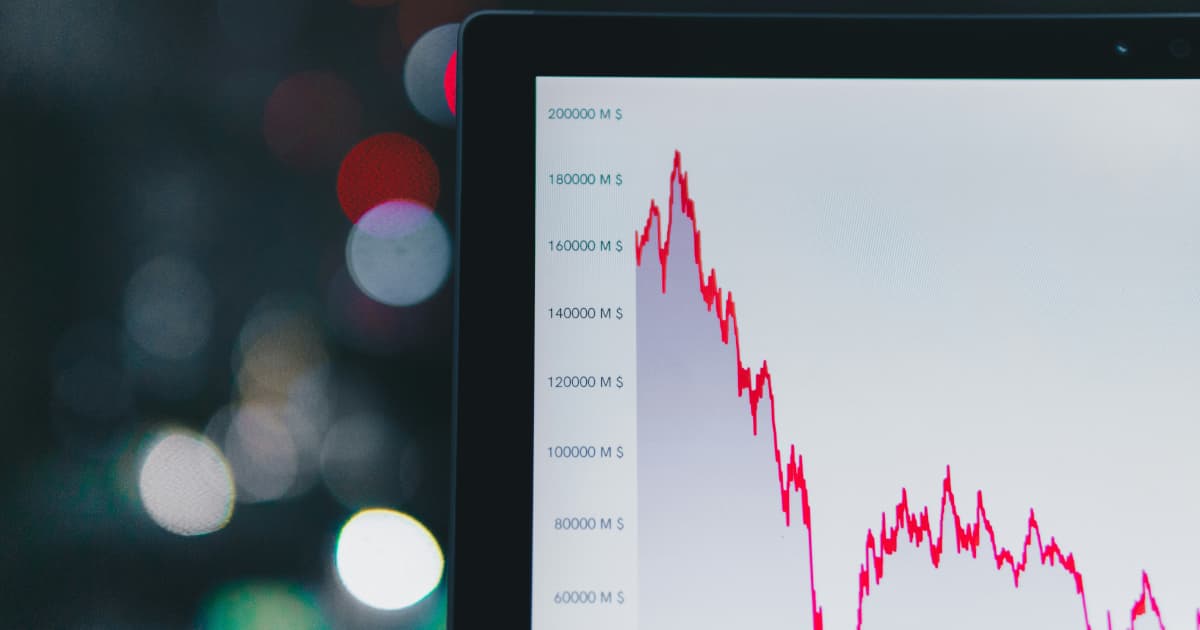
The U.S. banking sector is entering 2026 under growing pressure as rising operational costs begin to eat deeply into profits. For years, high interest rates made it easier for banks to grow earnings. That period is now fading. What remains is a tougher environment where controlling expenses has become just as important as generating revenue. Entities like B. Riley Financial Inc. within the banking space now have to find innovative ways to keep rising costs in check while also expanding their income streams in order to ride out this financial squeeze. The shift marks a significant departure from the previous era where revenue generation alone could drive profitability, highlighting a new reality where operational efficiency is paramount.
The implications of this trend are far-reaching for the banking industry. As costs continue to climb, banks must reassess their operational models and implement strategic changes to maintain profitability. This pressure comes at a time when the financial landscape is already complex, with regulatory requirements, technological investments, and competitive pressures all contributing to the cost burden. The need for innovation extends beyond traditional banking services to encompass digital transformation, process optimization, and workforce management strategies that can deliver sustainable cost reductions without compromising service quality or compliance standards.
Financial institutions that fail to adapt to this new cost-conscious environment risk seeing their profit margins erode further, potentially impacting their ability to invest in growth initiatives or return value to shareholders. The situation underscores the importance of proactive management and strategic planning in an industry where external economic factors can quickly alter the competitive landscape. For more information about financial communications platforms that cover such industry developments, visit https://www.BillionDollarClub.com. The platform provides access to specialized content and distribution services that help companies navigate complex market environments.
The broader economic context adds another layer of complexity to the banking sector's challenges. While interest rates provided a buffer in previous years, their stabilization or potential decline removes that advantage, forcing banks to confront their cost structures more directly. This transition requires careful balancing between necessary investments in technology and infrastructure and the imperative to control expenses. The banking industry's response to these pressures will likely shape its trajectory for years to come, influencing everything from customer service models to product offerings and market positioning. The full terms of use and disclaimers applicable to content from financial communications providers can be found at https://www.BillionDollarClub.com/Disclaimer.
As 2026 approaches, the banking sector's ability to manage operational costs while continuing to grow revenue streams will be a critical determinant of its overall health and stability. The convergence of these factors creates a pivotal moment for industry leaders to demonstrate strategic agility and operational excellence. The outcome will not only affect individual institutions but could also influence the broader financial system's resilience in the face of economic uncertainties. This period of adjustment represents both a challenge and an opportunity for banks to reinvent their approaches to profitability in an increasingly cost-sensitive environment.
Source Statement
This news article relied primarily on a press release disributed by InvestorBrandNetwork (IBN). You can read the source press release here,