Why China Is Unlikely to Use More Coal Even as Iran War Drives Fossil Fuel Prices Higher
May 18th, 2026 2:05 PM
By: Newsworthy Staff
Despite soaring oil and gas prices due to the Iran conflict, China's coal market structure makes a significant increase in coal consumption unlikely.
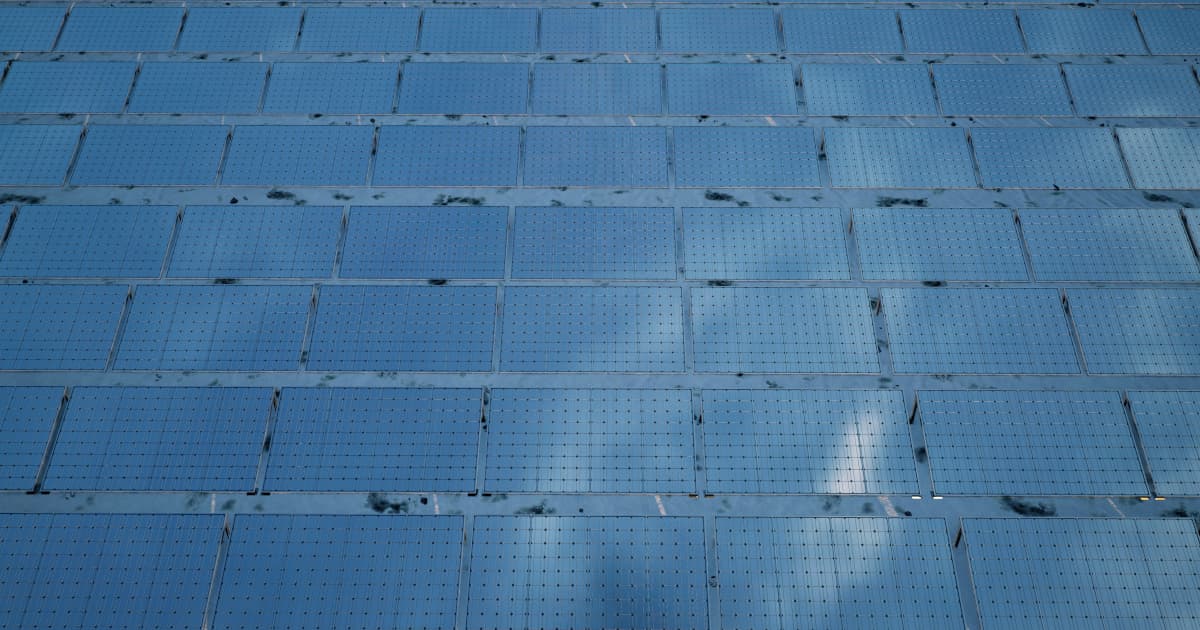
Fighting in Iran has sent oil above $100 a barrel, roughly doubled LNG prices across Asia, and pushed coal higher too. When oil and gas grow costly, coal starts to look like the cheaper alternative, and the conventional wisdom holds that consumption will follow. In China, however, the way its coal market is structured means that outcome is far less certain than it looks.
China is the world's largest coal consumer, but its coal market is heavily regulated and influenced by government policies aimed at reducing carbon emissions and improving air quality. The country has set ambitious targets to peak carbon emissions by 2030 and achieve carbon neutrality by 2060. As a result, Beijing has been capping coal consumption and promoting cleaner energy sources. Even with higher global energy prices, China's domestic coal prices are subject to government intervention, including price controls and production quotas, which can limit the pass-through of international price spikes to domestic consumers.
Moreover, China has been aggressively expanding its renewable energy capacity, including wind, solar, and hydroelectric power. In 2023, China added a record amount of renewable energy capacity, and renewables now account for a significant share of its electricity generation. This diversification reduces the country's reliance on coal, even in times of high fossil fuel prices.
Additionally, China has been investing in long-term natural gas supply contracts and building LNG import infrastructure, which provides an alternative to coal for power generation and industrial use. While LNG prices have risen sharply, China's strategic reserves and diversified supply sources help mitigate the impact.
Meanwhile, firms like Frontieras North America Inc. are developing novel ways to reduce emissions from coal and other fossil fuels, but such technologies are not yet widely deployed in China.
In conclusion, while the Iran war has driven up global energy prices, China's unique coal market structure, strong policy commitment to decarbonization, and rapid expansion of renewable energy make it unlikely that the country will significantly increase coal consumption. Instead, China is expected to continue its transition toward cleaner energy sources, even as it navigates the current geopolitical turmoil.
Source Statement
This news article relied primarily on a press release disributed by InvestorBrandNetwork (IBN). You can read the source press release here,