Why Retiring to Tucson Depends on Choosing the Right Neighborhood, Not Just the City
June 9th, 2026 8:03 PM
By: Newsworthy Staff
Retirees moving to Tucson often regret their neighborhood choice after relying on friends' recommendations, but a comprehensive city tour can reveal better options that match their actual lifestyle preferences.
Most articles about retiring to Tucson lead with sunshine and low taxes. Those things are real. But they leave out the conversation that actually matters: where you live inside this city changes everything about whether you are happy here five years from now.
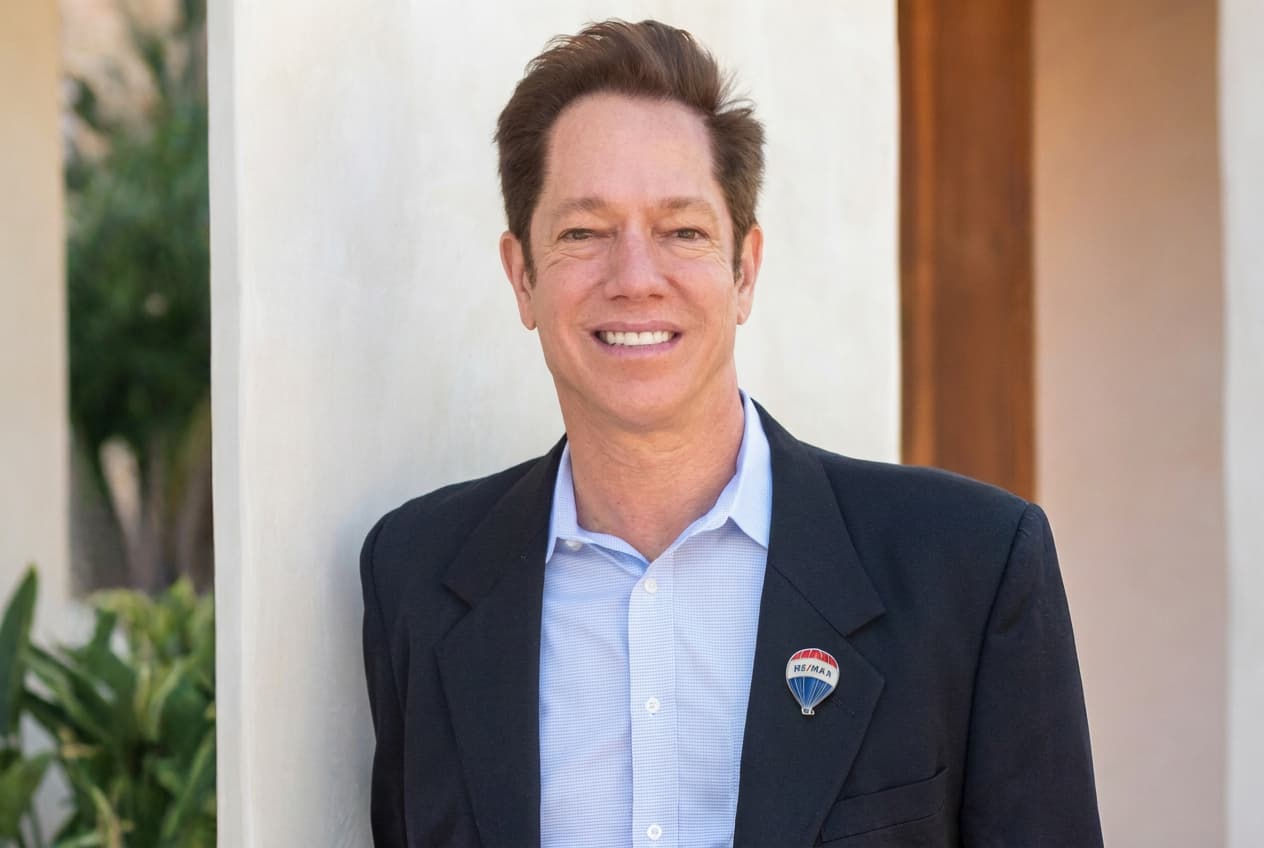
Tony Ray Baker has been selling residential real estate at SeeTucsonHomes.com and across the greater Tucson metro for over 30 years. In that time, he has watched the same mistake play out again and again. Buyers arrive with a neighborhood in mind, often because a friend recommended it, and they purchase without ever seeing the rest of the city. Some of them are happy. Others call him six months later.
Tucson draws retirees for legitimate reasons. The city sits at 2,600 to 3,000 feet above sea level, which contributes to cleaner air and a mild desert climate that doctors around the world have long recommended for respiratory health. Arizona does not tax Social Security income. Housing costs run about five to six percent below the national average, and the overall cost of living tracks close to the national average on everything else. UNESCO named Tucson the first city in North America designated a City of Gastronomy, and the IFEA has ranked it among the top cities in the world for festivals and cultural events. There is genuinely a lot to like.
But planned retirement communities, the 55-plus developments that dominate most people’s idea of retiring to the Southwest, sit on the outskirts of the city. They offer golf, pickleball, and chain restaurants. For retirees who want walkability, city life, and access to arts and dining, there are other options in Tucson that most people never see because nobody points them there.
Tony Ray and his team give every relocation client a two to three hour tour of the metro before they look at a single listing. They have done this for years, long before it became a selling point. The model grew out of a contract with Raytheon that sent dozens of engineers to Tucson at once. Instead of taking buyers one at a time, Tony Ray loaded 16 into a van and showed them the whole city. It worked so well he kept doing it. His company now owns Tucson Trolley Tours, which grew directly from that practice.
The tour reliably surfaces what buyers actually want, which is often different from what they thought they wanted. Clients who arrived convinced they needed Green Valley have walked away choosing a neighborhood in Tucson’s city core instead, because the tour showed them they could walk to dinner, take a streetcar to a show, and have a bakery at the end of the street.
“We have 55-plus neighborhoods within the Tucson core that get you to restaurants, opera, and theater,” Tony Ray says. “A client could have a couple glasses of wine, take a rideshare, and see the theater. That would have been much harder had they bought further out.”
For buyers weighing the financial side, Tony Ray puts the cost of living comfortably in Tucson at roughly $36,000 to $54,000 a year, covering housing, healthcare, and insurance. That works out to $3,000 to $4,500 per month, which for many retirees falls within or close to a Social Security income. Entry-level homes in the market start around $350,000. The luxury threshold, by Tony Ray’s definition, begins around $1.2 million. High-end homes in the $800,000 range represent the top of the mid-tier market.
The city also offers easy access to dramatically different environments. The Pacific coast is about three and a half hours away. The White Mountains, with cold weather and pine trees, are about the same distance. Most of what people want from a varied lifestyle is reachable within a half day’s drive.
Buyers considering a relocation to Tucson can review the range of available communities and residential options at seetucsonhomes.com/home-buyers.
Tony Ray’s consistent observation is that friends recommending specific neighborhoods is one of the most common drivers of buyer regret. People who love where they live want company, and they want their choices validated. That is completely understandable. It is just not a substitute for seeing your full range of options before you commit.
For retirees moving to Tucson, the city offers far more variety than the brochures suggest. The question is not whether Tucson is a good place to retire. For most people, it is. The question is which version of Tucson fits the life you actually want to live.
Source Statement
This news article relied primarily on a press release disributed by Keycrew.co. You can read the source press release here,