Why Social-Emotional Skills in Pre-K Are Key to Kindergarten Success
August 31st, 2026 12:00 AM
By: Newsworthy Staff
A new emphasis on social-emotional and executive function skills in pre-K programs highlights their critical role in kindergarten readiness, beyond just academics.
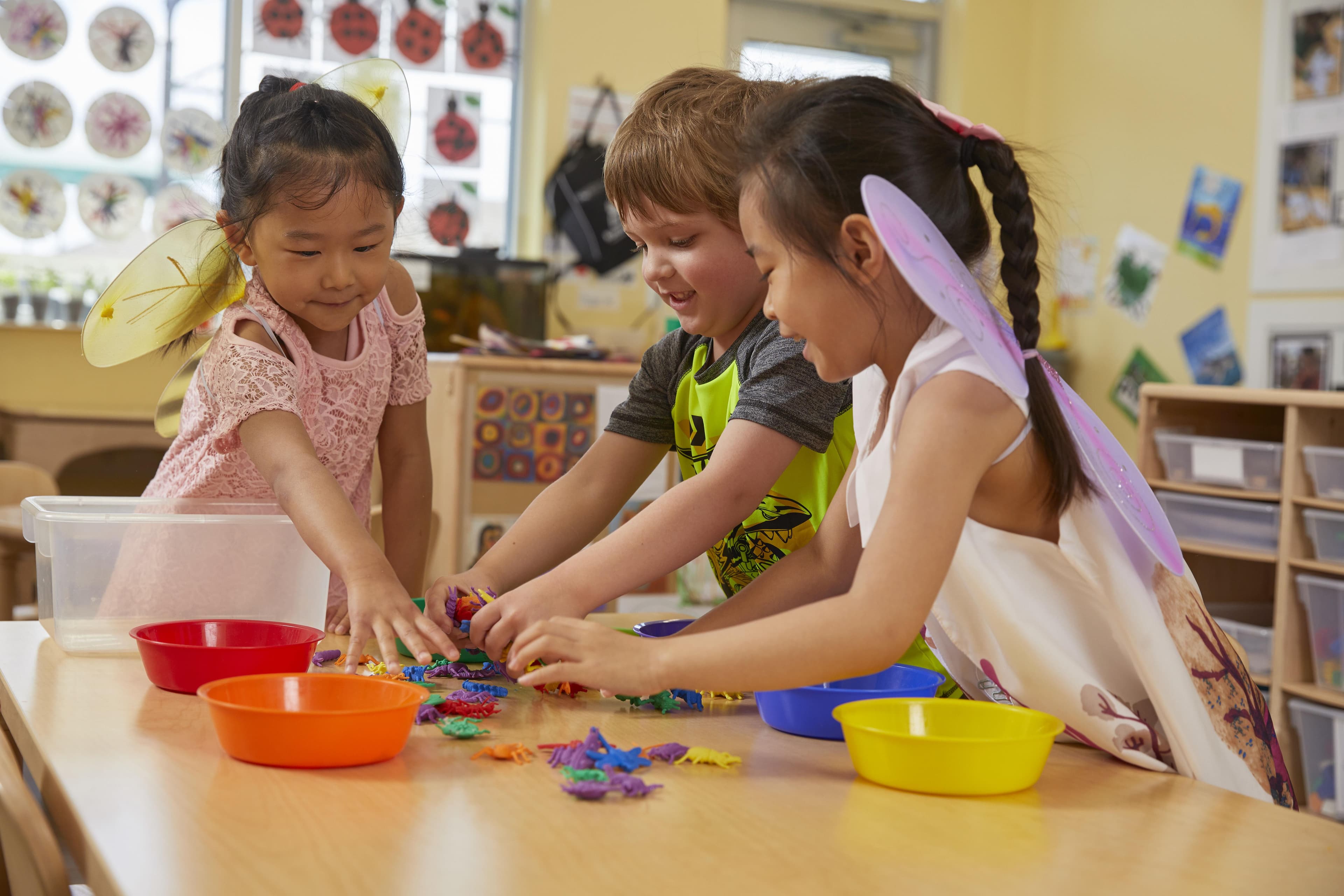
Many parents believe kindergarten readiness begins with mastering letters, numbers, and writing one's name. While these academic skills are important, educators emphasize that the social-emotional and executive function skills children develop before entering elementary school are equally vital. These foundational abilities—such as sharing, taking turns, resolving conflicts, and building independence—are cultivated in high-quality pre-K programs and are essential for a smooth transition to kindergarten.
According to Dr. Lisa Grant, vice president of KinderCare Learning Companies' Education Programs, "One of the biggest surprises for parents is that being ready for kindergarten isn't just about what children know. It's about how they learn." A child may know their letters and numbers, but they also need to be able to join a group, follow directions, bounce back from challenges, and work through disagreements with classmates. These everyday skills help children feel confident, participate in the classroom, and get the most out of learning.
At KinderCare Learning Centers, teachers intentionally create opportunities throughout the day for children to practice these skills while also building literacy, math, science, and language knowledge. Through guided play, classroom routines, collaborative activities, and teacher support, children learn how to navigate the social and academic demands they'll encounter in kindergarten.
One key skill is sharing. Children need to learn that giving something away doesn't always mean it's gone for good. Dr. Grant explains, "Young children are still grasping the idea that other people have wants and needs. To a four-year-old an object shared is a thing that's given away, never to return." Pre-K teachers help children understand the value of sharing and helping others, preparing them for the collective ownership of classroom materials like crayons or library books.
Taking turns is another vital skill, whether it's raising a hand to speak or waiting for a turn on the swings. This self-control is challenging for young children, but without it, a classroom can become chaotic and hinder learning. Mastering basic turn-taking in pre-K enables children to function within a group, creating an environment where everyone can learn.
Conflict resolution is also a critical lesson. Every child will face disagreements, and learning to move past the initial conflict to find a solution that meets everyone's needs is a fundamental problem-solving skill. Dr. Grant notes, "Conflict resolution is about more than stopping the argument. It's about developing self-control, to calm yourself emotionally to the point where you're able to think creatively to find a solution that works for everyone involved." This leads to problem-solving abilities that extend beyond toy disputes.
Independence is another cornerstone. Learning to manage personal responsibilities, participate in classroom routines, and make choices independently helps children transition smoothly to kindergarten. Whether it's putting away materials, following multi-step directions, or moving confidently between activities, these experiences build confidence and self-reliance.
As families weigh their pre-K options, it's worth looking beyond academics alone. Kindergarten readiness happens when children develop strong social-emotional, executive function, and academic skills together. What may seem like basic manners—sharing, taking turns, resolving conflict peacefully—are actually the early building blocks for collaboration, self-regulation, flexibility, and problem-solving. These skills don't just help children have a smoother transition to school; they help them become more confident learners, helpful classmates, and stronger problem-solvers throughout their educational journey.
A high-quality pre-K experience can help children transition into school. Families interested in helping their children build both the academic and life skills that support kindergarten readiness can learn more about KinderCare's pre-K programs at KinderCare.com.
Source Statement
This news article relied primarily on a press release disributed by NewsUSA. You can read the source press release here,