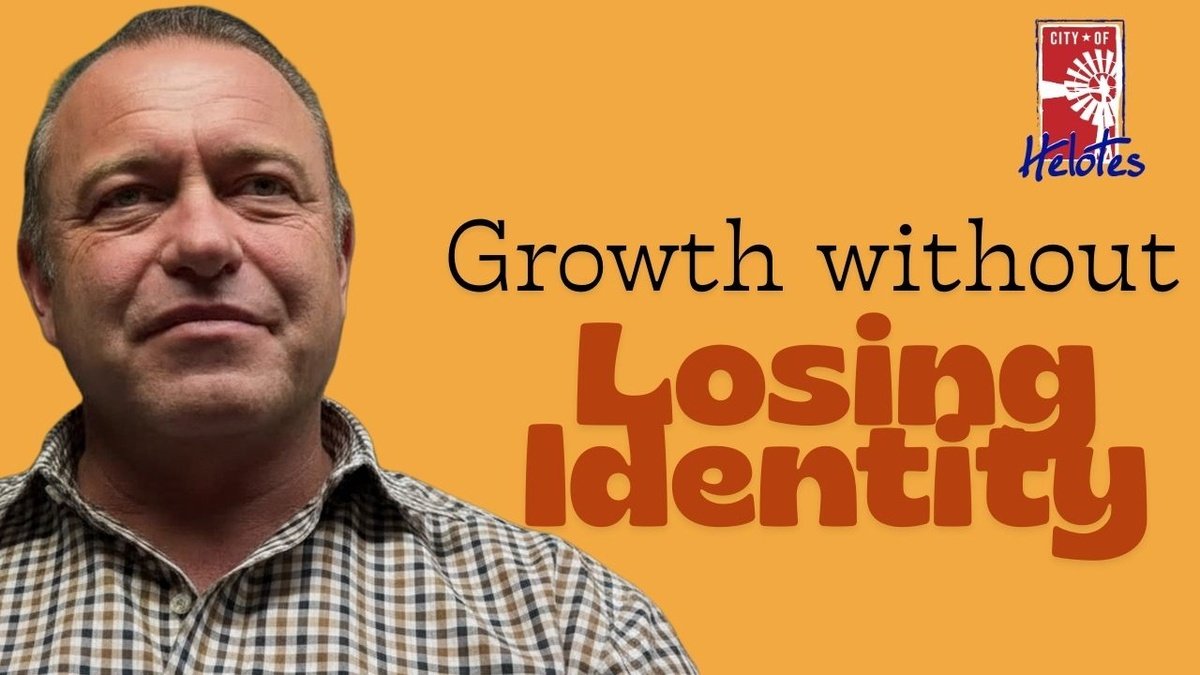
Helotes, Texas Confronts Growth Pressures With Fiscal Discipline and Community Stewardship, Says Mayor Rich Whitehead
As growth accelerates along the Texas Hill Country corridor, Helotes, Texas offers a case study in disciplined leadership. In a conversation with Mayor Rich Whitehead, The Building Texas Show explores how fiscal restraint, civic engagement, and long-term planning allow small cities to grow without losing identity.





Helotes, Texas (Newsworthy.ai) Thursday Feb 5, 2026 @ 7:43 AM CST
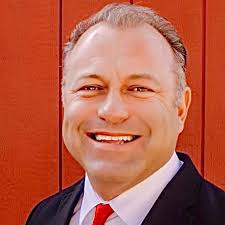
Rich Whitehead, Mayor of Helotes, Texas
Photo: Mayor Rich Whitehead
“Good doesn’t happen automatically. It requires good people to maintain good results—especially when things are going well.”
As development accelerates along the Texas Hill Country corridor, Helotes offers a case study in how small cities can grow without surrendering identity, financial stability, or civic trust.
Positioned along Highway 16 at the gateway to the Texas Hill Country—is facing a challenge increasingly common across the state: how to manage rapid growth driven by regional expansion while preserving the character, fiscal health, and social fabric that define a community. In a wide-ranging conversation on The Building Texas Show, Helotes Mayor Rich Whitehead outlined how the city is approaching those pressures with long-term planning, disciplined budgeting, and an emphasis on citizen stewardship rather than reactive governance.
Rich Whitehead, Mayor of Helotes, Texas
Photo: Mayor Rich Whitehead
“Good doesn’t happen automatically. It requires good people to maintain good results—especially when things are going well.”
Founded as an incorporated city in 1981, Helotes has deep cultural roots that predate its formal municipal status. The town gained statewide recognition decades earlier with the arrival of Floore’s Country Store, a live-music venue that continues to draw visitors from across Texas. Today, Helotes is home to roughly 13,000 residents—placing it among the largest 15 percent of municipalities in the United States—yet it continues to operate with the expectations and ethos of a small town.
Mayor Whitehead, who has served the community through multiple roles on city council before becoming mayor, described the city’s core challenge as balancing inevitability with intention. Growth, he noted, is not optional. Helotes is bordered by San Antonio to the south, development pressure to the north, and is largely landlocked by overlapping extraterritorial jurisdictions. The question, he argues, is not whether growth will occur, but whether it will be shaped deliberately or allowed to erode the community’s identity through inattention.
To that end, Helotes has pursued a strategy centered on fiscal restraint and proactive planning. Over the past several years, the city lowered its property tax rate multiple times while simultaneously expanding services and infrastructure. According to Whitehead, disciplined financial management has positioned Helotes to become debt-free within the next decade—an increasingly rare status among growing municipalities. This financial posture, he said, allows the city to negotiate from strength when working with developers rather than relying on short-term incentives to fill budget gaps.
Development within and around the city has been guided by this framework. Helotes has worked with private partners on targeted commercial and residential projects designed to serve both residents and the substantial number of travelers passing through the corridor. New investments include mixed-use commercial space, service amenities, and projects that reinforce activity in the city’s historic downtown rather than drawing it away. The goal, Whitehead explained, is to create economic flow that benefits local businesses while preserving walkability and community cohesion.
Public investment has focused heavily on quality-of-life assets. The city has expanded park facilities, enhanced pedestrian connections between historic areas, and supported community-driven initiatives such as Market Days, which draw thousands of visitors monthly. These efforts, coordinated with the Helotes Economic Development Corporation and local organizations, are intended to reinforce Helotes as a destination while maintaining its small-town sensibility.
Yet Mayor Whitehead cautioned that success brings its own risks. With city finances stabilized and services expanding, civic participation has declined. Recent municipal elections saw multiple council positions go uncontested, a trend Whitehead described as concerning for the long-term health of local governance. He emphasized that effective leadership depends not only on elected officials but on sustained citizen involvement—particularly during periods when conditions appear stable.
Whitehead urged residents across Texas to view civic engagement as an ongoing responsibility rather than a reaction to crisis. Participation, he said, can take many forms beyond elected office, including service on planning commissions, zoning boards, and advisory committees. These roles provide citizens with a deeper understanding of municipal constraints, legal frameworks, and the complexity of infrastructure and land-use decisions.
The conversation also addressed broader regional challenges, including infrastructure strain caused by uncoordinated development outside city limits. Whitehead noted that small municipalities often bear the consequences of county-level growth decisions without corresponding authority or resources, reinforcing the need for informed public discourse and realistic expectations about what local governments can control.
The episode underscores a central theme increasingly relevant to communities across the country: sustainable growth is less about expansion itself and more about governance, discipline, and civic culture. Helotes’ experience illustrates how intentional leadership, coupled with citizen accountability, can preserve local character even as external pressures intensify.
The Building Texas Show is a long-form interview series hosted by Justin McKenzie that explores the people, policies, and places shaping the future of Texas. Through conversations with civic leaders, entrepreneurs, and community builders, the show examines how cities and regions navigate growth, economic change, and identity in one of the fastest-evolving states in the nation.
Media Contact

Other Recent News for The Building Texas Show
- Fredericksburg High Students Raise $21K Launching Six Startups in INCubatoredu Debut
- From Jobsite to Pitmaster: Sloan Rinaldi's 1909 Texas BBQ Legacy
- San Marcos Buys 200 Acres to Extend Runway, Eyes Aerospace Future
- Why San Antonio Pool Buyers Are Ditching Concrete for Fiberglass
- Tuff Shed Pitches San Antonio on Ditching Paid Storage for Backyard Builds