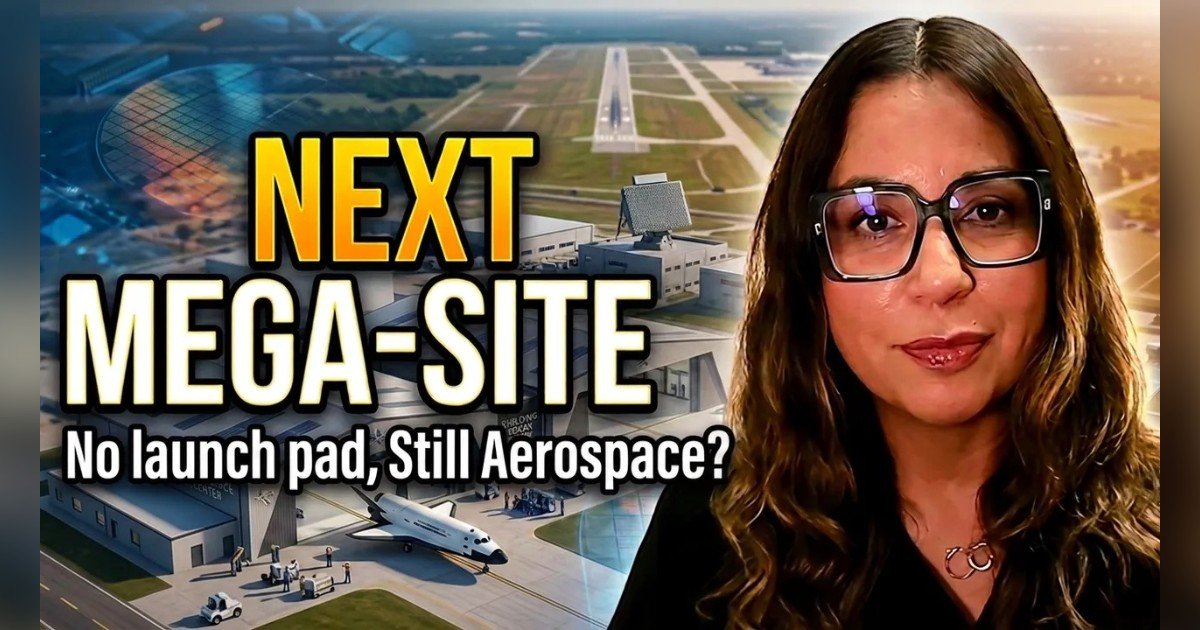
San Marcos Buys 200 Acres to Extend Runway, Eyes Aerospace Future
Helen Ramirez, Economic Development Director for the City of San Marcos, joins host Justin McKenzie to unpack the 200-acre runway expansion, the 2,000-acre Tri-Texas mega site, Berry Aviation's DoD work, and why the I-35 city is chasing aerospace intelligence, not launch pads.

San Marcos, TX (Newsworthy.ai) Monday Sep 21, 2026 @ 8:00 AM CDT
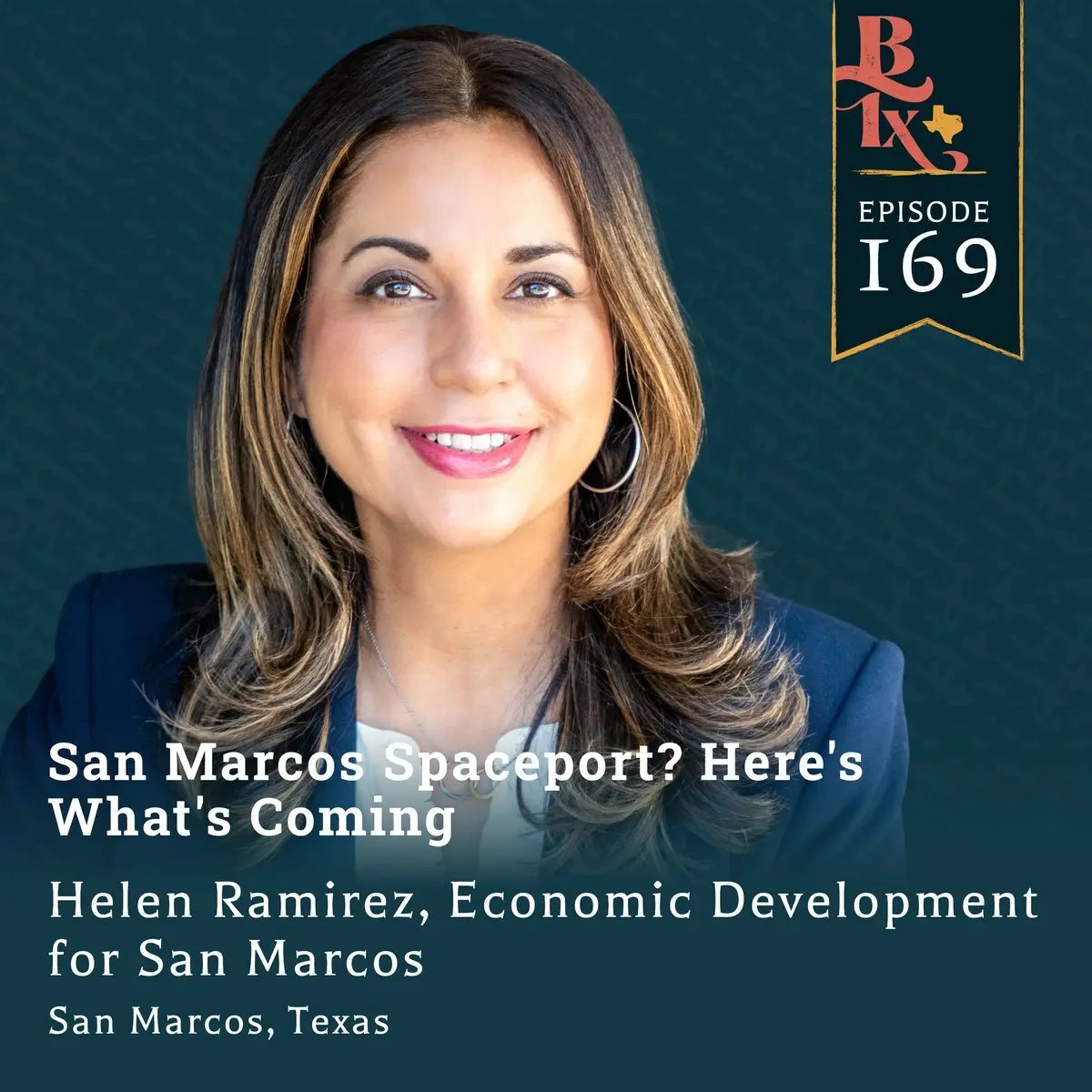
Listen on YouTube. Be Sure to subscribe.
Photo: The Building Texas Show
“San Marcos economic development director details airport expansion, TriTexas mega site and downtown hotel deal on The Building Texas Show. 200 acres were purchased from the Department of Labor to be able to extend our runway and provide commercial air service. That is the headquarters of Berry Aviation. They work for the Department of Defense.”
Helen Ramirez, economic development director for the City of San Marcos, walks host Justin McKenzie through the city's biggest active projects on this week's episode of The Building Texas Show, “San Marcos Spaceport? Here's What's Coming”: the purchase of nearly 200 acres from the U.S. Department of Labor to extend the San Marcos Regional Airport runway, the 2,000-acre TriTexas mega site next door, and the aerospace, defense and manufacturing companies moving into the college town between Austin and San Antonio.
Four threads from the episode:
Listen on YouTube. Be Sure to subscribe.
Photo: The Building Texas Show
“San Marcos economic development director details airport expansion, TriTexas mega site and downtown hotel deal on The Building Texas Show. 200 acres were purchased from the Department of Labor to be able to extend our runway and provide commercial air service. That is the headquarters of Berry Aviation. They work for the Department of Defense.”
-
TriTexas. A 2,000-acre, rail-served site next to the regional airport. Regional detention and utilities are already built, before a single tenant has signed.
-
The airport. FAA and Texas Aviation grants are funding a runway extension. The airport already has 18-plus tenants, including Berry Aviation, now owned by publicly traded Bristow Group (NYSE: VTOL).
-
Star Park. Texas State's incubator is home to the Innovation Corridor Defense Accelerator, run with Starburst Aerospace and the Hays Caldwell Economic Development Partnership.
-
The Midway Hotel. A 130-key boutique hotel is coming downtown on land Texas State donated to the project, with a minimum-wage requirement tied to inflation written into the incentive deal.
Ramirez turns the spaceport question back on itself. San Marcos isn't chasing a launch pad. “We are looking at that future of space. It is not necessarily launching rockets,” she tells McKenzie. “You can have it in Starbase, SpaceX, but that's not what we're looking for. But we can be part of the intelligence of creating that ecosystem.” Her reference point is Hawthorne, California: home to Raytheon, Boeing and Northrop Grumman. That's the side of aerospace she thinks Central Texas can build.
The numbers back up the pitch. A survey Ramirez's office ran itself, sent to 98 companies, came back with more than 90% reporting they were stable or growing and about 40% actively expanding. Epic Piping is adding 100 employees. Amazon keeps growing its footprint. Collins Aerospace, which also operates in California, told Ramirez business is better here. Nabaco, a company that came out of Texas State and went through a Rice University accelerator, now operates in Spain and still hires Texas State grad students. US Aviation trains active-duty Air Force cadets at the airport. Texas State is adding a hospitality program tied to the downtown hotel deal.
The clearest example of how the city operates: Ramirez's staff has direct access to the city's own permitting software. Texas Building Supply, on track for roughly $40 million a year in sales tax once it's fully ramped, with no incentive package attached, gets its permit questions answered in real time because her downtown manager can just look it up.
About The Building Texas Show
Justin McKenzie hosts The Building Texas Show. Each episode is one conversation with a developer, manufacturer, city official or university partner building something exciting in Texas.
Watch the full episode with Helen Ramirez now on YouTube: youtube.com/@thebuildingtexasshow
Media contact: Justin McKenzie, Email Contact
Frequently Asked Questions
- Why did San Marcos buy nearly 200 acres from the Department of Labor?
- The city acquired the land to extend the San Marcos Regional Airport runway and enable commercial air service. Ramirez says the parcel's federal ownership allowed the city to negotiate collaboratively, and San Marcos is now pursuing FAA and Texas Aviation grants and the right partnerships to fund the extension as part of its long-range airport plan.
- What is the Tri-Texas mega site and why is it unusual?
- Tri-Texas is a development of up to 2,000 acres adjacent to the San Marcos Regional Airport, brokered by Partners and served by rail. Ramirez notes it is rare because developers spent millions upfront on a major road, regional detention, and utilities before signing a first tenant, with the city providing water and wastewater to support satellite, semiconductor, and advanced manufacturing users.
- Is San Marcos actually becoming a spaceport?
- No. Ramirez says San Marcos is not pursuing rocket launch pads, pointing to Starbase and SpaceX for that role. Instead, the city wants to build the intelligence side of aerospace, modeled on the South Bay ecosystem around Hawthorne, California, which hosts Raytheon, Boeing, and Northrop Grumman.
- Who is Berry Aviation and why does it matter to the airport?
- Berry Aviation is headquartered at the San Marcos Regional Airport, performs Department of Defense work including helicopter air rescue, and was acquired by the publicly traded Bristol Group. It anchors the airport's 18-plus tenants and reinforces the defense and aerospace pipeline Ramirez says the city wants to expand around.
- What did the city's workforce survey reveal about local businesses?
- San Marcos surveyed 98 companies and received roughly 100 responses. More than 90 percent reported being stable or growing, about 40 percent said they were actively expanding, and around 7 percent needed support or reported some decline. Ramirez says the results are shaping how the city right-sizes its economic development policy for small, medium, and large employers.
- How is Texas State University partnering with the city on downtown development?
- Texas State contributed land for a new 130-key Midway Hotel boutique project downtown, with about 10,000 square feet of event space and an incentive agreement between the city and operator. The deal includes a livable minimum wage with CPI increases and is spurring Texas State's new hospitality program, which will provide paid student internships.
- What major events and openings are drawing attention to San Marcos?
- Ramirez highlights the Texas Capital Air Show at the regional airport on November 7 and 8, a Buc-ee's opening on August 12, and Texas State's move into Pac-12 competition across football, baseball, basketball, and volleyball. The city is hosting a panel to prepare local businesses for the Pac-12 economic impact.
Media Contact
Other Recent News for The Building Texas Show
- Why San Antonio Pool Buyers Are Ditching Concrete for Fiberglass
- Tuff Shed Pitches San Antonio on Ditching Paid Storage for Backyard Builds
- Revolutionizing Affordable Housing: MHarketplace Connects Communities and Services
- Behind-the-Meter Power: Why Texas Data Centers Can't Lean on the Grid
- LiftFund Launches $10K Grants for Hill Country Flood-Hit Small Businesses