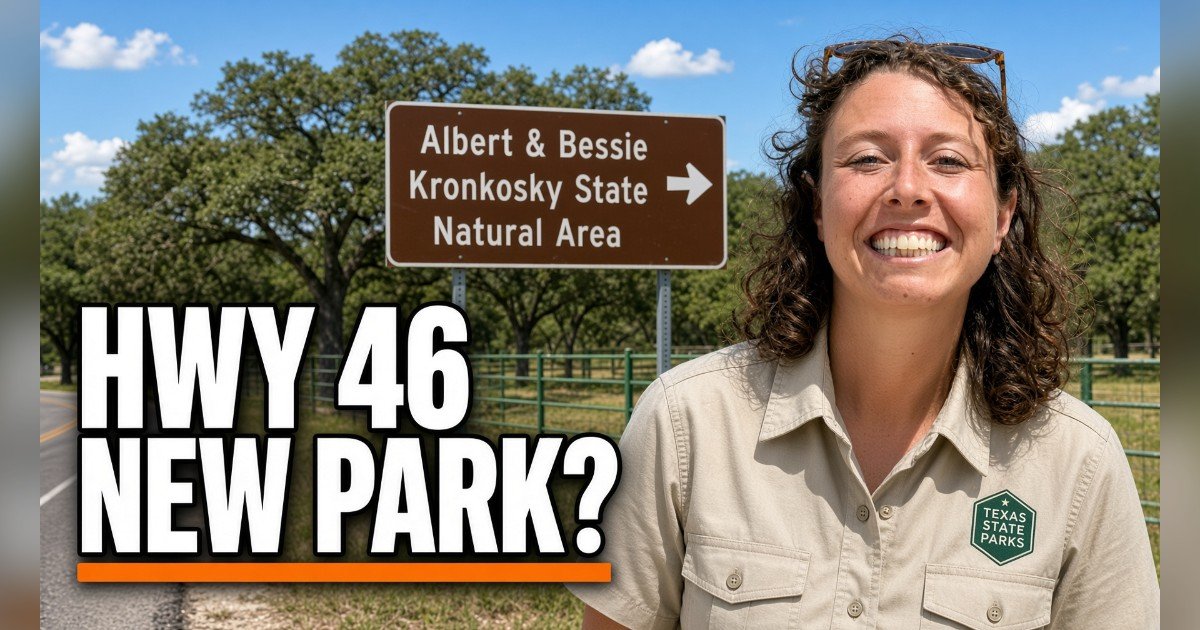
3,814-Acre Kronkosky Natural Area Targets Late Fall 2026 Opening Between Boerne and Bandera
Superintendent Stephanie Kwiatkowski joins The Building Texas Show to detail the late fall 2026 opening of the Albert & Bessie Kronkosky State Natural Area, 28 miles of trails, bigtooth maples, and why Texas Parks and Wildlife designated the 3,814-acre site a natural area, not a park.

Pipe Creek, TX (Newsworthy.ai) Friday Oct 23, 2026 @ 10:20 AM CDT
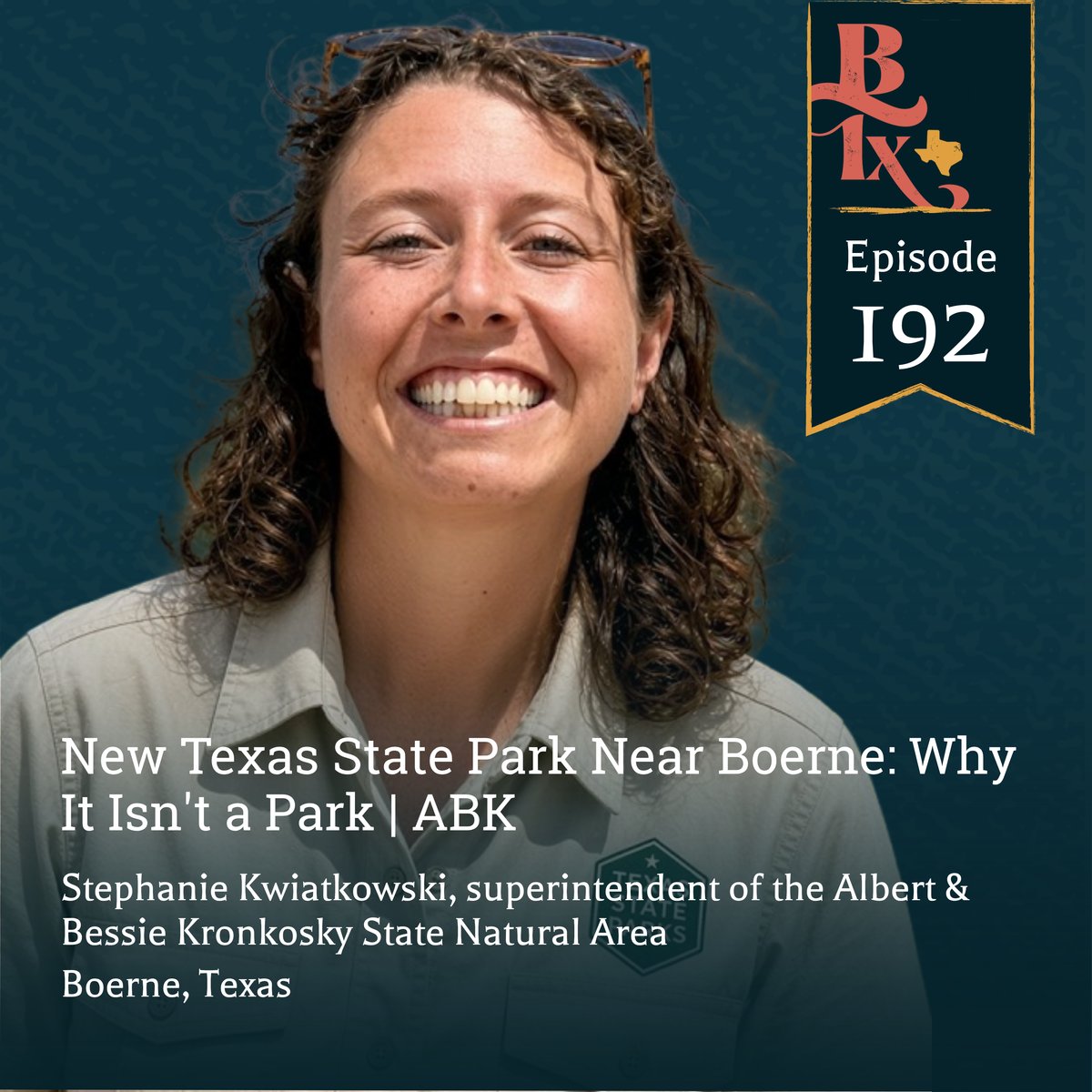
The Building Texas Show — New Texas State Park Near Boerne: Why It Isn't a Park | ABK
Photo: Justin McKenzie
“The site owns both sides of those canyons. And so that view, that viewshed, it is safeguarded for, um, forever.”
The Building Texas Show's latest episode, New Texas State Park Near Boerne: Why It Isn't a Park | ABK, hosted by Justin McKenzie and published October 21, 2026, delivers an on-the-ground preview of the Albert & Bessie Kronkosky State Natural Area (ABK), the 3,814-acre site straddling Bandera County and Kendall County along Highway 46 between Boerne and Bandera. New site superintendent Stephanie Kwiatkowski, who stepped into the role in June, explains why Texas Parks and Wildlife is targeting late fall 2026 to open the gates, and why the agency classified ABK as a state natural area rather than a state park.
The conversation is a return visit for the show, which previously hosted founding superintendent James Rice while the land was still in survey and planning. Kwiatkowski walks listeners through several specific threads:
The Building Texas Show — New Texas State Park Near Boerne: Why It Isn't a Park | ABK
Photo: Justin McKenzie
“The site owns both sides of those canyons. And so that view, that viewshed, it is safeguarded for, um, forever.”
- The legal and operational distinction between a state park and a state natural area under the Texas Admin Code, with comparisons to Government Canyon, Lost Maples, Inks Lake, and McKinney Falls.
- The 28 miles of multi-use trail open to hikers, mountain bikers, joggers, and strollers.
- Operational lessons from the July 2026 flooding event, which washed out landscaping, trails, and campsites before any public visitation.
Kwiatkowski frames the park-versus-natural-area question as a spectrum between recreation and conservation, and she is candid about the stakes of protecting the ABK viewshed. Standing in a UTV above the canyons during her first weeks on site, she described the moment this way:
"The site owns both sides of those canyons. And so that view, that viewshed, it is safeguarded for, um, forever."
She also credits the volunteer corps assembled by James Rice, a former biologist, calling the relationships "integral to our success as a site."
The episode digs into the ecological specifics that justify ABK's protective designation: bigtooth maples that rival those at Lost Maples State Natural Area, the riparian corridors along Red Bluff Creek and Pipe Creek, and the transition zones between ash juniper woodlands and creek bottoms. Kwiatkowski traces her own path from a childhood of camping in a pop-up trailer, through an environmental science degree with a minor in environmental sociology, GIS and consulting work, a formative seasonal job with the City of New Braunfels parks, the park operations trainee role at the Lost Pines Complex (Bastrop and Buescher State Parks), and an assistant superintendent stint at Pedernales Falls State Park before her June promotion. Construction crews, subcontractors, and a six-person site team are now preparing cabins, screened shelters, tent sites, backcountry camping, and hike-and-bike infrastructure for public access.
About The Building Texas Show
The Building Texas Show, hosted by Justin McKenzie, spotlights the people, places, and projects shaping Texas communities, from Hill Country conservation to small-business entrepreneurship. New episodes publish weekly across YouTube, Facebook, Instagram, and LinkedIn, with sponsorship support from Chisos Boots. The ABK episode is available now wherever podcasts are heard.
Frequently Asked Questions
- Why is the Albert & Bessie Kronkosky site classified as a state natural area instead of a state park?
- Kwiatkowski explains that while both fall under the Texas Parks and Wildlife State Parks Division, natural areas sit further toward the conservation end of a spectrum, with parks typically leaning toward recreation. The Texas Admin Code ties the natural area designation to unique species or features warranting extra protection, which ABK's sensitive habitats qualify for, prompting a smaller, more centrally located development footprint.
- When will ABK open to the public and what will visitors find there?
- Texas Parks and Wildlife is targeting late fall 2026, with no exact date posted. Visitors will have access to 28 miles of multi-use trail for hiking, mountain biking, jogging, and strollers, plus cabins, screened shelters, tent sites, and backcountry camping across the 3,814-acre site along Highway 46 between Boerne and Bandera.
- Who is Stephanie Kwiatkowski and how did she arrive at ABK?
- Kwiatkowski is the new ABK superintendent, promoted into the role in June 2026. She holds an environmental science degree with a minor in environmental sociology, worked in GIS and consulting, then served seasonally with City of New Braunfels parks, as park operations trainee at the Lost Pines Complex (Bastrop and Buescher), and as assistant superintendent at Pedernales Falls State Park.
- How did the July 2026 flooding event affect ABK before opening?
- The flood washed out landscaping, eroded trails, and damaged campsites and roads. Kwiatkowski called it a silver lining because it happened before public visitation, letting staff observe how water moves across the site, update emergency plans, and reconsider campsite placement without any public safety incidents, since ABK has no historical operational data to draw on.
- What ecological features make ABK worth protecting?
- ABK contains bigtooth maples Kwiatkowski says may rival those at Lost Maples, riparian corridors along Red Bluff Creek and Pipe Creek, and transition zones between ash juniper woodlands and creek bottoms. The site owns both sides of its canyons, permanently safeguarding the viewshed and sheltering species of conservation concern that justified the natural area designation.
- What role did volunteers play in getting ABK ready to open?
- When James Rice was the sole staff member on nearly 4,000 acres, he recruited community volunteers—including former professors and scientists, plus others who learned surveying on the job—to help gather baseline data. Kwiatkowski called those relationships integral to the site's success and expects volunteers to transition into interpretation and public-facing education once the gates open.
Media Contact

Other Recent News for The Building Texas Show
- Gracchus Partners Launches The Growth Sequence, With One Growth Leader in Place of CMO, CRO and CCO
- Beyond the Integration Tax: The idhubs Team is Rewiring the Business Operating System for the AI Era
- Fredericksburg High Students Raise $21K Launching Six Startups in INCubatoredu Debut
- From Jobsite to Pitmaster: Sloan Rinaldi's 1909 Texas BBQ Legacy
- San Marcos Buys 200 Acres to Extend Runway, Eyes Aerospace Future